
Thailand Group Tours
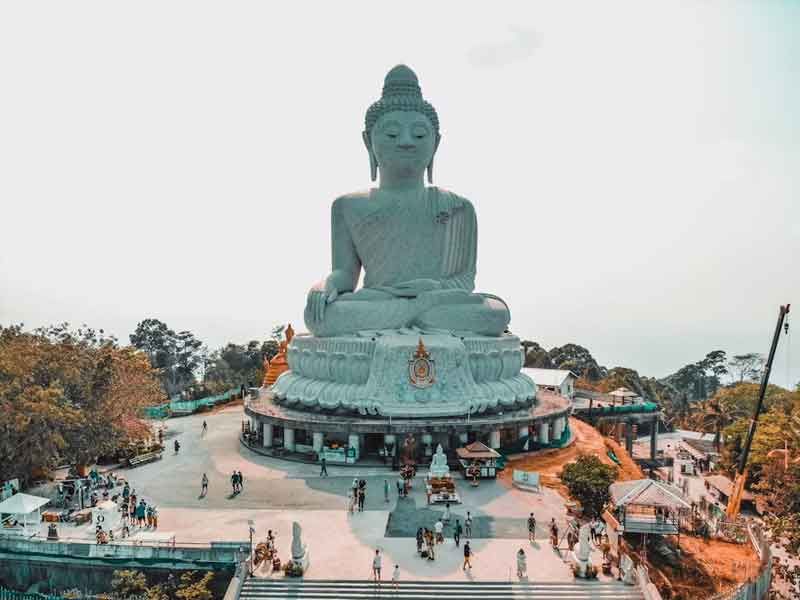
Renowned worldwide for its vibrant cuisine, you’re probably already familiar with the distinct flavors of Thailand. In Bangkok, the scent of irresistible street food will beckon you from every corner, with market stalls offering everything from crispy fried bananas to steaming bowls of noodles.
Nestled along the Chao Phraya River, the bustling city of Bangkok might first strike you with its sleek skyscrapers and fast-paced vibe. Yet, tucked away in hidden corners, Old Bangkok still shines through, found in its gleaming temples, quiet lanes, and traditional storefronts.
Thailand at a glance
Bangkok
21 million
Thai Baht (THB)
Thai
+66
Type A, B & C plugs
Indochina Time (ICT, UTC+7)
Our Thailand tours and holidays
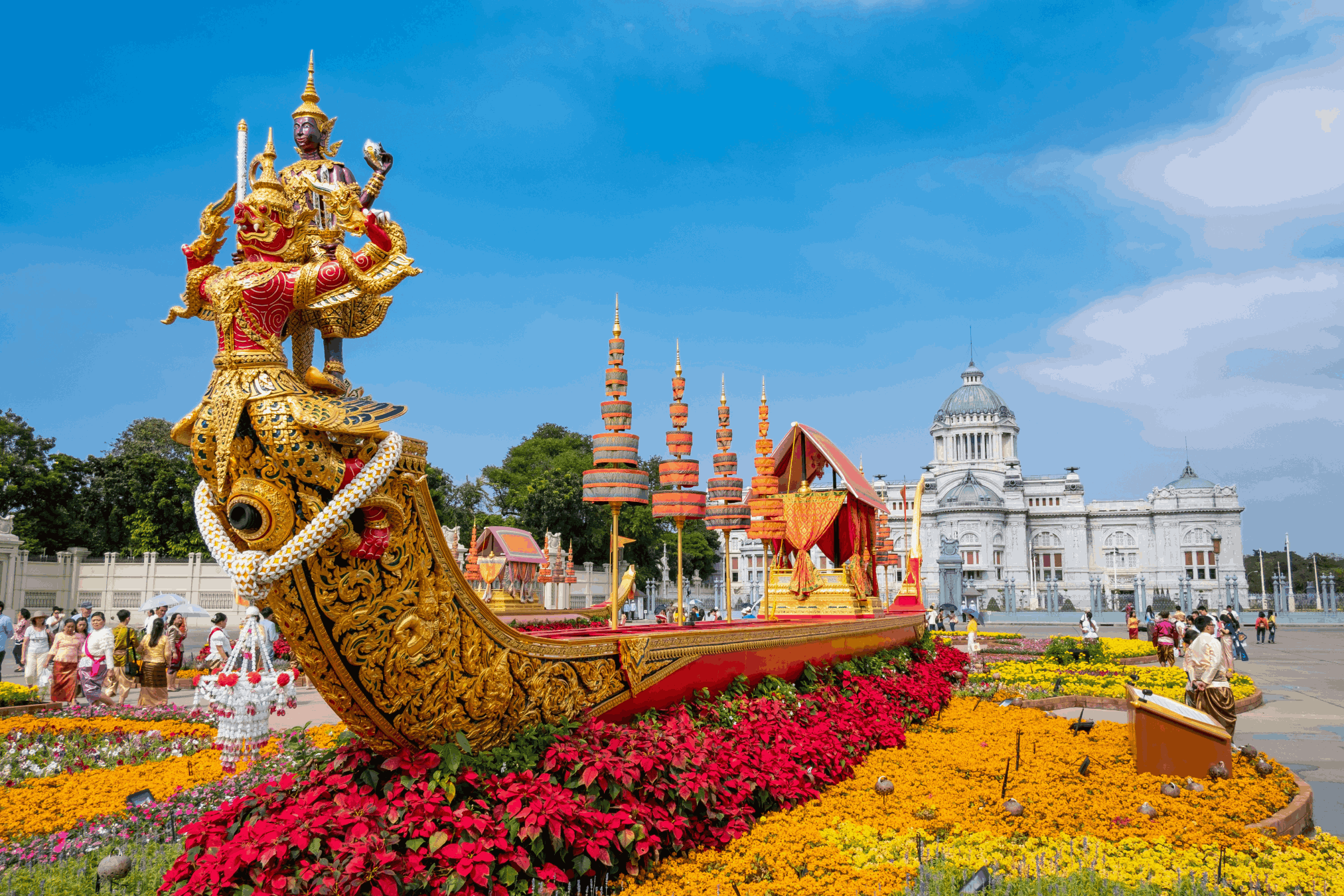
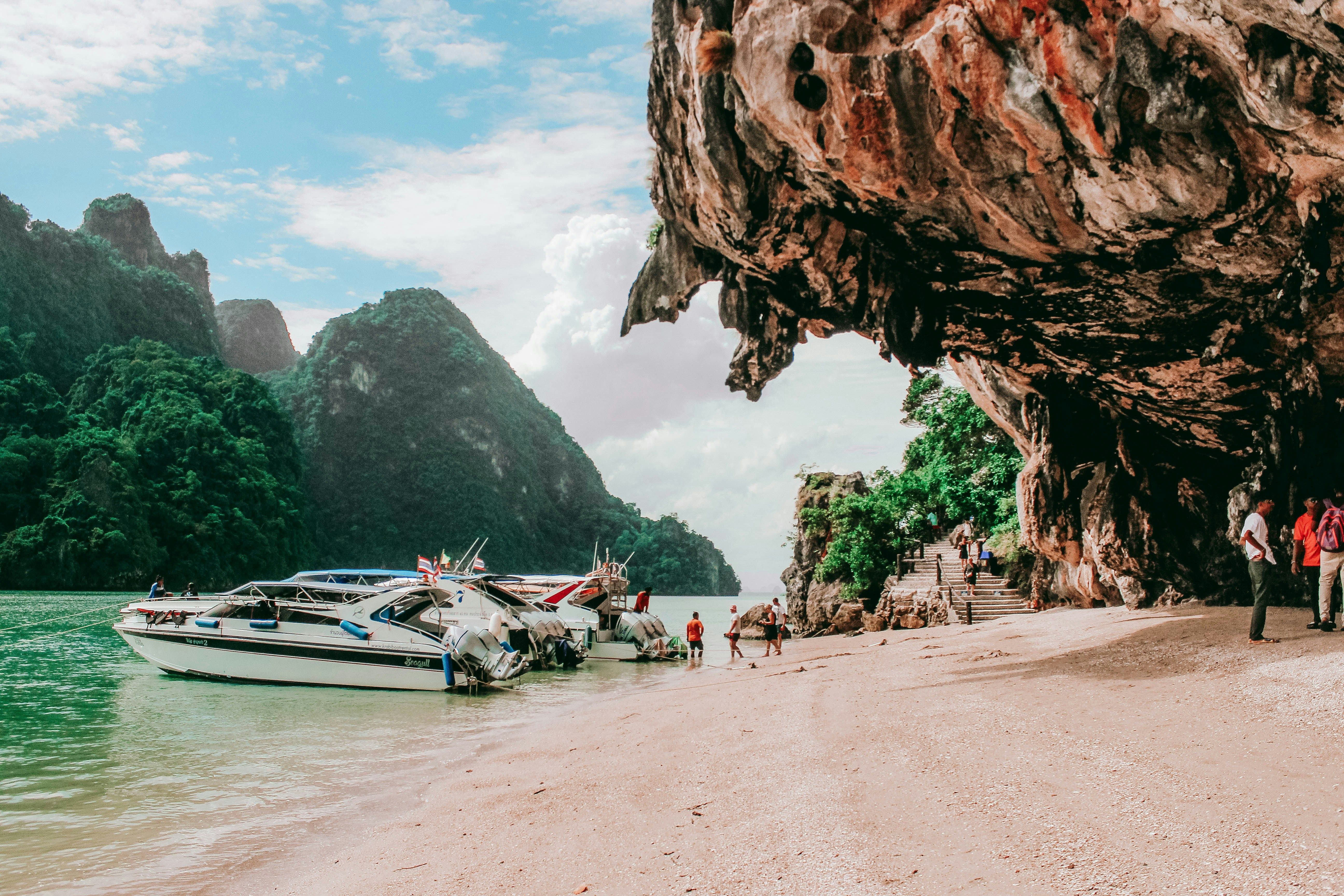
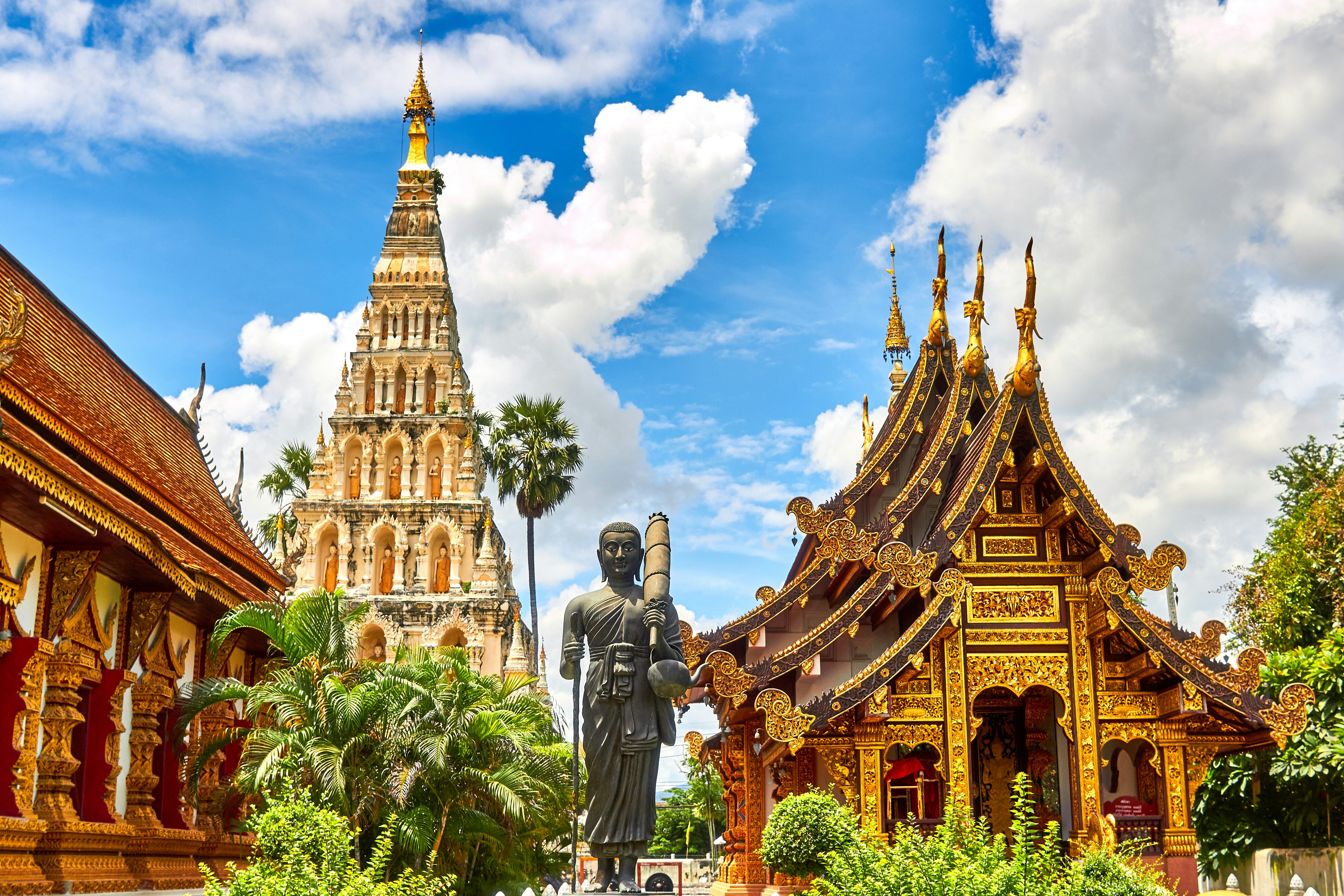
Learn more about Thailand
The best time to visit Thailand is from November to February, during the cool and dry season, perfect for exploring beaches, temples, and cities. The weather is more comfortable with lower humidity, making it ideal for outdoor activities. March to May is the hot season, with high temperatures, while the rainy season from June to October brings heavy showers, though it’s less crowded and offers lush landscapes.
A stay of 7 to 10 days is ideal to explore Thailand's major attractions, including Bangkok, Chiang Mai, Phuket, and the islands like Koh Samui or Koh Phi Phi.
Thailand offers a range of services such as car rentals, taxis, tuk-tuks, ride-hailing apps like Grab, buses, and domestic flights. Accommodation options include guesthouses, boutique hotels, luxury resorts, and eco-lodges. ATMs, currency exchange, SIM card providers, wellness centers, medical facilities, and dive shops are readily available.
Thailand’s culture is deeply rooted in Buddhist traditions, and its history dates back to the ancient Kingdom of Sukhothai and Ayutthaya. After centuries of war and dynastic changes, Thailand became a unified kingdom. The country is renowned for its temples, festivals like Songkran (Thai New Year), and the vibrant arts scene. The monarchy is a central institution, and respect for the king is integral to Thai culture. Thai food, music, and dance are expressions of the country’s diverse influences, from indigenous customs to Indian, Chinese, and Western influences.
ATMs are widely available in cities and major tourist areas. Visa and MasterCard are accepted at larger hotels, restaurants, and stores, but cash is necessary for smaller vendors, markets, and taxis. The Thai Baht (THB) is the local currency. Currency exchange is available at banks, currency exchange booths, and airports.
- Pad Thai: Stir-fried rice noodles with shrimp or chicken, tofu, peanuts, and lime.
- Tom Yum Goong: A spicy and sour shrimp soup with lemongrass, kaffir lime leaves, and chili.
- Green Curry: A flavorful coconut-based curry with vegetables and meat (usually chicken or beef).
- Som Tum: A spicy green papaya salad made with chili, lime, peanuts, and fish sauce.
- Mango Sticky Rice: A sweet dessert made with ripe mango and sticky rice topped with coconut milk.
Thailand FAQs
Do I need a visa to travel to Thailand?
Many nationalities can visit Thailand for up to 30 days without a visa. If staying longer, you will need to apply for a visa. It's always best to check with the Thai consulate before traveling.
Do I need to purchase travel insurance before traveling?
Yes, it is highly recommended to have travel insurance before your trip. This will cover unexpected medical emergencies, lost luggage, or other travel disruptions.
Is tipping customary in Thailand?
Tipping is appreciated but not mandatory in Thailand. A small tip for good service in restaurants, taxis, or for guides is customary (around 20-50 baht).
Can I drink the water in Thailand?
It is advisable not to drink tap water in Thailand. Stick to bottled or filtered water to avoid stomach issues.
What is internet access like in Thailand?
Internet access is widely available in major cities and most tourist areas. Free Wi-Fi is common in hotels, cafes, and restaurants.
Can I use my mobile in Thailand?
Mobile coverage is excellent in cities and tourist areas. Prepaid SIM cards are readily available at the airport or local stores.
How do I stay safe and healthy while traveling?
Thailand is generally safe, but as with any destination, stay aware of your surroundings, especially in crowded areas. Drink bottled water and be cautious with street food.
Are trips accessible for travelers with disabilities?
Thailand has made some progress in accessibility, but many older sites and infrastructure may not be fully accessible. It’s advisable to discuss your specific needs in advance.