
Germany Group Tours
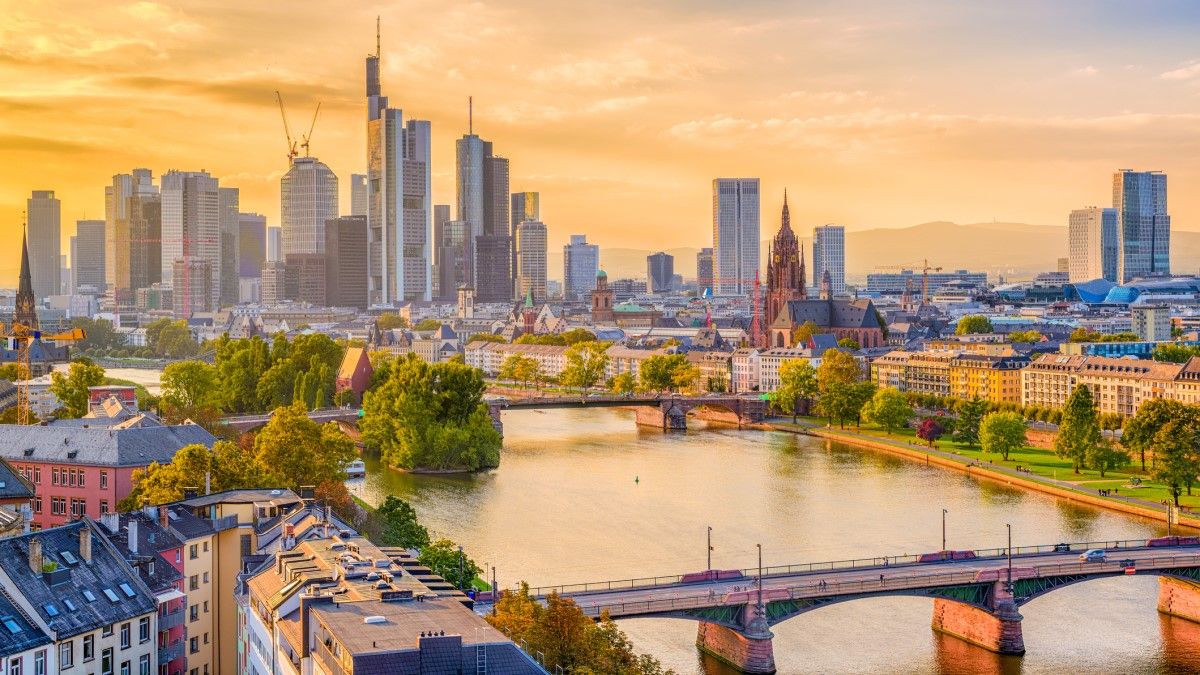
Germany is one of Europe’s most well-rounded and accessible travel destinations, offering a balanced mix of major global cities, historic towns, scenic countryside, and cultural landmarks. Travelers can experience everything from modern urban centers like Berlin and Munich to fairytale villages, river valleys, alpine regions, and castle-dotted landscapes.
What makes Germany especially appealing is how efficiently these different experiences connect. Visitors can move seamlessly between cultural hubs, historical sites, and nature-focused regions using a strong transport network, allowing for flexible and multi-stop itineraries. Whether focused on history, architecture, food, festivals, or scenic exploration, Germany provides a highly structured yet diverse travel experience that works well for both first-time visitors and repeat travelers.
The country’s regional variation is also a major strength, with each area offering distinct traditions, cuisine, and atmosphere from Bavaria’s alpine charm to the Rhine Valley’s vineyards and northern Germany’s maritime influence making it rewarding to explore in depth over multiple trips or a longer stay.
Germany at a glance
Berlin
84 million
Euro (EUR)
German
+49
Type C & F plugs
Central European Time (CET, UTC+1)
Our Germany tours and holidays
Learn more about Germany
Germany is a year-round destination, but the most straightforward and popular travel period runs from May to September, when the weather is warm and ideal for sightseeing, outdoor activities, and festivals. December is also a standout period due to the country’s famous Christmas markets, while spring and early autumn offer fewer crowds and comfortable conditions.
10 to 14 days is a strong recommendation for Germany, as it allows travelers to combine major cities like Berlin and Munich with smaller towns, scenic regions such as the Rhine Valley or Bavarian Alps, and cultural or historical sites. Shorter trips can focus on one or two regions, but a longer stay provides a more complete understanding of the country’s diversity and regional character.
Germany offers one of the most developed tourism infrastructures in Europe, with a wide range of accommodation options including hotels, hostels, boutique stays, and serviced apartments. Transportation is highly efficient, with an extensive rail network, domestic and international flights, long-distance buses, and well-maintained highways for car travel.
Travelers can easily access guided tours, museum passes, walking tours, and regional excursions in major cities and tourist areas. Booking services are widely available online, and public transportation within cities is reliable and easy to navigate. Germany is particularly well-suited for independent travel due to its organization, safety, and connectivity, making it simple to plan anything from a single-city visit to a complex, multi-destination itinerary.
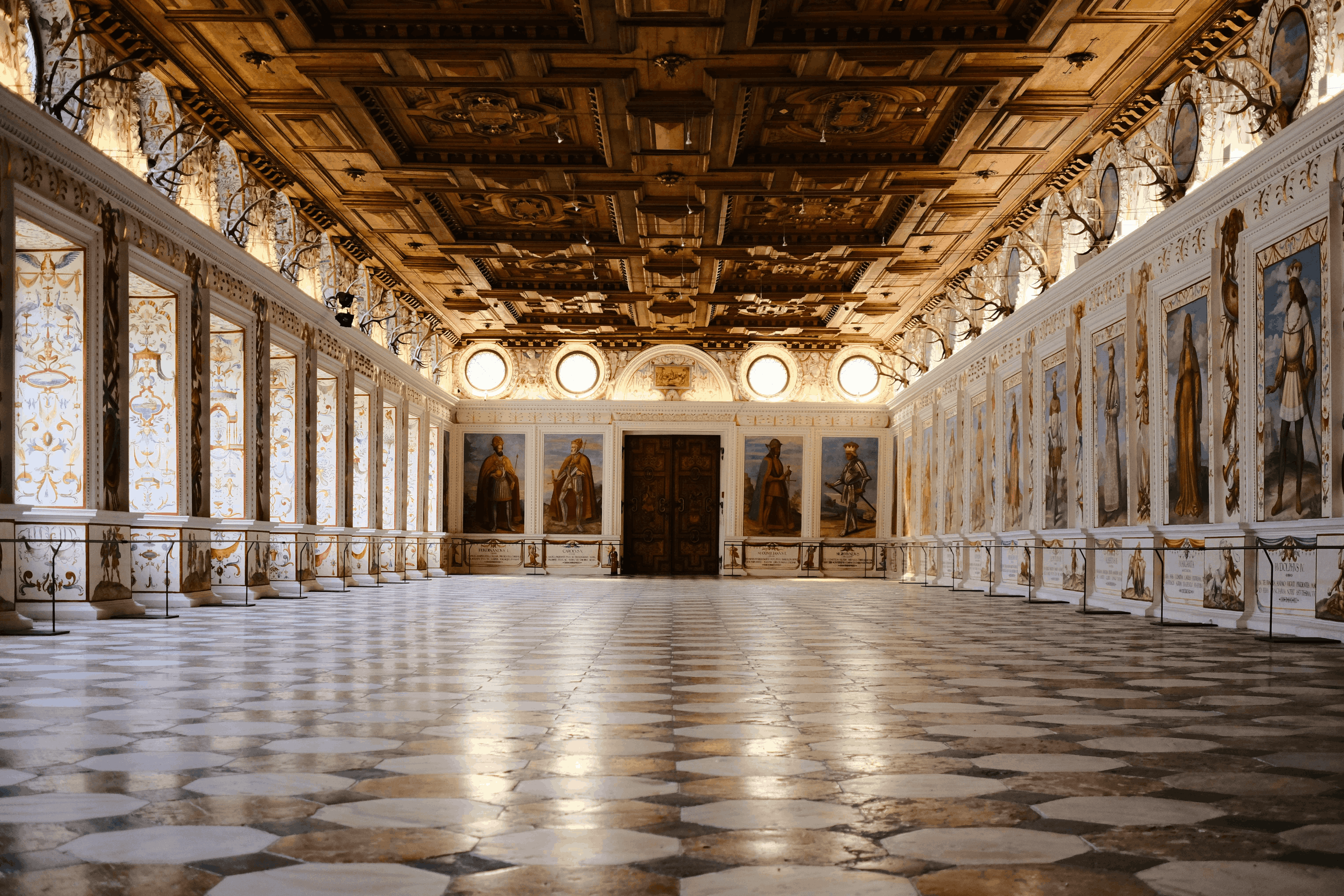
Germany’s history is deeply layered, shaped by medieval kingdoms, the Holy Roman Empire, industrialization, and major 20th-century events such as World War I, World War II, and the Cold War. Today, this history is visible across the country through preserved old towns, castles, memorials, museums, and modern architecture that reflects both destruction and renewal.
Culturally, Germany blends tradition with innovation. Visitors experience this through regional festivals like Oktoberfest, classical music heritage linked to composers such as Beethoven and Bach, and strong traditions in art, literature, and philosophy. At the same time, cities like Berlin showcase a modern, creative energy with thriving art scenes and contemporary culture.
Regional identity plays a significant role, with different areas maintaining unique customs, dialects, and cuisines. German food varies widely, but notable dishes include bratwurst, schnitzel, pretzels, sauerkraut, and regional specialties paired with beer or wine, reflecting the country’s strong culinary traditions.
The official currency in Germany is the Euro (EUR), and it is widely used across all regions. While card payments are increasingly common in cities, restaurants, and hotels, Germany is still known for being more cash-oriented than some other European countries, especially in smaller towns, local shops, and traditional establishments, so carrying some cash is recommended for daily use.
ATMs are widely available, and banks or exchange offices can be found in major cities and transport hubs. Contactless payments are accepted in most urban areas, but travelers should not rely entirely on cards. Tipping is customary but modest, typically around 5% to 10% in restaurants, often rounded up rather than left separately.
Bratwurst, Schnitzel, Pretzels, Sauerkraut, Currywurst, Black Forest Cake
Germany FAQs
Do I Need a Visa to Travel to Germany? Germany is part of the Schengen Area. Travelers from the EU, UK, US, Canada, Australia, and many other countries can visit visa-free for up to 90 days within a 180-day period. Always confirm requirements before travel.
Is Tipping Customary in Germany? Yes. Tipping is customary but modest, typically around 5–10% in restaurants, often by rounding up the bill.
What Is the Internet Access Like in Germany? Internet access is widely available, though speeds and availability may vary slightly in smaller towns. Most hotels, cafes, and public areas offer Wi-Fi.
Can I Drink the Water in Germany? Yes. Tap water is safe and of high quality across the country.
Are Credit Cards Widely Accepted? Cards are accepted in most urban areas, but Germany still relies heavily on cash, especially in smaller shops, restaurants, and rural areas.
Do I Need Travel Insurance? Travel insurance is not mandatory for all travelers but is strongly recommended. It may be required for visa applicants.