
Tunisia Group Tours
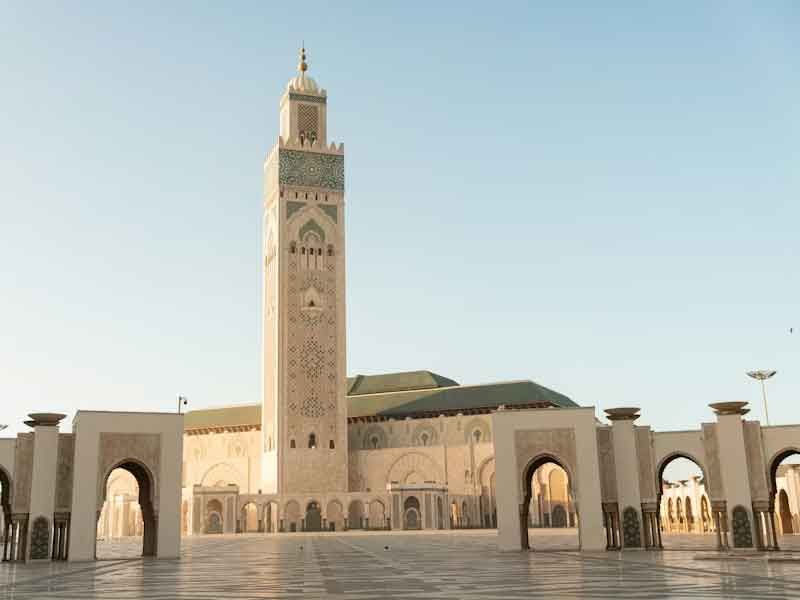
Tunisia is a captivating blend of North African culture and Mediterranean elegance. Explore ancient Carthage, the stunning Bardo Museum, and the white-washed seaside town of Sidi Bou Said. Wander souks, sip mint tea in courtyards, and roam the ruins of Roman amphitheaters. For something truly otherworldly, head to the Sahara, where Star Wars filming locations and Berber villages await. Tunisia offers a unique mix of history, hospitality, and beachside bliss all wrapped in warm, golden sunlight.
Tunisia at a glance
Tunis
12.5 million
Tunisian Dinar (TND)
Arabic
+216
Type C & E plugs
Western European Time (WET, UTC+0)
Learn more about Tunisia
The best time to visit Tunisia is during the spring (March to May) and autumn (September to November). During these months, the weather is pleasantly warm, making it ideal for exploring historical sites, relaxing on Mediterranean beaches, or wandering through bustling souks without the intense heat of summer. These shoulder seasons also offer fewer crowds and more comfortable conditions for desert excursions to places like the Sahara or the ancient city of Douz. Summer (June to August) can be very hot, especially inland and in the south, while winter is mild but can be rainy in the north.
A 7 to 10-day trip is ideal for exploring Tunisia’s key highlights. This allows time to visit historic sites like Carthage and El Djem, relax on Mediterranean beaches, explore the medinas of Tunis and Sousse, and venture into the Sahara for a desert experience. If you're short on time, a 4–5 day itinerary can still cover major attractions near the capital.
Tunisia offers a range of travel services to suit different budgets and travel styles. Car rental is widely available in major cities like Tunis, Sousse, and Hammamet, with both international and local agencies offering daily and long-term rentals. Public transportation options include buses, louages (shared taxis), and trains for intercity travel. Taxis are common and inexpensive within cities. Accommodation ranges from budget-friendly guesthouses and hostels to mid-range hotels and luxurious resorts, especially in coastal areas. Guided tours, both private and group, are offered for historical sites like Carthage, El Djem, and the medinas. Other services include airport transfers, Wi-Fi access, currency exchange, and tourist information centers in popular destinations.
Tunisia boasts a rich history shaped by ancient civilizations and diverse cultural influences. Once home to the powerful Carthaginian Empire, it later became a part of the Roman, Byzantine, and Ottoman empires, leaving behind stunning ruins like Carthage, El Djem amphitheater, and Dougga. Arab-Muslim culture has deeply influenced Tunisian identity since the 7th century, and today, the country blends Islamic traditions with Mediterranean and European elements, especially from its French colonial period. Tunisia is known for its vibrant souks, historic medinas, traditional music and dance, and a growing contemporary arts scene. Its culture reflects a dynamic fusion of old and new, with deep respect for heritage and an eye toward modernity.
In Tunisia, the official currency is the Tunisian Dinar (TND). It's a closed currency, meaning you can’t legally import or export it, so it’s best to exchange money upon arrival at airports, banks, or authorized exchange offices. ATMs are widely available in cities and tourist areas and typically offer good exchange rates. Credit and debit cards are accepted in major hotels, restaurants, and shops, but cash is essential for markets, small vendors, and rural areas. It's advisable to keep receipts when exchanging money, as you may need them if you want to convert dinars back before leaving the country. Tipping is common, and having small bills on hand is useful for this and everyday purchases.
Couscous – Steamed semolina grains served with lamb, fish, or vegetables in a spicy tomato-based sauce; a national staple.
Brik – A thin, crispy pastry filled with egg, tuna, or minced meat; usually deep-fried and served as street food or an appetizer.Harissa – A hot chili paste made from red peppers, garlic, and spices; used to add heat and flavor to many dishes.
Lablabi – A hearty soup made with chickpeas, flavored with cumin, garlic, and lemon; often eaten with crusty bread and popular in colder weather.
Makroud – A semolina-based pastry stuffed with dates or figs and soaked in honey; a traditional sweet treat.
Tunisia FAQs
Do I need a visa to travel to Tunisia? Whether you need a visa depends on your nationality. Citizens of many countries, including the United States, Canada, the United Kingdom, most EU nations, and several others, can enter Tunisia without a visa for short stays, typically up to 90 days. Travelers must have a valid passport (generally with at least six months’ validity beyond arrival), proof of onward or return travel, and sufficient funds. For longer stays or purposes like work or study, a visa may be required. It’s always best to check with the nearest Tunisian embassy or consulate for the latest entry requirements based on your nationality. Do I need to purchase travel insurance before traveling?
Yes. Travel insurance is highly recommended for all visitors. It can cover unexpected events like medical emergencies, lost luggage, trip cancellations, or delays. While Tunisia offers modern healthcare in major cities, having insurance gives travelers peace of mind and financial protection in case of any issues during the trip. Is tipping customary in Tunisia? Yes, tipping (locally referred to as “pourboire”) is customary and appreciated, although not mandatory. In restaurants, a tip of 10–15% is standard if a service charge hasn’t already been added. Hotel staff, taxi drivers, and local guides typically receive small tips of 1–5 Tunisian dinars depending on the service. It’s useful to carry small denominations for this purpose.
Can I drink the water in Tunisia? Tap water in Tunisia is generally safe to drink in major cities, but travelers are advised to stick to bottled or filtered water to avoid any potential stomach issues, especially in rural areas. Bottled water is inexpensive and widely available throughout the country.
What is the internet access like in Tunisia?
Internet access in Tunisia is widely available in cities such as Tunis, Sousse, and Hammamet. Most hotels, cafes, and restaurants offer free Wi-Fi. While coverage in rural areas may be less reliable, mobile internet from providers like Ooredoo, Tunisie Telecom, and Orange is generally dependable across the country. Can I use my mobile in Tunisia?
Yes, mobile phone coverage is strong in urban areas and along the coast. Local providers such as Tunisie Telecom, Ooredoo, and Orange offer affordable prepaid SIM cards and data packages. If you plan to use your home carrier, ensure that international roaming is enabled before departure. In remote or desert areas, coverage may be limited.
How do I stay safe and healthy while traveling?
Tunisia is generally safe for tourists, but standard precautions apply. Stay alert in crowded areas, avoid isolated places at night, and keep valuables secure. To stay healthy, drink bottled water, use sunscreen, and be mindful when eating street food. Check your government’s travel advisory before departure for the latest safety information. Are trips accessible for travelers with disabilities? Tunisia is gradually improving accessibility, particularly in newer hotels and some public areas. However, older medinas and archaeological sites may pose challenges due to uneven ground and limited facilities. Travelers with specific needs should contact their tour provider in advance to ensure appropriate accommodations and support.