Jamaica Group Tours
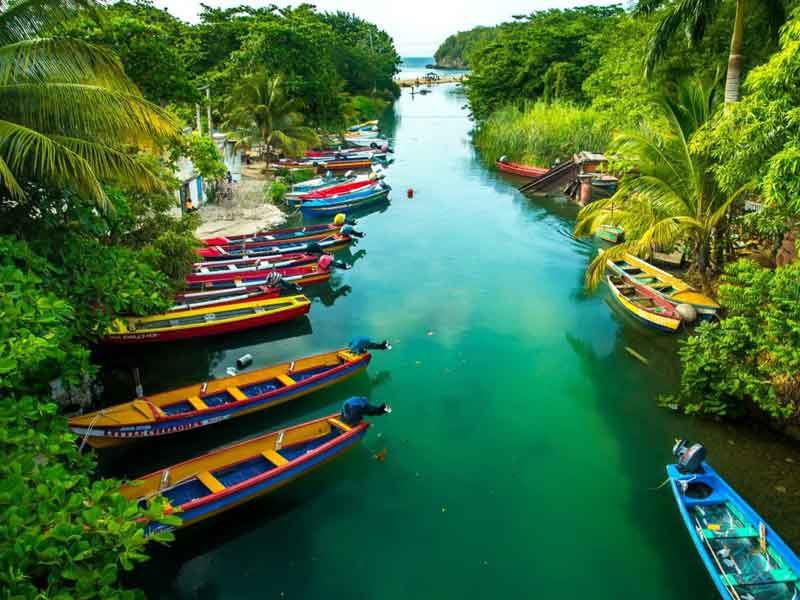
Jamaica moves to its beat, and it’s one you’ll never forget. The birthplace of reggae, jerk cuisine, and Bob Marley, this island blends bold culture with natural beauty. Chase waterfalls at Dunn’s River Falls, raft down the Rio Grande, or relax on the white sands of Negril. Explore the Blue Mountains for coffee tours and panoramic views, or vibe with the locals in Kingston. Jamaica is more than a destination, it’s a feeling. Irie all the way.
Jamaica at a glance
Kingston
2.84 million
Jamaican Dollar (JMD)
English
+1-876
Type A & B plugs
Eastern Standard Time (GMT-5)
Our Jamaica tours and holidays
Learn more about Jamaica
The best time to visit Jamaica is during its dry season, which runs from November to mid-December and January to April. This period offers the most pleasant weather with sunny, warm days and cooler evenings, making it perfect for beach activities, sightseeing, and outdoor adventures. The island experiences lower humidity and less rain, so it's ideal for enjoying Jamaica’s natural beauty, including its beaches, waterfalls, and hiking trails. Additionally, the dry season avoids the hurricane season (June to November), which can bring storms to the Caribbean. While the island can be busy and more expensive during the holidays (Christmas, New Year) and Spring Break (March and April), these months still offer the best conditions overall for a tropical getaway. For fewer crowds and better deals, the shoulder months of November and early December are also great times to visit.
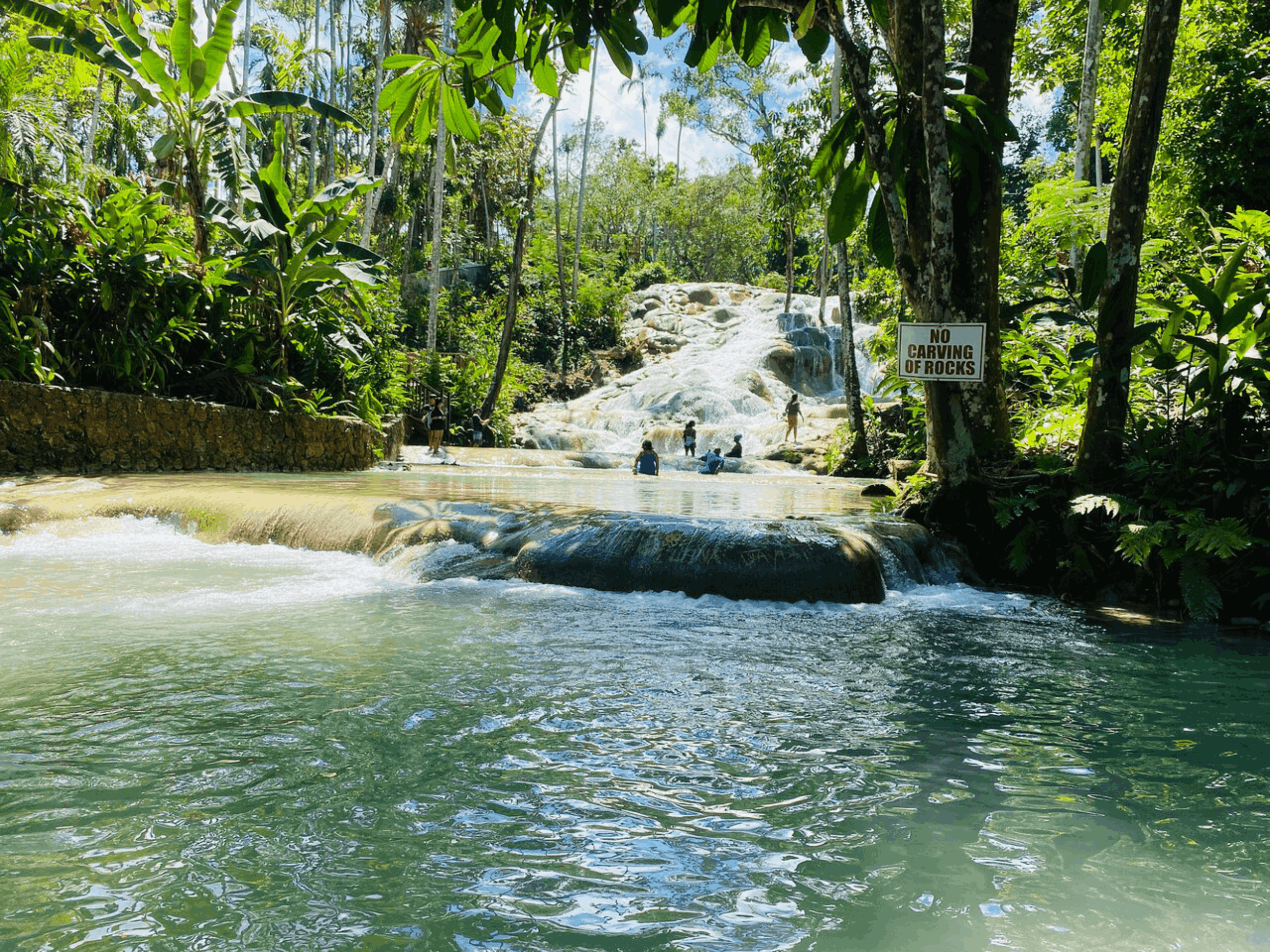
A stay of 5 to 7 days is ideal for St. Lucia. This allows time to unwind on the beaches, visit Dunn's River Falls, visit Bob Marley's Museum, and enjoy the island's cultural and culinary offerings.
Jamaica provides a range of services for travelers, including car rentals, private drivers, taxis, water taxis, and ferry services. There are guesthouses, boutique hotels, luxury resorts, eco-lodges, and vacation rentals throughout the island. Additional services include tour operators, spa and wellness centers, mobile SIM card vendors, ATMs, currency exchange, and medical clinics.
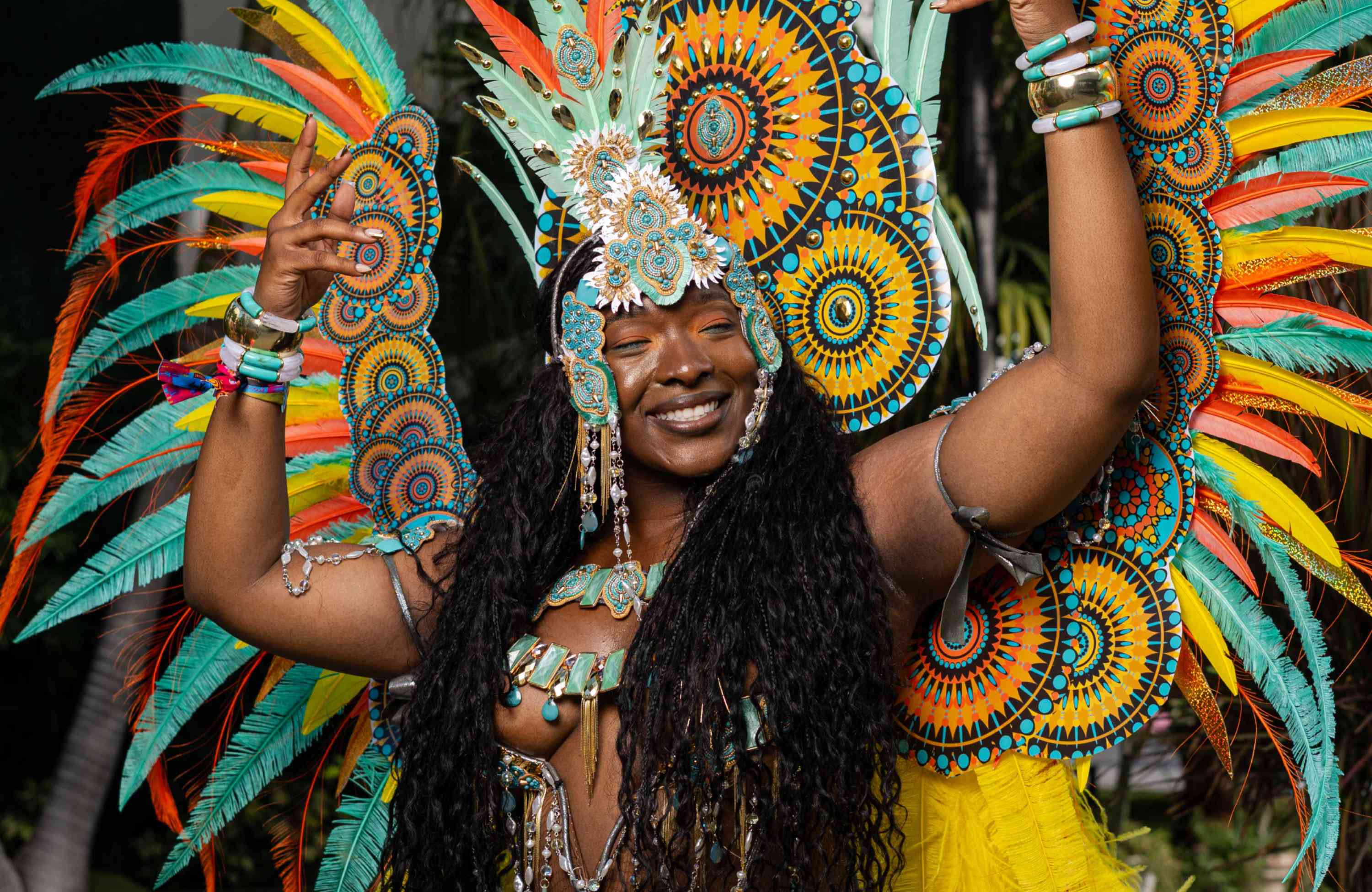
Jamaica’s history and culture are deeply shaped by a rich tapestry of Indigenous, African, European, and Asian influences. Originally inhabited by the Arawak and Taíno peoples, the island was colonized by the Spanish in the early 16th century and later seized by the British in 1655. Under British rule, enslaved Africans were brought to work on sugar plantations, profoundly shaping Jamaica’s cultural, social, and economic landscape. After gaining independence in 1962, Jamaica developed a vibrant identity, particularly through its music scene, notably reggae, ska, and dancehall, with icons like Bob Marley bringing global recognition to the island. Jamaican culture celebrates its African heritage, along with British colonial legacies, and the contributions of Indian and Chinese communities, especially seen in food, religion, and festivals like Emancipation Day and Carnival. Known for its resilience, unity, and pride, Jamaican culture is a dynamic blend of influences that is reflected in its art, dance, and language (Patois) and daily life.
You’ll find ATMs widely available in Jamaica's major cities, airports, and tourist areas, and most banks accept international cards like Visa and MasterCard. However, if you're heading to more remote villages or beaches, access to ATMs may be limited. Credit cards are generally accepted at large hotels, restaurants, and supermarkets, but smaller vendors, food stalls, and taxis often prefer cash, so it’s a good idea to carry enough Jamaican dollars (JMD) for daily expenses
Jamaica offers a rich array of flavorful dishes that are a must-try for any visitor. Jerk chicken or pork is a standout, known for its spicy, smoky flavor and often served with rice and peas. The national dish, ackee and saltfish, combines the unique ackee fruit with salted cod, typically enjoyed with dumplings or fried plantain. Another favorite is curried goat, tender goat meat cooked in a rich curry sauce, and escovitch fish, which features fried fish topped with a tangy, spicy vinegar dressing. For a quick snack, try a patty, a flaky pastry filled with spicy beef, chicken, or vegetables. Festival, a slightly sweet fried dough, pairs perfectly with jerk dishes. These foods reflect Jamaica’s diverse cultural influences and offer a bold, unforgettable taste of the island.
Jamaica FAQs
Do I need a visa to travel to Jamaica?
Whether you need a visa to travel to Jamaica depends on your nationality. Citizens from many countries, including the United States, Canada, the United Kingdom, and most European Union nations, do not require a visa for short stays, typically up to 90 days. However, travelers must have a valid passport (with at least six months of validity beyond the date of entry), proof of onward or return travel, and sufficient funds for their stay. For longer stays or specific purposes like work or study, a visa is usually required. It's advisable to check with the nearest Jamaican embassy or consulate for the most current entry requirements based on your nationality and travel plans.
Do I need to purchase travel insurance before traveling?
Absolutely. All passengers traveling with Soca Islands are required to purchase travel insurance before the start of their trip. Your travel insurance details will be recorded by your leader on the first day of the trip. Due to the varying nature, availability and cost of health care around the world, travel insurance is very much an essential and necessary part of every journey.
Is tipping customary in Jamaica?
Tipping isn’t mandatory in Jamaica, but showing appreciation is customary if the service is good. You can set aside a small amount or round up the bill for porters, guides, drivers, or waiters.
Can I drink the water in Jamaica?
Yes, tap water in Jamaica is generally safe to drink, especially in urban areas like Kingston. However, in rural areas or after heavy rainfall, it’s best to boil water or drink bottled water to be cautious. Many locals and visitors opt for filtered or bottled water just to be safe.
What is internet access like in Trinidad and Tobago?
Internet access is pretty good in Jamaica larger cities and towns, but may be limited in rural areas and national parks.
Can I use my mobile in Jamaica?
Mobile phone coverage is good in Jamaica larger cities and towns, but it may be cut off or patchy in remote areas. Ensure you have global roaming activated before leaving home if you want to stay connected.
How do I stay safe and healthy while traveling?
Soca Islands takes the health and safety of its travelers seriously and takes every measure to ensure that trips are safe, fun, and enjoyable for everyone. We recommend that all travellers check with their government or national travel advisory organisation for the latest information before departure.
Are Soca Islands trips accessible for travelers with disabilities? We believe travel should be accessible to everyone. Although some destinations and itineraries may be more accessible than others, we’ll do our best to accommodate your needs, make reasonable adjustments where possible, and guide you toward the most suitable trips.