Panama Group Tours
Panama stands out as a crossroads destination where modern skyline, canal history, beaches, islands, mountains, rainforest, and living cultural traditions all sit within relatively easy reach of one another. Its appeal comes from the fact that travelers can enjoy a very mixed itinerary without having to cover overwhelming distances, making it possible to combine city experiences, nature, coastlines, and culture in a relatively compact trip.
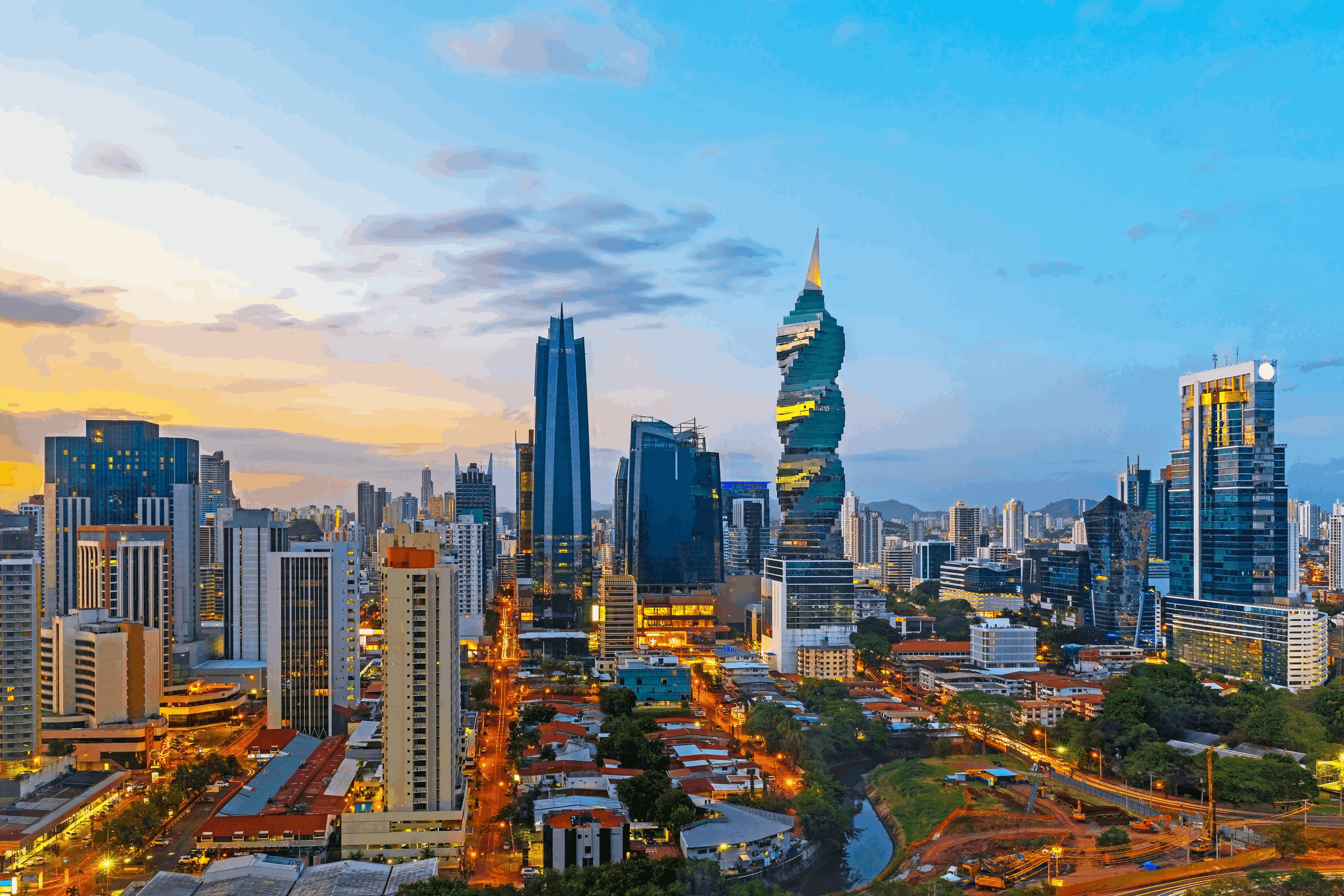
Panama City offers a striking contrast between modern urban development and historic districts, while other parts of the country open into beach areas, island escapes, cloud forest settings, and Indigenous territories that provide a very different atmosphere from the capital. The country works especially well for travelers who want a balance of urban energy, light adventure, scenic variety, and cultural depth, rather than focusing on only one type of travel experience.
Because of its location and historical role as a point of connection between continents, Panama also carries a strong international character while still maintaining a distinct local identity.
Panama at a glance
Panama City.
4.38 million
Panamanian Balboa (PAB)
Spanish
+507
Type A & B plugs
Eastern Standard Time / UTC-5 year-round.
Our Panama tours and holidays
Learn more about Panama
Official tourism guidance highlights December to April as the dry season and the most straightforward overall travel window, though Panama is warm year-round and some wildlife experiences are seasonal.
7 to 10 days is an ideal planning range for many travelers, allowing time for Panama City and the Canal while also adding beach, island, coffee highland, or nature experiences.
Panama offers strong visitor logistics, including domestic flights, long-distance buses, boats, taxis, ride services in some areas, private transport, and a good range of places to stay, from modern city hotels to eco-lodges, cabins, beach properties, and vacation homes. Its infrastructure supports a mix of city-based travel and more nature-oriented itineraries, allowing visitors to move fairly efficiently between Panama City and other destinations such as islands, mountain towns, and rainforest regions. In addition to transport and accommodations, many travelers will also find access to guided excursions, canal-related tours, nature activities, snorkeling or island trips, and cultural visits depending on the area. Panama’s service network is especially useful for travelers who want a trip with multiple settings, since the country offers enough tourism support to combine urban stays with beach or ecological experiences without too much difficulty.
Panama’s identity is shaped by its Indigenous roots, African heritage, Spanish influence, and centuries-long role as a route of exchange between continents. That history is reflected in everything from folklore and dress to music, craft traditions, cuisine, and living Indigenous communities, making the country feel both deeply local and historically global. Because Panama has long functioned as a point of passage and connection, its culture carries influences from trade, migration, and cultural exchange while still preserving strong local traditions and community identities. Visitors can see this blend in historic districts, traditional celebrations, artisan work, and the continued presence of Indigenous groups whose heritage remains an active part of the country’s cultural landscape. Panama’s story is also closely tied to movement, commerce, and strategic geography, which gives the country a cultural identity shaped not only by ancestry and tradition, but also by its long-standing importance as a meeting point between regions, peoples, and oceans.
Spending is relatively easy because balboa coins circulate alongside U.S. dollar bills, and official entry guidance states that travelers only need to declare cash, items, or documents valued above US$10,000 at customs.
Strong dishes to feature include sancocho, hojaldres, carimañolas, tamales, guacho, and rondón, all of which reflect the country’s mixed heritage and regional variety.
Panama FAQs
Do I Need a Visa to Travel to Panama?
Visitors from many countries do not require a visa for short tourist visits to Panama. This includes travellers from Australia, Canada, Ireland, New Zealand, South Africa, the United Kingdom, the United States, and most European Union nations.
Tourists are typically allowed to stay for up to 90 days, although immigration officials determine the final length of stay. Travellers may be asked to show proof of onward travel and proof of sufficient funds.
Entry requirements may change, so travellers should confirm the latest requirements with a Panamanian embassy or consulate before departure.
Is Tipping Customary in Panama?
Tipping is appreciated in Panama, particularly in restaurants and hospitality services.
Many restaurants include a service charge, but travellers often leave an additional 10% tip for good service. Small gratuities for hotel staff, drivers, and tour guides are also common.
What Is the Internet Access Like in Panama?
Wi-Fi is widely available in hotels, cafés, and restaurants, especially in cities such as Panama City and popular tourist areas.
Connections are generally reliable in urban locations but may be slower in rural areas or remote islands.
Can I Use My Mobile Phone in Panama?
Panama has good mobile network coverage across cities, highways, and major tourist destinations.
Travellers can activate international roaming with their provider or purchase a local SIM card after arrival for more affordable mobile data.
What Are the Toilets Like in Panama?
Most hotels, restaurants, and tourist facilities have modern flush toilets.
Facilities may be more basic in remote regions or on offshore islands, so carrying toilet paper and hand sanitizer can be helpful when travelling outside major tourist areas.
Can I Drink the Water in Panama?
Tap water is generally safe to drink in Panama City and several major urban areas.
However, travellers visiting smaller towns or remote regions may prefer bottled or filtered water as a precaution.
Are Credit Cards Widely Accepted?
Credit cards are widely accepted in hotels, restaurants, and many businesses in urban areas.
However, smaller shops, taxis, and local markets may prefer cash, so carrying some US dollars or Panamanian balboa is recommended.
What Is ATM Access Like in Panama?
ATMs that accept international cards are widely available in cities and tourist centres.
If travelling to smaller towns or islands, it is advisable to withdraw cash in advance.
Do I Need Travel Insurance?
Soca Islands strongly recommends that travellers purchase travel insurance before departure to cover medical emergencies, trip interruptions, and unexpected travel costs.
Staying Safe and Healthy While Travelling
Before travelling, review travel advisories from your government and consult health guidance from the World Health Organization.