Grenada Group Tours
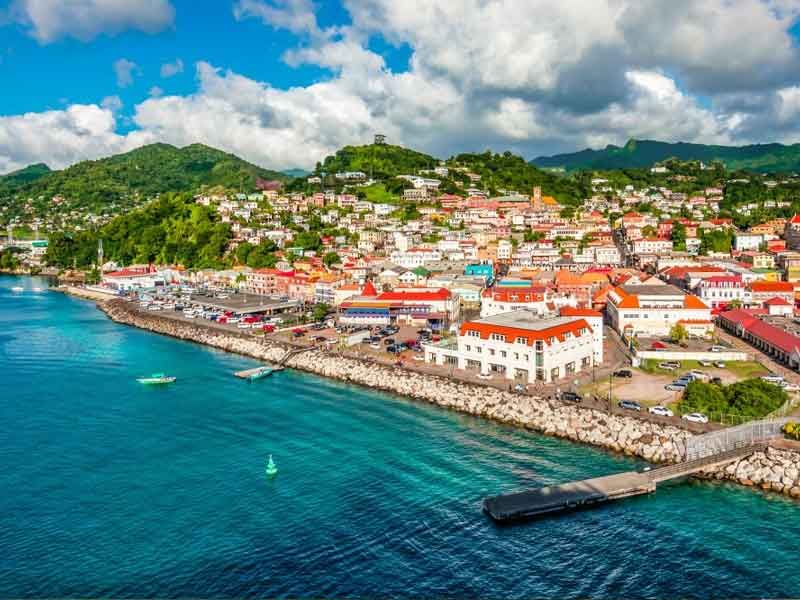
Grenada is rich in flavor, culture, and natural beauty. Nicknamed the “Isle of Spice,” it's the world's top producer of nutmeg and offers a sensory journey through spice plantations, waterfalls, and chocolate factories. Wander through St. George’s, one of the Caribbean’s most charming capitals, or snorkel through the Underwater Sculpture Park. Grenada’s vibe is warm, grounded, and irresistibly inviting—perfect for those seeking authenticity, adventure, and a true taste of Caribbean life.
Grenada at a glance
St. George's
117k
XCD
English
+1-473
Atlantic Standard Time (AST, UTC-4)
Our Grenada tours and holidays

Learn more about Grenada
The best time to visit Grenada is from December to April, during the dry season. This period offers sunny skies, warm temperatures, and low humidity, ideal for enjoying the island’s beaches, waterfalls, and lush rainforests. It’s also the peak tourist season, so expect a lively atmosphere, especially around holidays and events like Carnival and Sailing Week. For fewer crowds and better deals, the shoulder months of May and early December are great alternatives with still-pleasant weather. The hurricane season runs from June to November, and while Grenada is on the southern edge of the hurricane belt, occasional storms can occur, so this period is less predictable for travel.
A stay of 5 to 7 days is ideal for Grenada. This gives you time to unwind on Grand Anse Beach, explore St. George’s colorful capital, hike in the rainforest, tour spice plantations, and maybe even island-hop to Carriacou or Petite Martinique.
Grenada offers a wide range of services for travelers, including car rentals, taxis, guided tours, ferry services, and local buses. Accommodation options span from guesthouses and boutique hotels to eco-lodges, all-inclusive resorts, and vacation rentals. You'll also find ATMs, currency exchange, SIM card providers, wellness centers, dive shops, and medical facilities throughout the island.
Grenada’s history and culture are deeply rooted in its Indigenous heritage, colonial past, and African ancestry. Originally inhabited by the Arawak and Carib (Kalinago) peoples, the island was colonized by the French in the 17th century and later taken over by the British, who ruled until Grenada gained independence in 1974. The legacy of African slavery, European colonialism, and Indigenous resistance has shaped a resilient and culturally rich society.
Today, Grenadian culture is a vibrant blend of African, French, and British influences, evident in its language, food, music, and festivals. While English is the official language, many locals speak Grenadian Creole English or Creole French informally. Music and dance play a central role in everyday life, especially during Carnival, which features colorful costumes, soca, calypso, and steelpan music. Grenada is also known for its spice production, particularly nutmeg, earning it the nickname “Spice Isle.” Community, storytelling, and a strong sense of national pride are core aspects of Grenadian identity, making the island’s culture both welcoming and deeply expressive.
In Grenada, the official currency is the East Caribbean Dollar (XCD), but US Dollars (USD) are widely accepted, especially in tourist areas, hotels, and restaurants. The fixed exchange rate is approximately 2.7 XCD = 1 USD, making it easy for visitors to use both currencies. Credit and debit cards (especially Visa and MasterCard) are accepted in most hotels, shops, and larger restaurants, though smaller vendors and local markets may prefer cash.
ATMs are widely available in towns and tourist areas like St. George’s, dispensing XCD. It’s a good idea to carry small amounts of local currency for purchases in more rural areas or for tipping. Tipping is customary in Grenada, with 10–15% typical in restaurants if a service charge isn’t already included. Small tips are also appreciated for taxi drivers, hotel staff, and tour guides. While Grenada is generally easy to navigate financially, it’s smart to inform your bank before traveling and carry both cash and card options for convenience.
Grenada, known as the "Spice Isle," offers a rich and aromatic culinary experience that reflects its African, French, and Indian heritage. A must-try is oil down, Grenada’s national dish, a hearty one-pot meal made with breadfruit, salted meat or fish, coconut milk, turmeric, and local vegetables. Other popular dishes include lambi (conch) stew, callaloo soup, and curried goat, all seasoned with the island’s famous spices like nutmeg and cloves. Street food lovers should try roti (a soft flatbread filled with curried meat or vegetables), fried bakes, and doubles, a savory snack with curried chickpeas. For dessert, enjoy nutmeg ice cream or coconut drops, and don’t miss a taste of Grenada’s renowned rum punch made with local rums and tropical juices. Each dish is a celebration of Grenada’s vibrant culture and fertile land.
Grenada FAQs
Do I need a visa to travel to Grenada? Whether you need a visa depends on your nationality. Citizens of many countries, including the United States, Canada, the United Kingdom, and most EU nations, do not require a visa for short visits—typically up to 90 days. Visitors must have a valid passport (generally with at least six months’ validity), proof of onward or return travel, and sufficient funds for their stay. For longer stays or for purposes such as work or study, a visa may be required. It’s best to check with the nearest Grenadian consulate or embassy for the latest entry requirements based on your nationality. Do I need to purchase travel insurance before travelling? Yes. All travelers with Soca Islands are required to have travel insurance prior to the start of their trip. Your insurance details will be recorded by your trip leader on day one. Since healthcare access and costs can vary, travel insurance is essential to cover medical emergencies, lost luggage, cancellations, and other unexpected events. Is tipping customary in Grenada? Yes. All travelers with Soca Islands are required to have travel insurance prior to the start of their trip. Your insurance details will be recorded by your trip leader on day one. Since healthcare access and costs can vary, travel insurance is essential to cover medical emergencies, lost luggage, cancellations, and other unexpected events. Can I drink the water in Grenada? Tap water in Grenada is generally safe to drink, especially in cities and developed areas. However, after heavy rainfall or when traveling to remote areas, it's a good idea to stick to bottled or filtered water as a precaution. Many locals and visitors opt for bottled water just for peace of mind. What is the internet access like in Grenada? Internet access is widely available in urban areas like St. George’s, and most hotels, cafes, and restaurants offer Wi-Fi. In more rural or less developed parts of the island, connectivity may be slower or less reliable, but mobile data from local providers works well in most areas.
Can I use my mobile in Grenada? Yes, mobile phone coverage is generally reliable across Grenada, especially in towns and tourist areas. Providers like Flow and Digicel offer prepaid SIM cards and affordable data plans. If you're using your own carrier, make sure international roaming is activated before you arrive. Some remote or mountainous areas may have patchy coverage. How do I stay safe and healthy while travelling? Soca Islands prioritizes your safety and well-being. Grenada is considered a safe destination, but like any country, it's important to stay aware of your surroundings, especially at night. Stay hydrated, wear sunscreen, and follow any health guidelines. We also recommend checking your government’s travel advisory before your trip for the most up-to-date safety tips.
Are Soca Islands trips accessible for travelers with disabilities? We believe travel should be inclusive and accessible. While not all locations in Grenada are fully accessible, we do our best to accommodate your needs, make reasonable adjustments, and suggest itineraries that suit your requirements. Feel free to discuss your accessibility needs with us in advance.