Philippines Group Tours
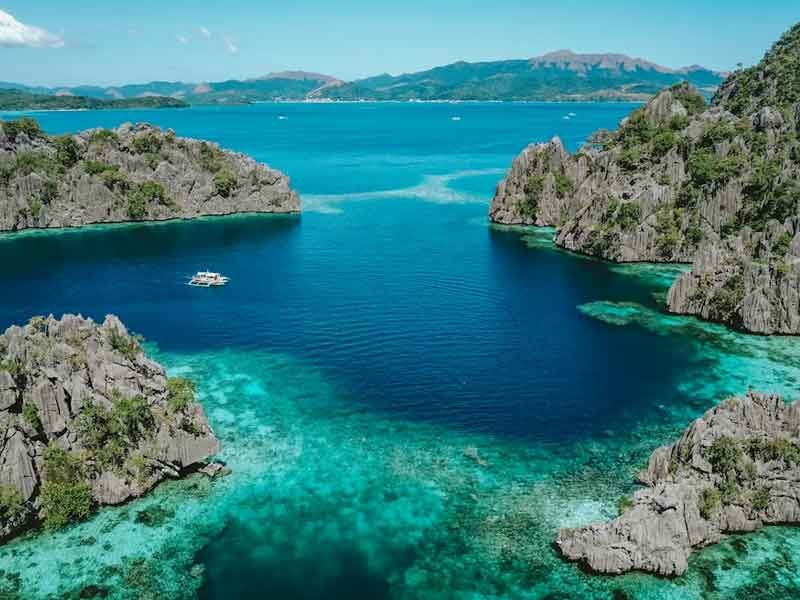
The Philippines is an archipelago of over 7,000 islands, offering spectacular beaches, coral reefs, tropical forests, and vibrant cities. Travelers can explore world‑renowned diving sites in Palawan and Cebu, pristine white sand beaches in Boracay, and dramatic rice terraces in Banaue. Manila blends Spanish colonial history with modern skyscrapers, world‑class shopping, and dynamic nightlife.
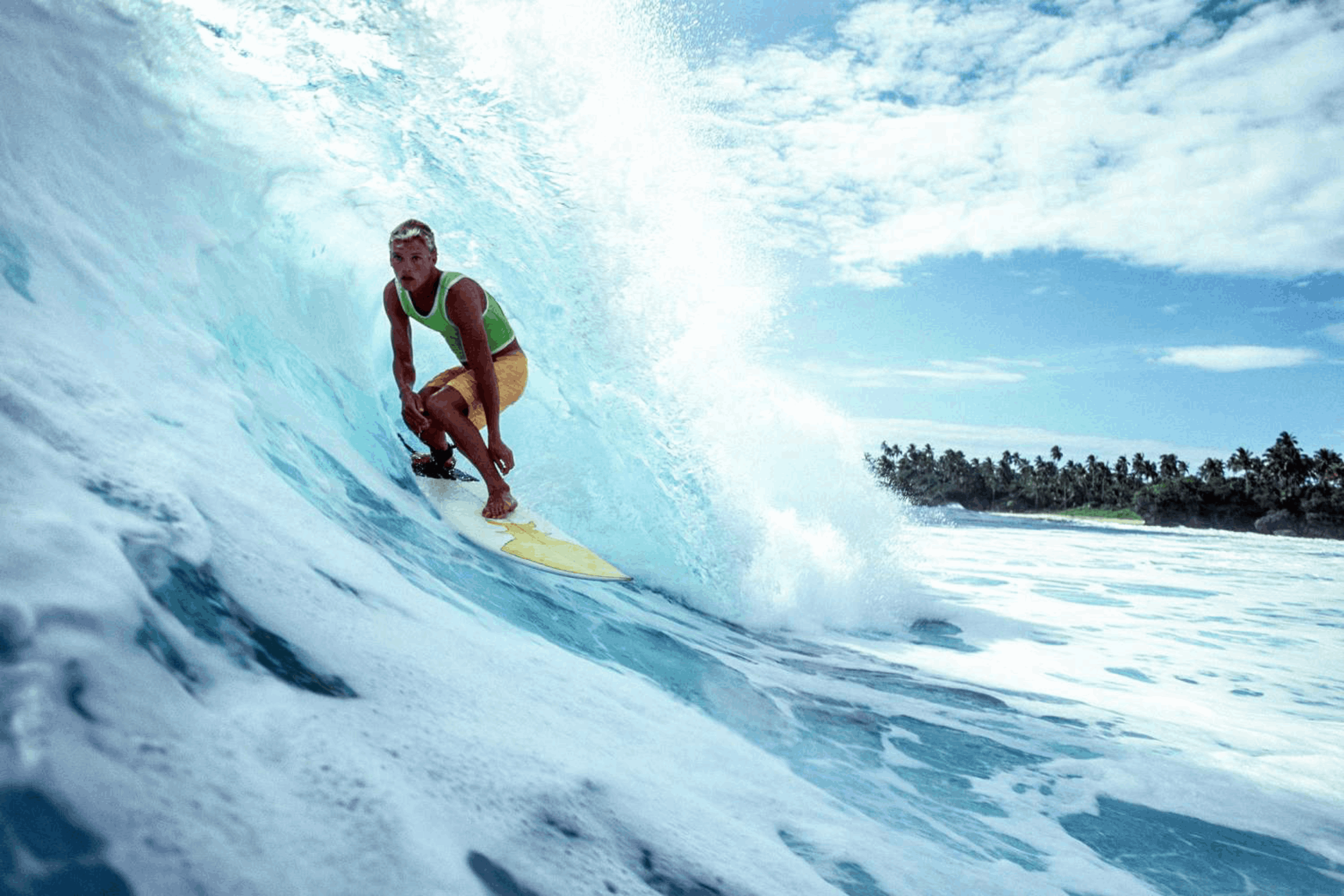
Island hopping, snorkeling, and water sports are quintessential Philippine experiences, while volcanoes such as Mount Mayon and cultural sites like Vigan’s colonial heart offer diversity beyond coastal horizons. Warm hospitality, colorful festivals, and friendly locals make the Philippines a memorable tropical destination.
Philippines at a glance
Manila
113 million
Philippine Peso (PHP)
Filipino (Tagalog), English widely spoken
+63
Type A, B & C (North American / European 2-pin)
GMT +8
Our Philippines tours and holidays
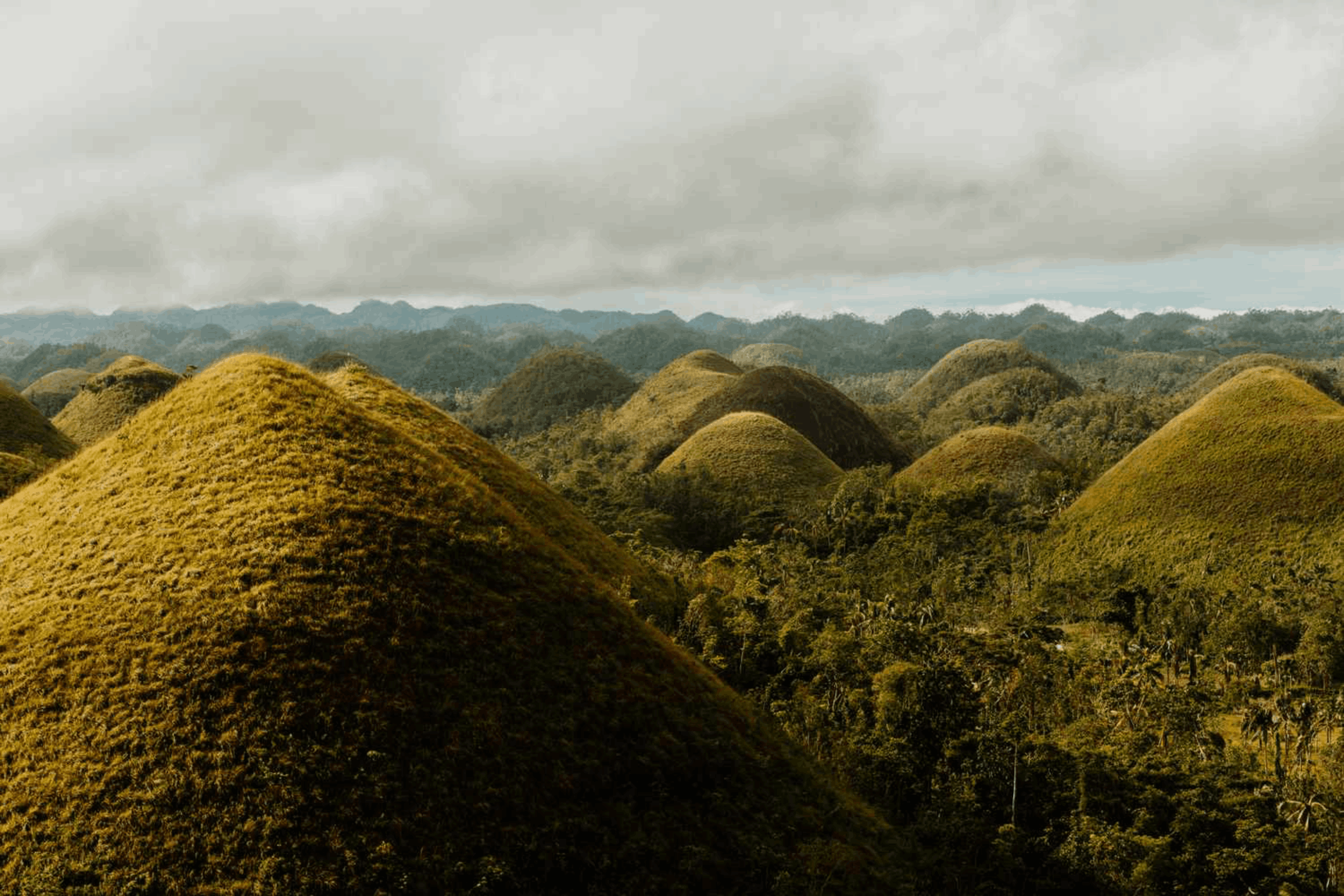
Learn more about Philippines
The Philippines has a tropical climate with warm temperatures throughout the year. Average temperatures range between 25°C and 32°C, with coastal breezes providing relief from the heat.
The best time to visit is from November to May, when the dry season offers sunny days ideal for island hopping, diving, and exploring beaches. The rainy season from June to October can bring tropical storms and heavier rainfall.
7–12 days
The Philippines provides wide traveler support and adventure services:
- Island‑hopping tours
- Snorkeling and diving excursions
- Volcano and nature hikes
- City cultural walking tours
- Beach resorts and water sports
- Hotels, hostels, and guesthouses
- Domestic flights and ferry transport
The Philippines’ history reflects indigenous traditions, centuries of Spanish colonial influence, and American occupation in the 20th century. Spanish heritage remains evident in churches, festivals, and place names, while American influence shaped language and modern institutions. Philippine culture is a blend of indigenous, Malay, Spanish, and Western traditions.
Festivals such as Sinulog and Ati‑Atihan showcase vibrant religious devotion and performative heritage, while local crafts and music highlight regional identity. Family and community are central to daily life, and Filipino hospitality is world‑renowned for warmth and generosity.
From Spanish colonial churches in Manila and Vigan to the tribal traditions of the Cordilleras, the Philippines offers deep cultural variety alongside its natural beauty.
Currency: Philippine Peso (PHP). ATMs are common in cities; credit cards widely accepted in urban centers, but cash is preferred on smaller islands and markets. Use licensed exchange bureaus.
Filipino cuisine celebrates rich flavors and local staples:
- Adobo – Marinated meat stew
- Sinigang – Sour tamarind soup
- Lechon – Roasted pig
- Halo‑halo – Shaved ice dessert
- Pancit – Noodles with vegetables and meat
- Fresh seafood – Island specialties
Philippines FAQs
Do I need a visa to travel to the Philippines? Visa requirements vary by nation. Many countries enjoy visa‑free stays up to 30 days; others require a pre‑travel visa. Always confirm with the Philippine embassy.
Do I need to purchase travel insurance before travelling? Yes. Travel insurance is highly recommended for health coverage, trip delays, and emergencies.
Is tipping customary in the Philippines? Tipping is appreciated, especially in restaurants and tours; locals often leave 5–10% if service is not included.
Can I drink the water in the Philippines? Tap water is generally not safe; bottled or filtered water is advised.
What is the internet access like in the Philippines? Wi‑Fi is common in urban areas and resorts, slower or intermittent in rural or remote islands.
Can I use my mobile in the Philippines? Yes. Coverage is good in cities and major tourist spots; remote islands may have patchy coverage.
How do I stay safe and healthy while travelling? Avoid unregulated tours, protect against mosquitoes, stay hydrated, and follow local advisories.
Are Soca Islands trips accessible for travelers with disabilities? Accessibility varies; many hotels and major sites have facilities, but some rural locations may not. Discuss needs ahead.