Cambodia Group Tours
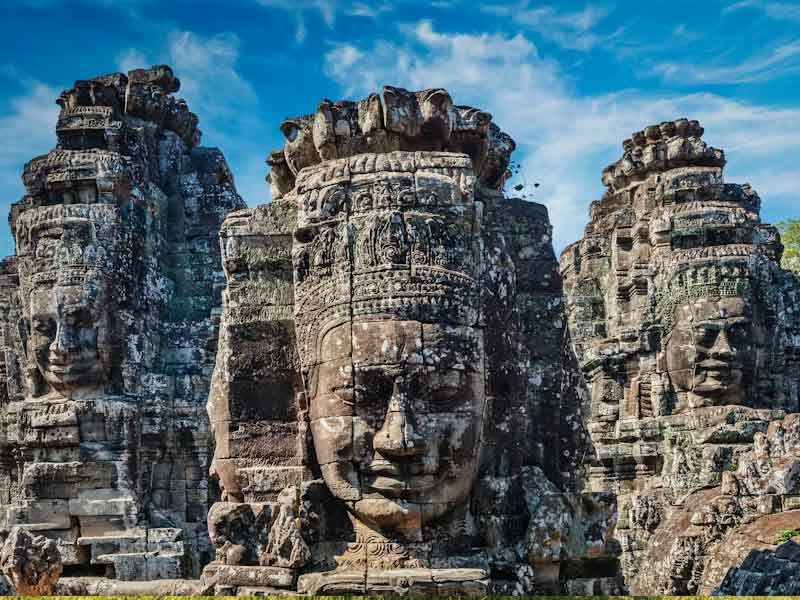
Cambodia has emerged from its difficult history to become one of Southeast Asia’s top destinations for solo travelers.
Anyone who has set foot in Cambodia will agree that it’s a place filled with inspiring beauty and hope. From the ancient splendor of Angkor Wat the world’s largest temple complex, to the revitalized streets of Phnom Penh, and the pristine white-sand beaches of Koh Rong and the Southern Islands, Cambodia offers a captivating mix of experiences.
The local cuisine shares some similarities with its regional neighbors, such as the crispy fried bananas popular in Thailand and the flavorful larb salads from Laos. But Cambodia also has its own distinctive dishes: fish amok, a delicious blend of coconut and lemongrass cream, grilled squid, and fresh beef salads with zesty lime dressing. Not to mention the country’s exclusive artisan gin distillery.
Once you’ve had a taste of Cambodia, it’s a place that will draw you back time and time again.
Cambodia at a glance
Phnom Penh
17.8 million
Cambodian Riel (KHR)
Khmer
+855
Type A, C & G plugs
Indochina Time (ICT, UTC+7)
Our Cambodia tours and holidays
Learn more about Cambodia
The best time to visit Cambodia is during the dry season, which runs from November to February. During this period, the weather is cooler and more comfortable, with lower humidity and little to no rain, making it ideal for exploring the temples of Angkor, as well as other outdoor activities.
The wet season, from May to October, brings heavy rain and higher humidity, which can make travel more challenging, especially in rural areas. However, the landscape becomes lush and green, and you can often find fewer tourists.
Overall, November to February is the most popular time for tourists to visit Cambodia due to the pleasant weather conditions.
For a trip to Cambodia, a 5 to 7-day itinerary is ideal. This allows enough time to explore the ancient Angkor Wat temples, visit the capital Phnom Penh to learn about Cambodia’s history, and enjoy the natural beauty of places like Tonle Sap Lake or the coastal town of Sihanoukville. If you’re interested in immersing yourself further in the culture or venturing off the beaten path, consider extending your stay by a few more days.
In Cambodia, you can find a variety of services to enhance your trip. Car rentals are available in cities like Phnom Penh and Siem Reap, with options to hire a driver. Guesthouses are common and budget-friendly, especially near major attractions like Angkor Wat. Local transportation includes taxis, tuk-tuks, and motorbike rentals, with tuk-tuks being particularly popular for short trips. Many hotels offer airport transfers, and licensed tour guides are available for exploring historical sites. Wi-Fi is widely available, and prepaid SIM cards for mobile data can be purchased easily. Currency exchange services are found in most cities, with US Dollars commonly accepted. Food delivery services are also available through apps like Foodpanda.
Cambodia has a rich history shaped by the ancient Khmer Empire, which flourished from the 9th to the 15th century. The iconic Angkor Wat, a UNESCO World Heritage site, remains a symbol of Cambodia's cultural heritage. The country’s culture blends Buddhist traditions, with the majority of Cambodians practicing Theravada Buddhism, and influences from French colonialism during the 19th and 20th centuries. The devastating Khmer Rouge regime (1975-1979) left a dark chapter in history, but today, Cambodia is rebuilding and preserving its culture. Traditional arts like classical dance, music, and silk weaving are still vibrant. The Khmer people value family, respect for elders, and communal ties.
In Cambodia, the official currency is the Cambodian Riel (KHR), but the US Dollar (USD) is widely accepted and often used for larger transactions. Banknotes come in USD denominations of $1, $5, $10, $20, $50, and $100. Small change in Riel is used for smaller amounts. Credit and debit cards are accepted in major cities, especially in hotels, restaurants, and shops. ATMs are common, and they often dispense USD. Tipping is not obligatory, but small tips are appreciated for good service. Currency exchange is available at banks, hotels, and exchange booths, with better rates at official exchange centers. Mobile payment systems like Apple Pay and Google Pay are becoming more common in urban areas.
Cambodian cuisine offers unique dishes like Amok (fish in coconut milk), Bai Sach Chrouk (grilled pork with rice), and Khmer Red Curry. Nom Banh Chok, a rice noodle dish with fish curry, and Lok Lak (stir-fried beef) are also popular. For the adventurous, try Fried Tarantulas, while Kuy Teav (rice noodle soup) and Mok Sek (sweet sticky rice) provide lighter options. Cambodia’s food is a flavorful mix of savory and sweet.
Cambodia FAQs
Do I need a visa to travel to Cambodia?
Most foreign nationals need a tourist visa to enter Cambodia. Travellers can apply for an e-visa online before departure or obtain a visa on arrival at major international airports such as Phnom Penh, Siem Reap, and Sihanoukville, as well as at several land border crossings with Thailand, Laos, and Vietnam.
To enter Cambodia, you will typically need a valid passport with at least six months validity beyond your arrival date and at least two blank pages for entry stamps. Travellers may also be asked to complete an arrival card before or upon arrival and provide a recent passport-sized photo.
Visa policies and entry requirements can change at any time, so we recommend checking with your local Cambodian embassy or official government website before travelling.
Do I need travel insurance to visit Cambodia?
Soca Islands strongly recommends that all travellers purchase travel insurance before departure. Your policy should ideally cover medical expenses, emergency evacuation and repatriation, trip cancellation or interruption, and lost or delayed baggage.
Healthcare costs and unexpected travel disruptions can be expensive, and travel insurance helps provide peace of mind throughout your journey.
Is tipping customary in Cambodia?
Tipping is not traditionally part of Cambodian culture, but it has become more common in tourist areas and is appreciated for good service. Travellers often leave small tips for restaurant staff, drivers, hotel staff, and local guides when service has been satisfactory.
What should I pack for a trip to Cambodia?
Cambodia has a tropical climate that is generally hot and humid year-round. Lightweight, breathable clothing made from materials such as cotton or linen is ideal for staying comfortable in the heat.
If you are travelling during the rainy season, typically from June to November, it is helpful to pack a lightweight rain jacket or poncho. Comfortable walking shoes, sandals, and a small day pack are also recommended for sightseeing and excursions.
When visiting temples and religious sites, clothing should cover the shoulders and extend below the knees. This applies to all visitors regardless of gender.
Can I drink the water in Cambodia?
Tap water in Cambodia is not recommended for drinking. Travellers should use bottled or filtered water instead. It is also advisable to avoid ice in drinks in smaller establishments and to peel fruits and vegetables before eating them.
To reduce plastic waste, consider bringing a reusable water bottle and refilling it with filtered water when available.
What is internet access like in Cambodia?
Internet access is generally reliable and fast in major cities and popular tourist areas such as Phnom Penh and Siem Reap. However, connections may be slower or less consistent in rural areas and smaller towns.
Can I use my mobile phone in Cambodia?
Mobile phone coverage is generally good in cities and tourist destinations, but coverage may be limited in more remote parts of the country. Before travelling, you can activate international roaming with your provider or consider purchasing a local SIM card upon arrival for more affordable data and calls.
What are the toilets like in Cambodia?
Both squat toilets and Western-style flush toilets can be found in Cambodia. Western-style facilities are more common in hotels, restaurants, and tourist areas, while squat toilets may still be used in rural locations and public facilities.
It is a good idea to carry tissues or toilet paper and hand sanitizer, as these may not always be provided in public restrooms.
Is Cambodia safe for LGBTQIA+ travellers?
Cambodia is generally considered a welcoming destination for LGBTQIA+ travellers, particularly in larger cities and popular tourist destinations. Phnom Penh and Siem Reap have growing LGBTQIA+ communities and venues.
However, cultural attitudes can be more conservative in rural areas, and public displays of affection are uncommon for all couples. Travellers are encouraged to be respectful of local customs and exercise discretion where appropriate.
Is it safe to travel to Cambodia?
Cambodia is generally a safe destination for travellers, though visitors should still take normal precautions as they would in any international destination. Petty crime such as pickpocketing can occur in busy tourist areas, so it is important to remain aware of your surroundings and secure personal belongings.
During the rainy season, particularly between July and November, heavy rainfall and flooding can occur in some regions. Travellers should monitor weather conditions and follow local guidance when travelling during this period.
How do I stay safe and healthy while travelling?
At Soca Islands, the safety and wellbeing of our travellers is a top priority. Our trips are designed to be safe, enjoyable, and culturally respectful, with experienced local guides and support throughout your journey.
Before travelling, we recommend checking travel advisories issued by your government and reviewing the latest health guidance from the World Health Organization. Ensuring that routine vaccinations are up to date and staying informed about local conditions will help you enjoy a safe and memorable experience in Cambodia.
Are Soca Islands trips accessible for travellers with disabilities?
We believe travel should be accessible to everyone. While some destinations and itineraries may present logistical challenges, we aim to support travellers with different accessibility needs wherever possible.
If you require specific assistance or accommodations, we encourage you to contact the Soca Islands team before booking so we can discuss your needs and help guide you toward the most suitable trip options.