Egypt Group Tours
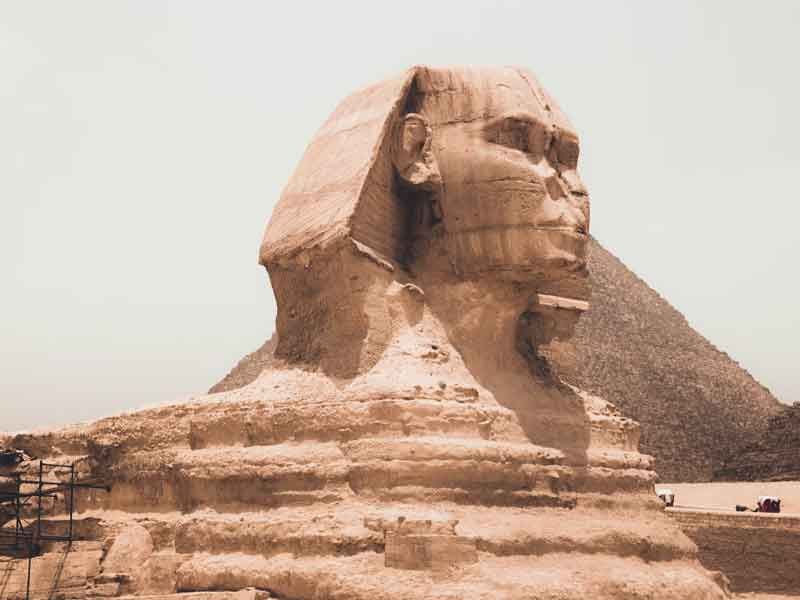
The Pyramids, the Nile River, and the lively street-food culture of Cairo... Egypt is home to some of the most famous landmarks in the world, and on this group tour, you’ll get to experience them all while traveling solo in this fascinating country. With its deep history and legendary past, Egypt brings to mind images of hidden tombs filled with treasures and the unforgettable discovery of Tutankhamun.
While you probably won’t uncover gold in a forgotten temple during your tour, you'll certainly find other kinds of treasures around every corner.
Egypt at a glance
Cairo
112.8 million
Egyptian Pound (EGP)
Arabic
+20
Type C & F plugs
Eastern European Time (EET, UTC+2)
Our Egypt tours and holidays
Learn more about Egypt
The best time to visit Egypt is during the fall (September to November) and spring (March to May) months. During these seasons, the weather is more moderate, with temperatures ranging from 20°C to 30°C (68°F to 86°F), making it ideal for sightseeing and exploring Egypt’s historical sites like the Pyramids, Luxor, and the Valley of the Kings. The summer months (June to August) can be extremely hot, especially in desert areas, with temperatures often exceeding 40°C (104°F), which may make outdoor activities less comfortable.
If you plan to visit the coastal areas like Sharm El Sheikh or Hurghada, these regions are popular year-round due to their warm, sunny weather, perfect for beach and diving activities. However, visiting during the spring or fall is still recommended for the best experience.
Here’s a shortened version that preserves the key points:
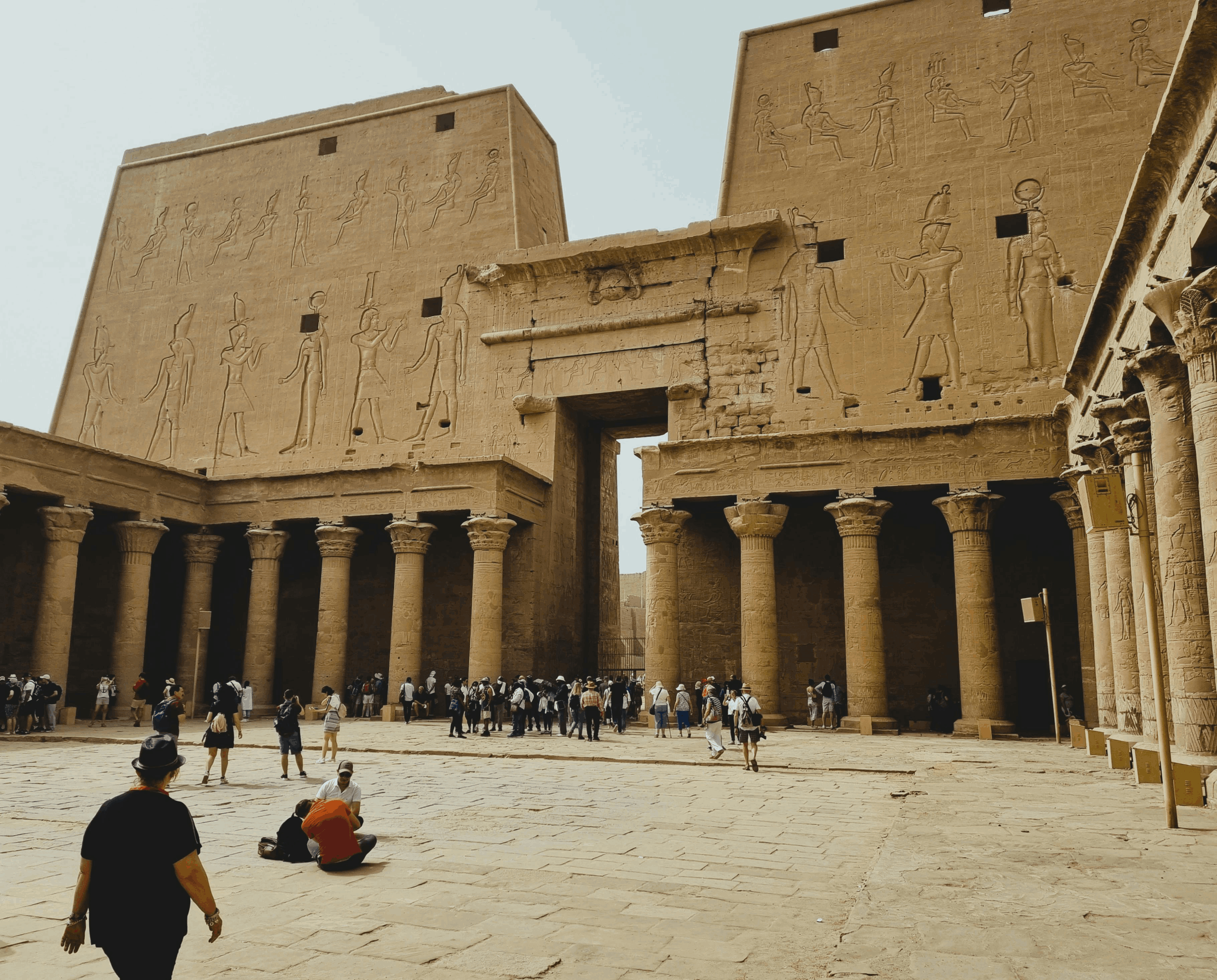
Egypt is one of the world's oldest civilizations, with a history dating back to around 3100 BC. It was home to the Pharaonic Kingdom, known for monumental achievements like the Pyramids of Giza, the Sphinx, and Karnak Temple. Ancient Egyptians advanced in medicine, mathematics, and writing, including the creation of hieroglyphics. Over time, Egypt was ruled by empires such as the Romans, Byzantines, and Arabs, each shaping its culture. The Arab conquest introduced Islam and Arabic, which remain central to Egyptian identity. Today, Egypt blends its ancient heritage with Islamic traditions, emphasizing family, community, and hospitality. Traditional music, dance, and art remain vital, while the country continues to thrive as a cultural leader in the Arab world. Egypt’s markets, cuisine, and celebrations like Ramadan highlight its rich and vibrant culture.
In Egypt, the official currency is the Egyptian Pound (EGP). While credit cards are widely accepted in major cities, hotels, and tourist areas, it's recommended to carry cash for smaller transactions, especially in more rural areas or at local markets. ATMs are available in cities, and many also allow international card access. However, it's advisable to notify your bank beforehand to avoid any issues with international transactions.
Tipping is customary in Egypt, and it's common to give small tips (known as baksheesh) to hotel staff, taxi drivers, and tour guides, usually around 10–20 EGP or more depending on the service. It's a good idea to have smaller denominations on hand for tipping.
Foreign exchange can be done at banks, exchange offices, or even at hotels, though exchange offices generally offer better rates than hotels. Keep in mind that US dollars, euros, and British pounds are commonly accepted in larger tourist locations but it's best to use Egyptian pounds for day-to-day purchases.
Koshari – A hearty mix of rice, lentils, chickpeas, macaroni, and crispy onions, topped with spicy tomato sauce.
Ful Medames – Mashed, slow-cooked fava beans, usually eaten for breakfast with olive oil, garlic, and lemon.
Molokhia – A thick, green stew made from jute leaves, often served with rice or bread and paired with chicken or rabbit.
Fattah – A festive dish of layered rice, crispy bread, meat (usually beef or lamb), and garlicky tomato sauce.
Mahshi – Vegetables like zucchini, eggplant, or grape leaves stuffed with seasoned rice and sometimes minced meat.
Egypt FAQs
Do I need a visa to travel to Egypt? Whether you need a visa to travel to Egypt depends on your nationality. Citizens of many countries, including the United States, Canada, the United Kingdom, and most EU nations, can obtain a tourist visa upon arrival or apply for an e-visa for stays up to 30 days. Visitors must have a valid passport (generally with at least six months' validity beyond their arrival date), proof of onward or return travel, and sufficient funds for their stay. For longer stays or purposes such as work or study, a visa is required. It’s best to check with the nearest Egyptian consulate or embassy for the latest entry requirements based on your nationality. Do I need to purchase travel insurance before traveling? Yes. All travelers are encouraged to have travel insurance prior to the start of their trip. Travel insurance is essential to cover unexpected events such as medical emergencies, lost luggage, cancellations, or travel disruptions, especially since healthcare access and costs can vary from country to country. Is tipping customary in Egypt? Yes, tipping is customary in Egypt and is appreciated for good service, though it is not mandatory. In restaurants, a tip of 10-15% is typical if a service charge hasn’t already been included in the bill. For taxi drivers, hotel staff, or tour guides, a tip of 5-20 EGP (Egyptian Pounds) is appreciated, depending on the service provided. It's a good idea to carry small change or local currency for tipping. Can I drink the water in Egypt? Tap water in Egypt is generally not recommended for drinking, especially for travelers. It's advised to stick to bottled or filtered water to avoid any potential stomach discomfort. Many locals and visitors prefer bottled water, which is widely available.
What is the internet access like in Egypt?
Internet access is widely available in major cities like Cairo and Alexandria, with most hotels, cafes, and restaurants offering Wi-Fi. In more rural areas, internet connectivity may be slower, but mobile data from local providers like Vodafone and Orange is usually reliable in populated areas. Can I use my mobile in Egypt? Yes, mobile phone coverage is generally reliable across Egypt, especially in cities and tourist areas. Providers like Vodafone, Orange, and Etisalat offer prepaid SIM cards and affordable data plans. If you’re using your home carrier, make sure international roaming is activated before arrival. Some remote or desert areas may have limited coverage.
How do I stay safe and healthy while traveling? Egypt is a relatively safe destination, but it’s always a good idea to stay aware of your surroundings, especially in crowded places or at night. Stay hydrated, wear sunscreen, and be cautious with street food to avoid digestive issues. We also recommend checking your government’s travel advisory before your trip for the most up-to-date safety information. Are trips accessible for travelers with disabilities? While Egypt offers a range of accessible travel options, some locations may not be fully accessible, especially in more rural or historical sites. We strive to accommodate all travelers' needs and can assist in making reasonable adjustments where possible. Feel free to discuss your accessibility needs with us in advance to ensure a comfortable experience.