
Curaçao Group Tours
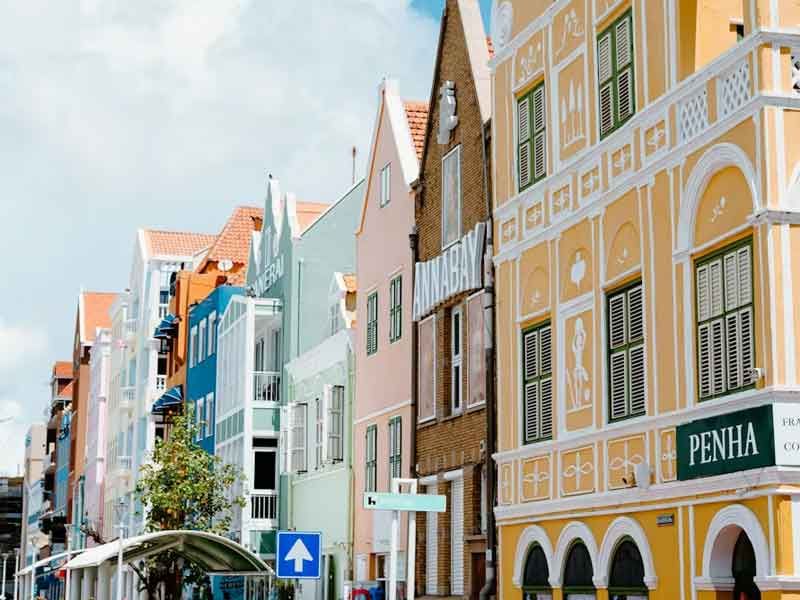
Curaçao is a vibrant Caribbean island renowned for colorful Dutch‑influenced architecture, eclectic culture, and world‑class diving. The UNESCO‑listed capital Willemstad features pastel buildings along the waterfront, scenic bridges, and a lively arts scene. Curaçao’s beaches range from calm coves to rugged shorelines with excellent snorkeling and scuba diving among coral reefs and marine life.
Beyond the coast, the island’s arid interior, rocky landscapes, and cultural heritage give visitors a range of experiences from hiking and wildlife parks to local markets and seaside dining. Curaçao’s multicultural identity blending African, Dutch, Spanish and Caribbean influences makes it a dynamic destination for both relaxation and discovery.
Curaçao at a glance
Willemstad
160,000
Netherlands Antillean Guilder (ANG)
Dutch (official), Papiamentu, English & Spanish
+599
Type A & B (North American 2-pin)
GMT –4
Our Curaçao tours and holidays
Learn more about Curaçao
Curacao enjoys warm tropical weather year-round with plenty of sunshine and very little rainfall compared to other Caribbean islands. Temperatures generally range between 26°C and 31°C, with cooling trade winds making the climate comfortable for outdoor activities.
The best time to visit is from January to May, when rainfall is minimal and the weather is ideal for beach activities, snorkeling, and diving. While the island is outside the main hurricane belt, the wetter months between October and December can bring occasional showers. Travelers looking to avoid crowds and find good travel deals may prefer visiting in May or early December.
7–10 days
Curaçao supports travelers with a variety of services:
- Diving and snorkeling tours
- Sailing and boat excursions
- Cultural and historic walking tours
- Beach activities and water sports
- Hotels, resorts, and guesthouses
- Local culinary tours
Curaçao’s history dates back to the Arawak and Caquetio peoples, followed by Spanish and then Dutch colonial rule in the 16th–17th centuries. The Dutch West India Company established the island as a key trading post, shaping its colonial architecture and social history. Curaçao was an important center in the Atlantic slave trade, and the legacy lives on in language, music, and traditions.
Papiamentu a creole language blending Portuguese, Spanish, Dutch, and African influences reflects Curaçao’s multicultural roots. Carnival, music festivals, and local arts celebrate this fusion of heritage. Colorful markets sell crafts, local produce, and traditional foods, while museums and cultural sites provide insights into the island’s layered past.
Visitors can explore fortresses, plantation ruins, and cultural centers that showcase Curaçao’s journey from indigenous land to colonial trading hub to modern Caribbean society.
The Netherlands Antillean Guilder (ANG) is official, but US dollars are widely accepted. ATMs and card services are available in major towns; cash is helpful for smaller purchases.
Curaçao’s cuisine reflects its diverse influences:
- Keshi Yena – Stuffed cheese dish
- Stoba – Local stew (beef or goat)
- Funchi – Cornmeal side dish
- Pastechi – Fried pastry with meat or cheese
- Fresh seafood – Fish, shrimp, lobster specialties
Curaçao FAQs
Do I need a visa to travel to Curaçao? Visa requirements depend on nationality. Many citizens of the US, UK, Canada, EU, and Caribbean nations do not need a tourist visa for short stays. Check with the nearest Curaçao consulate.
Do I need to purchase travel insurance before travelling? Yes. Travel insurance is recommended for medical care, trip delays, and emergencies.
Is tipping customary in Curaçao? Tipping is appreciated; 10–15% in restaurants if service isn’t included.
Can I drink the water in Curaçao? Yes. Tap water is generally safe to drink.
What is the internet access like in Curaçao? Wi‑Fi is widely available in hotels, cafes, and city areas.
Can I use my mobile in Curaçao? Mobile coverage is good; local SIMs provide affordable data.
How do I stay safe and healthy while travelling? Curaçao is considered safe; respect local guidance and protect yourself from the sun.
Are Soca Islands trips accessible for travelers with disabilities? Many urban and resort areas are accessible; natural sites may vary in terrain.