St. Vincent & the Grenadines Group Tours
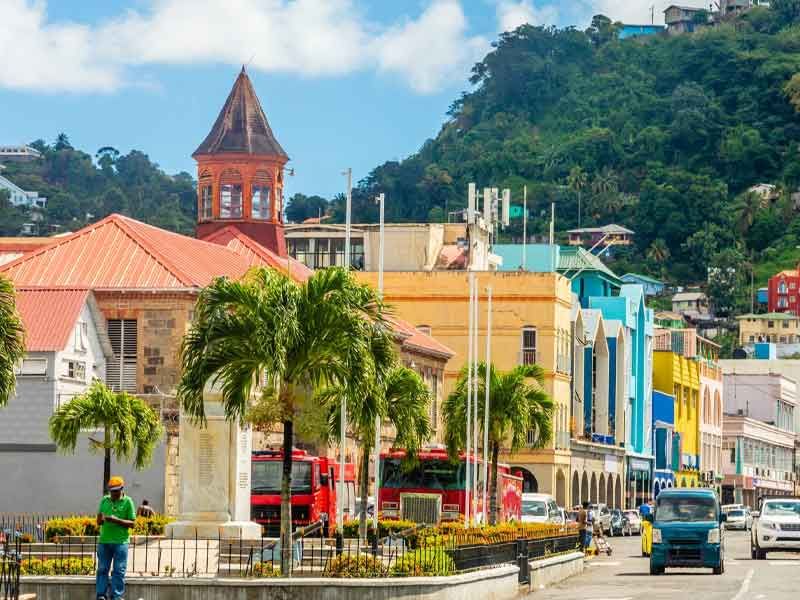
St. Vincent and the Grenadines is a chain of lush, unspoiled islands where nature takes center stage. Explore the volcanic peaks of St. Vincent, including the dramatic La Soufrière volcano, or sail through the turquoise waters of the Grenadines with hidden gems like Bequia, Canouan, and Mustique. Dive into coral reefs, hike rainforest trails, or simply unwind on secluded beaches. With its laid-back vibe and authentic Caribbean spirit, this destination is a true escape for travelers who love nature, culture, and sailing adventures.
St. Vincent & the Grenadines at a glance
Kingstown
100k
Eastern Caribbean Dollar (XCD)
English
+1-784
Type A, B & G plugs
AST, UTC-4
Our St. Vincent & the Grenadines tours and holidays
Learn more about St. Vincent & the Grenadines
The best time to visit St. Vincent and the Grenadines is from December to April, during the dry season. This period offers sunny, warm weather with minimal rainfall, making it perfect for outdoor activities like hiking, beach lounging, and exploring the islands. The weather is ideal for sailing, diving, and enjoying the stunning landscapes. Since this is the peak tourist season, you can expect more visitors and higher prices for accommodation and flights.
For those who prefer fewer crowds and lower prices, the shoulder months of November and May are also great options. While there may be occasional rain, the weather remains warm and enjoyable, and you can still take part in various activities. The hurricane season runs from June to November, but St. Vincent and the Grenadines is generally less affected by storms than other Caribbean islands. If you're looking for the best combination of weather, activities, and fewer tourists, visiting during the dry season from December to April is your best bet.
5 to 7 days allows ample time to explore the islands' natural beauty, beaches, and cultural sites.
Travelers can find car rentals, taxis, guided tours, ferry services between islands, and local buses. Accommodation options include guesthouses, boutique hotels, eco-lodges, all-inclusive resorts, and vacation rentals. Essential amenities such as ATMs, currency exchange, SIM card providers, wellness centers, dive shops, and medical facilities are available throughout the islands.
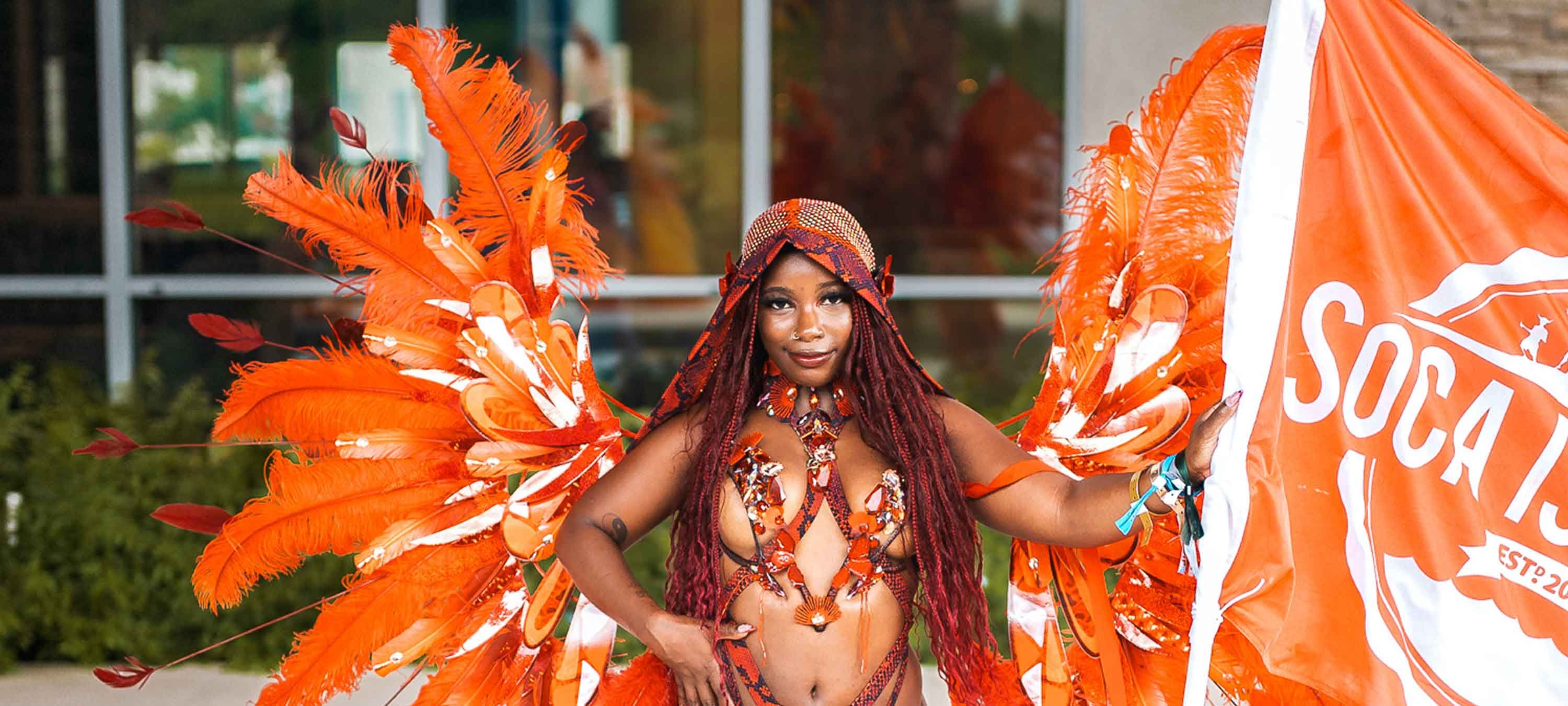
St. Vincent and the Grenadines has a rich history and vibrant culture shaped by Indigenous roots, European colonization, African heritage, and Caribbean traditions. Originally inhabited by the Ciboney, Arawaks, and later the Caribs (Kalinago), the islands fiercely resisted European colonization for centuries. The French were the first Europeans to settle, but the British eventually took control in the late 18th century after years of conflict, including battles with the Black Caribs (Garifuna), a group descended from African and Carib ancestry. The island became a British colony, with sugar plantations worked by enslaved Africans, until slavery was abolished in the 1800s. St. Vincent gained independence in 1979, and today its culture reflects a blend of African, European, and Indigenous influences. The official language is English, but Vincentian Creole is widely spoken in everyday life. Music and dance are central to cultural life, with calypso, soca, reggae, and steelpan being popular, especially during the vibrant annual Vincy Mas carnival. The culture is also deeply tied to storytelling, folk traditions, agriculture, and a strong sense of community. Overall, St. Vincent's history of resistance and resilience has shaped a proud and culturally rich nation.
In St. Vincent and the Grenadines, the official currency is the East Caribbean Dollar (XCD), though US Dollars (USD) are widely accepted, especially in tourist areas, hotels, and shops. The exchange rate is typically 2.7 XCD = 1 USD, and it's convenient to carry both currencies. Credit and debit cards (Visa, MasterCard, and American Express) are accepted in many larger establishments, including hotels, restaurants, and stores, although smaller vendors may prefer cash. ATMs are available in the main towns like Kingstown, and most dispense both XCD and USD. However, it's always a good idea to carry some cash, particularly if you're traveling to more remote areas or local markets where card payments may not be accepted. Tipping is also customary in St. Vincent and the Grenadines, with a typical 10-15% tip in restaurants if a service charge hasn't already been added to the bill. For taxis and hotel staff, small tips are appreciated for good service. Overall, while credit cards are convenient, it's best to carry some local currency for smaller purchases or in more rural areas.
St. Vincent and the Grenadines offers a rich culinary experience with dishes that highlight the island's agricultural heritage and cultural diversity. A must-try is breadfruit and fried jackfish, a hearty meal of local breadfruit served with flavorful fried jackfish. Another popular dish is roast pork and dumplings, where tender roast pork is paired with soft dumplings. For a comforting soup, try callaloo soup, made from leafy greens, okra, and coconut milk. Fish and fungi, a traditional combination of fried or stewed fish with a cornmeal-based dish, is another local favorite. The savory goat water stew, made with tender goat meat, is a classic dish, while accras, fried fish cakes made with saltfish, are perfect for a snack. For dessert, indulge in a sweet coconut tart, a pastry filled with coconut, sugar, and spices. And of course, no visit would be complete without tasting the island's famous Sunset Rum. These dishes offer a true taste of the island's vibrant flavors and rich cultural mix.
St. Vincent & the Grenadines FAQs
Do I need a visa to travel to Jamaica? Whether you need a visa depends on your nationality. Citizens of many countries, including the United States, Canada, the United Kingdom, and most EU nations, do not require a visa for short stays (typically up to 30 to 90 days). Travelers must have a valid passport (usually with at least six months’ validity beyond their arrival date), proof of onward or return travel, and sufficient funds for their stay. For longer stays, or purposes such as work or study, a visa may be required. It’s always best to check with the nearest St. Vincent and the Grenadines consulate or embassy for the most up-to-date requirements based on your travel plans. Do I need to purchase travel before traveling? Absolutely. All passengers traveling with Soca Islands are required to have travel insurance before the start of their trip. Your travel insurance details will be recorded by your group leader on the first day. Given the variation in healthcare availability and cost across countries, travel insurance is essential to cover unexpected issues such as illness, injury, or trip cancellations. Is tipping customary in St. Vincent and the Grenadines? Yes, tipping is customary though not mandatory. In restaurants, a 10-15% tip is appreciated if a service charge isn’t already included. For other services, such as taxi drivers, hotel staff, or guides, tips of $1 to $5 USD (or the local equivalent in XCD) are welcomed depending on the level of service. It’s a good idea to keep small change or local currency for this purpose. Can I drink the water in St. Vincent and the Grenadines? Tap water is generally safe to drink in most areas, especially in towns and hotels. However, in rural areas or after heavy rainfall, it's wise to stick to bottled or boiled water as a precaution. Many visitors choose filtered water for extra peace of mind.
What is the internet access like in St. Vincent and the Grenadines? Internet access is widely available in main towns like Kingstown, especially in hotels, cafes, and restaurants. In rural or remote areas, coverage may be more limited, but mobile data and Wi-Fi are usually reliable in populated locations.
Can I use my mobile in St. Vincent and the Grenadines? Yes, mobile coverage is generally good in urban and tourist areas. Major providers like Flow and Digicel offer prepaid SIM cards and data packages. If you’re using your home carrier, make sure to enable international roaming before departure. In remote parts of the Grenadines, coverage may be limited. How do iIstay safe and healthy while traveling? Soca Islands places a strong emphasis on traveler health and safety, doing everything possible to make trips fun, safe, and enjoyable. It’s important to check your government’s travel advisory before departure and take standard precautions, including staying hydrated, protecting yourself from the sun, and following local health guidelines. Are Soca Islands trips accessible for travelers with disabilities? We believe travel should be accessible to everyone. While some destinations may pose challenges, we’ll do our best to accommodate your needs, make reasonable adjustments, and guide you toward the most suitable options.