Vietnam Group Tours
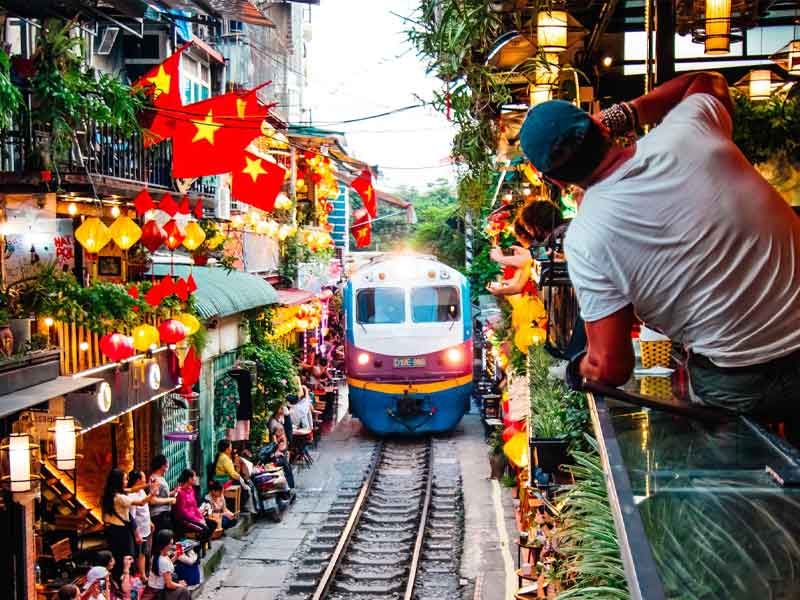
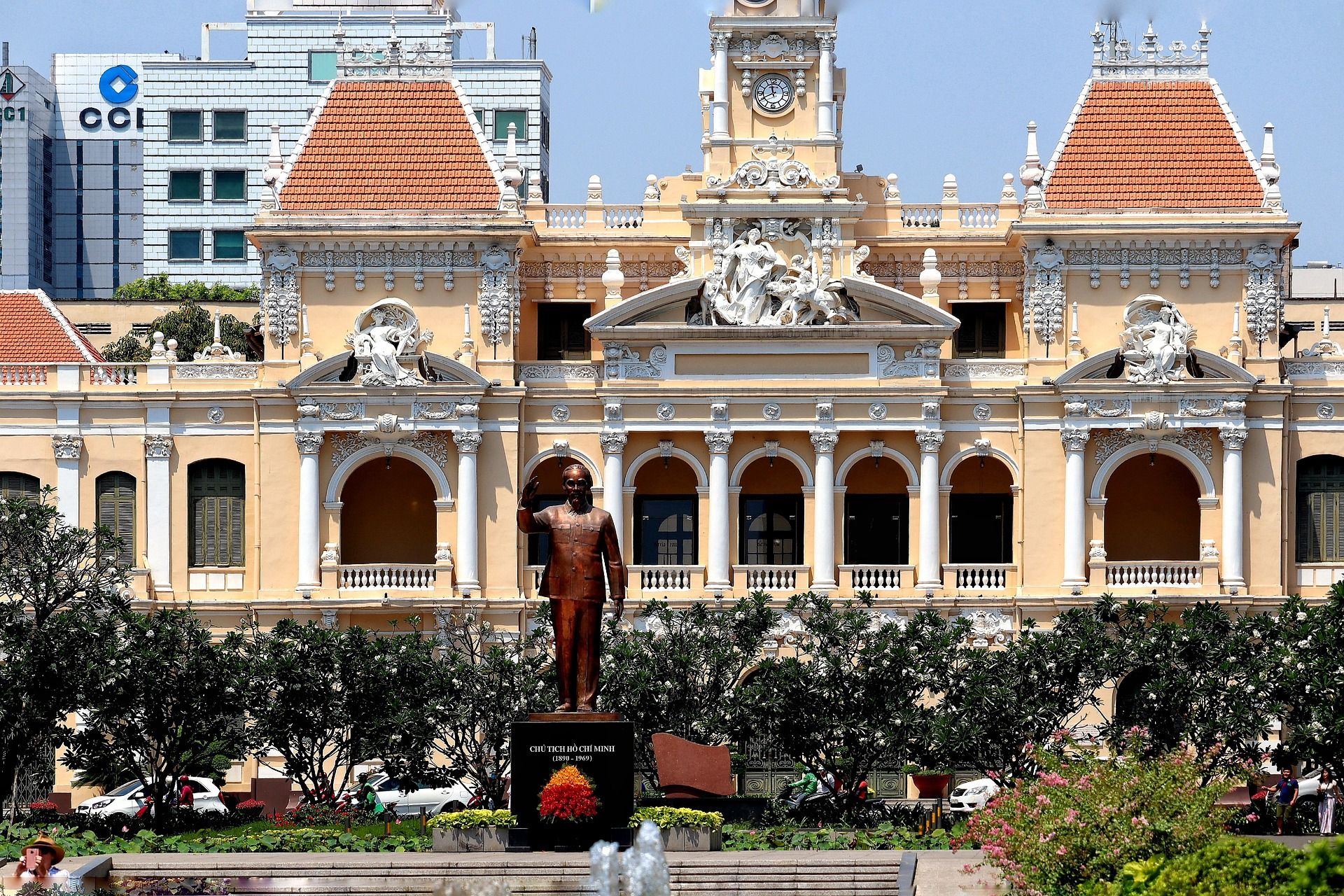
A country where the influences of China and France have blended seamlessly, yet it still holds firmly to its Southeast Asian roots. Whether seen in the architecture of its cities or tasted in a bánh mì baguette, this cultural fusion remains a defining feature, enriching the vibrant character of modern Vietnam.
The nation’s cuisine is world-famous, from steaming bowls of pho to fresh spring rolls and bold, spicy salads. In fact, the food alone makes Vietnam a must-visit destination, best enjoyed at the humble street-food stalls scattered across Hanoi, Ho Chi Minh City, and beyond.
Vietnam at a glance
Hanoi
101 million
Vietnamese Dong (VND)
Vietnamese
+84
Type A, C & F plugs
Indochina Time (ICT, UTC+7)
Our Vietnam tours and holidays
Learn more about Vietnam
The best time to visit Vietnam is from October to April when the weather is generally dry and cool, especially in northern areas like Hanoi. For beach holidays in the south (Ho Chi Minh City, Phu Quoc), the dry season from November to April is best. The rainy season from May to September offers lower prices but can disrupt travel plans.
A stay of 7 to 10 days will allow you to explore major cities like Hanoi and Ho Chi Minh City, the UNESCO-listed Halong Bay, the Mekong Delta, and the ancient town of Hoi An.
In Vietnam, you can find car rentals, buses, taxis, domestic flights, and ride-hailing services like Grab. Accommodations range from guesthouses, homestays, and boutique hotels to luxury resorts. ATMs, currency exchange, SIM cards, wellness centers, and tour guides are widely available.
Vietnam’s history is deeply influenced by its resistance to foreign powers, including China, France, and the U.S. The country was once part of the ancient Chinese empire, later colonized by the French, and divided into North and South Vietnam before the reunification in 1975. Vietnam is known for its rich cultural heritage, including traditional music, festivals, and the influence of Confucianism. The Vietnamese people are renowned for their hospitality, and their culture is shaped by Buddhism, Taoism, and animism.
ATMs are common in major cities and tourist areas, and credit cards are accepted at larger establishments. However, cash is preferred at smaller markets, street vendors, and rural areas. The Vietnamese Dong (VND) is the local currency. Currency exchange services are available at banks and exchange offices.
- Pho: A Vietnamese noodle soup made with either beef (pho bo) or chicken (pho ga), herbs, and rice noodles.
- Banh Mi: A Vietnamese sandwich made with a baguette, filled with meats, pickled vegetables, cilantro, and chili.
- Goi Cuon (Spring Rolls): Fresh rice paper rolls filled with shrimp, herbs, vermicelli noodles, and lettuce.
- Bun Cha: Grilled pork served with noodles and a side of dipping broth.
- Egg Coffee: A unique Vietnamese drink made with egg yolks, sugar, condensed milk, and coffee.
Vietnam FAQs
Do I need a visa to travel to Vietnam?
Most visitors will need a visa, except for nationals of a few countries. You can apply for an e-visa or a visa on arrival, depending on your nationality.
Do I need to purchase travel insurance before traveling?
Yes, it's recommended to purchase travel insurance to cover health, cancellations, or lost luggage.
Is tipping customary in Vietnam?
Tipping is not obligatory but appreciated for good service. You can leave 10% in restaurants or a small amount for hotel staff.
Can I drink the water in Vietnam?
Tap water in Vietnam is not safe to drink. Stick to bottled or boiled water.
What is internet access like in Vietnam?
Internet access is available in most hotels, restaurants, and cafes in major cities and tourist areas.
Can I use my mobile in Vietnam?
Mobile coverage is good in cities, and local SIM cards are easy to obtain. Ensure that international roaming is activated for foreign phones.
How do I stay safe and healthy while traveling?
Vietnam is a safe country for tourists, but like in any destination, stay aware of your surroundings. Avoid drinking tap water and use bottled water.
Are trips accessible for travelers with disabilities?
Accessibility varies in Vietnam, with some urban areas offering better infrastructure than others. It's best to check with specific providers in advance