
South Korea Group Tours
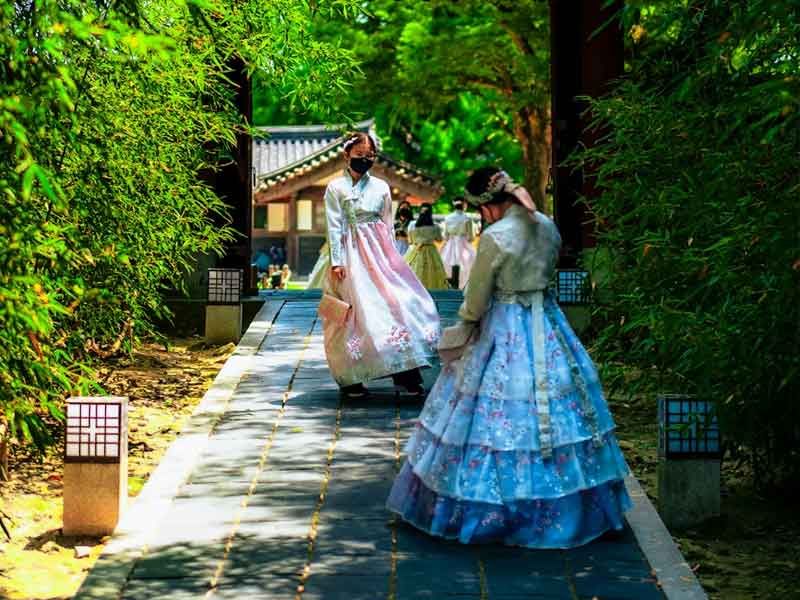
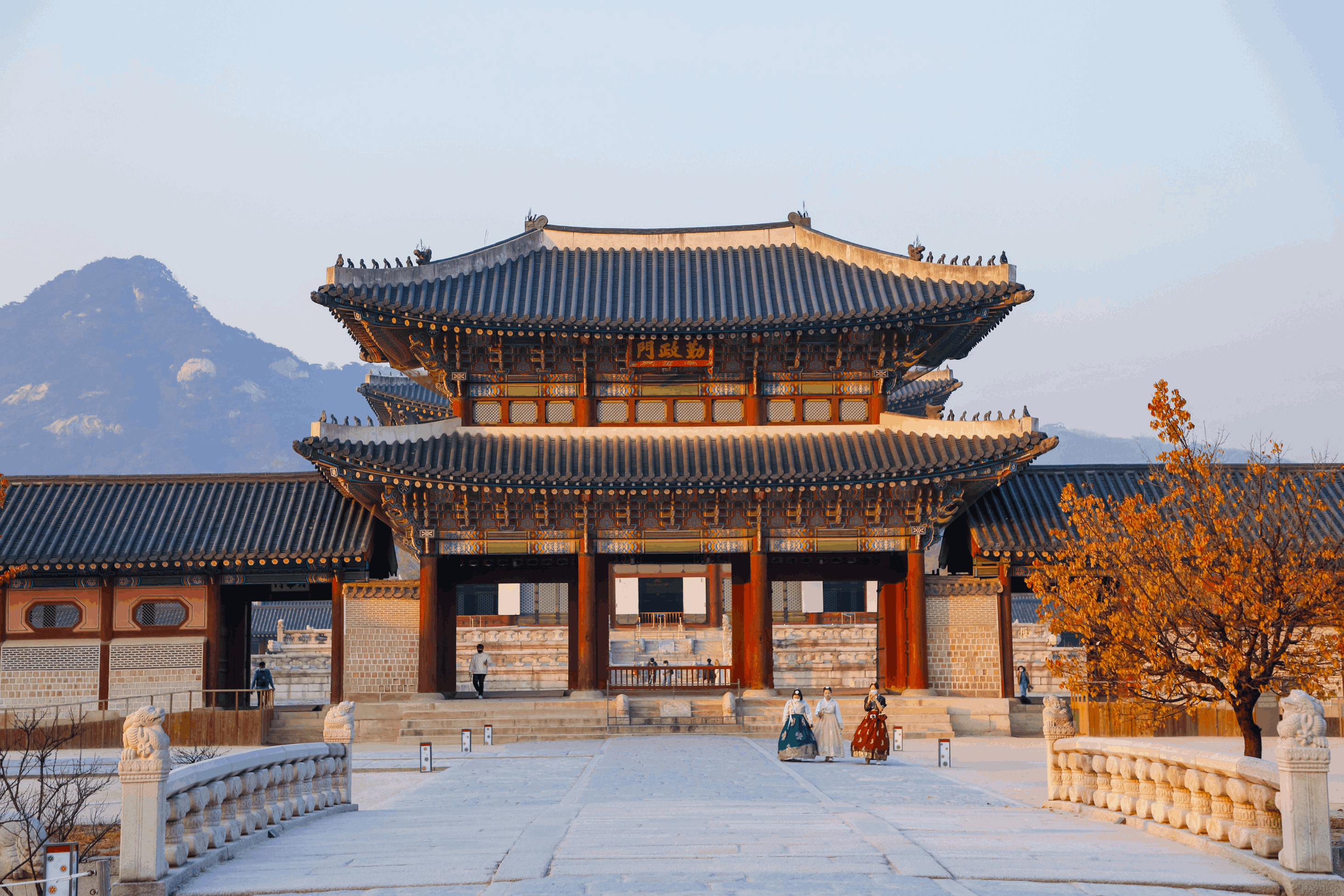
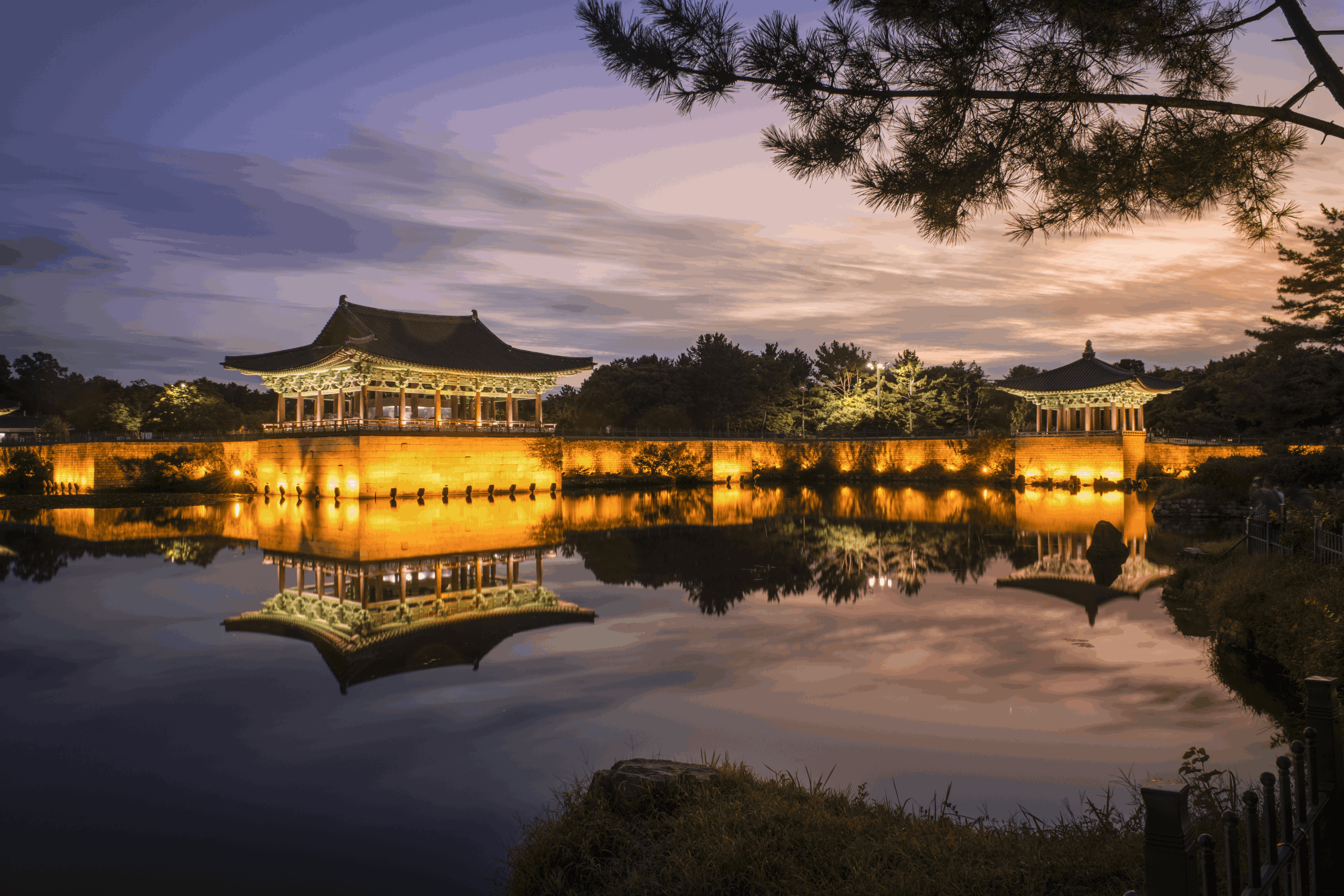
South Korea blends cutting‑edge technology with deep historical roots. Seoul’s skyline features futuristic architecture, extensive subway networks, and vibrant cultural districts, while ancient palaces like Gyeongbokgung evoke Korea’s royal past. Beyond cities, landscapes include misty mountains, tranquil temples, coastal islands, and green national parks.
South Korea is celebrated for pop culture, including K‑pop and K‑dramas, as well as traditional arts like hanbok dress, pottery, and calligraphy. Food markets, night streets, and cafe culture make urban travel exciting, while scenic hiking trails and seaside villages offer tranquil escapes.
South Korea at a glance
Seoul
51 million
South Korean Won (KRW)
Korean
+82
Type C & F (European 2-pin)
GMT +9
Our South Korea tours and holidays
Learn more about South Korea
South Korea experiences four distinct seasons, including warm summers and cold winters. Spring and autumn are widely considered the most pleasant times to visit.
The best months to visit are April to June and September to November, when temperatures are mild and the scenery is beautiful with cherry blossoms in spring and colorful foliage in autumn. Summers from June to August can be hot and humid with occasional monsoon rains.
7–12 days
South Korea supports travelers with advanced infrastructure:
- High‑speed trains (KTX)
- Domestic flights and buses
- Guided heritage tours
- Museum and cultural experiences
- Hiking and national park excursions
- Hotels and guesthouses
Korean history spans millennia, with kingdoms like Gojoseon and Joseon shaping identity. Buddhism and Confucianism heavily influenced social structure, architecture, and ceremonies, visible in temples and royal palaces. Japanese occupation in the early 20th century left deep historical marks, followed by division into North and South Korea after World War II.
Modern Korea rose as a global technology and culture hub, blending traditions with innovation. Festivals celebrate hanbok, music, food, and heritage, and traditional arts thrive alongside contemporary design and technology. Museums and preserved historic districts offer insights into Korea's layered past and evolving cultural identity.
South Koreans value community, respect for elders, and celebration of seasonal festivals. From tea ceremonies to modern art exhibits, travelers experience an engaging mix of old and new.
ATMs and credit cards are widely accepted; carry cash for small markets.
South Korean cuisine is bold, spicy, and communal:
- Kimchi – Fermented vegetables
- Bibimbap – Mixed rice with vegetables and meat
- Bulgogi – Marinated BBQ beef
- Tteokbokki – Spicy rice cakes
- Korean BBQ – Grill at your table
- Banchan – Assorted side dishes
South Korea FAQs
Do I need a visa to travel to South Korea? Many nationalities can visit visa‑free for up to 90 days; check requirements for your passport.
Do I need to purchase travel insurance before travelling? Yes. Insurance is recommended for emergencies, medical coverage, and travel interruptions.
Is tipping customary in South Korea? No. Tipping is not common and not expected.
Can I drink the water in South Korea? Yes. Tap water is safe to drink.
What is the internet access like in South Korea? One of the world’s fastest and most reliable networks, with widespread Wi‑Fi.
Can I use my mobile in South Korea? Yes. Excellent coverage; local SIMs and eSIMs are available.
How do I stay safe and healthy while travelling? South Korea is very safe; follow local rules and health guidance.
Are Soca Islands trips accessible for travelers with disabilities? Accessibility is strong in urban areas; some historic sites may be limited.