
Peru Group Tours
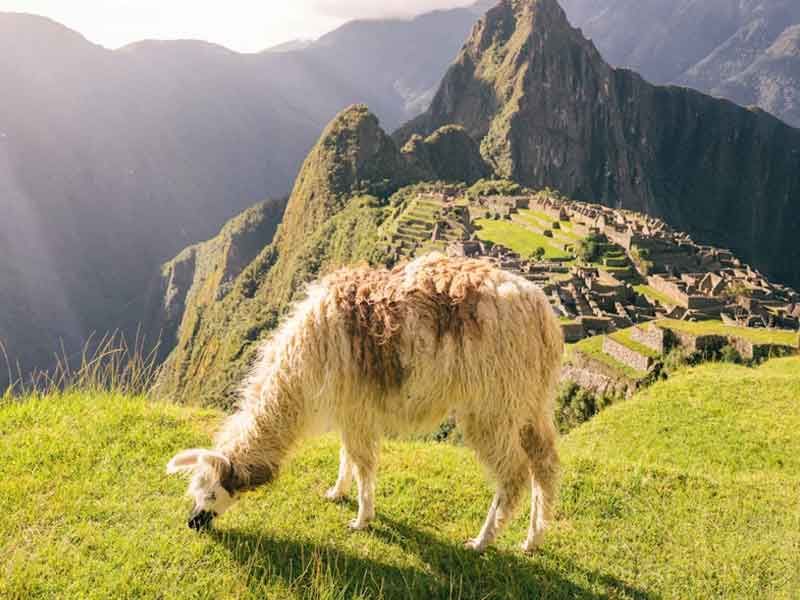
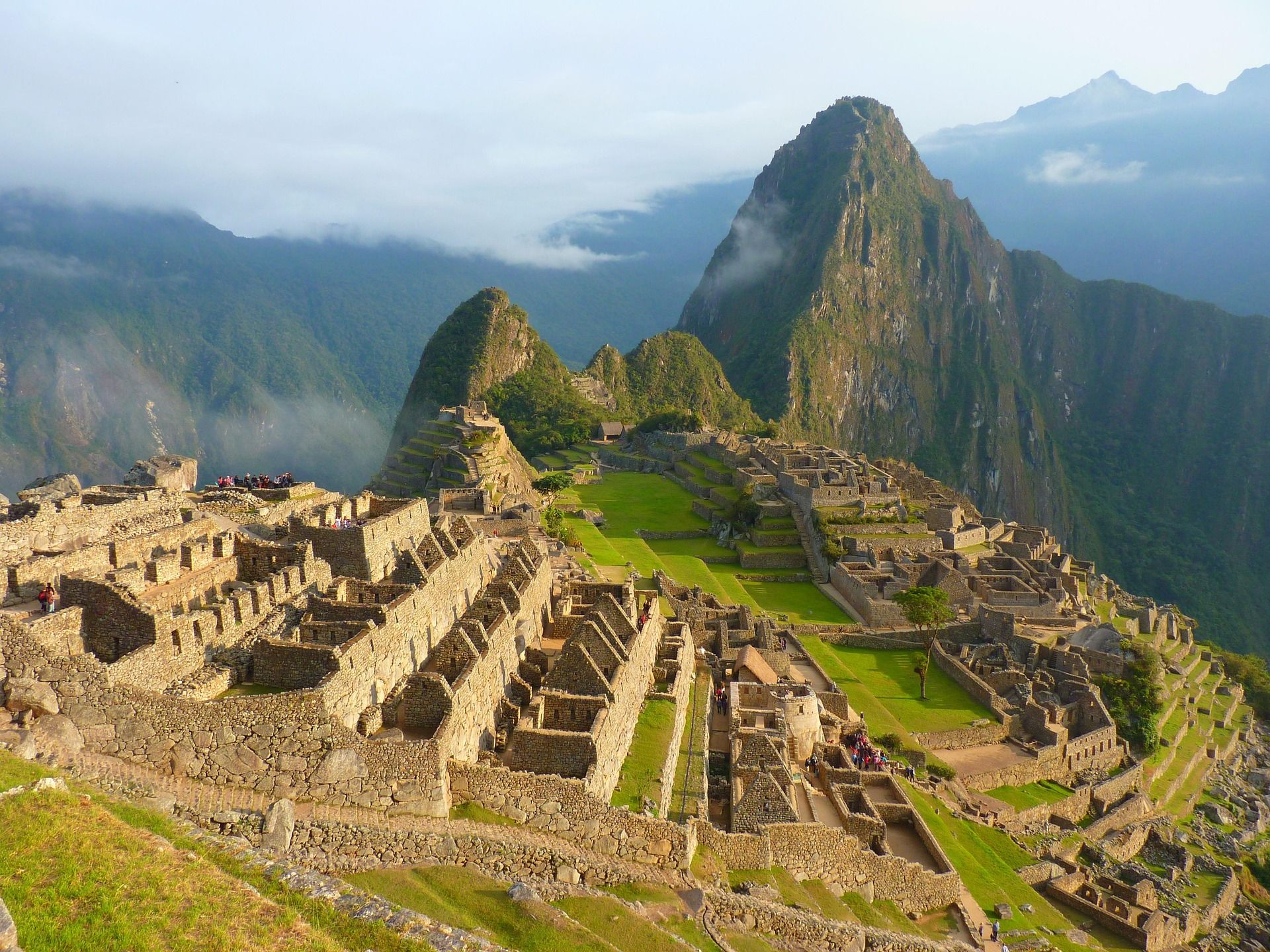
Peru is one of South America’s most layered destinations, combining ancient history, dramatic Andean scenery, Amazon biodiversity, major cultural cities, desert coastlines, and a world-renowned food scene in one country. It appeals strongly to travelers seeking iconic archaeology such as Machu Picchu, but its value goes far beyond that single attraction.
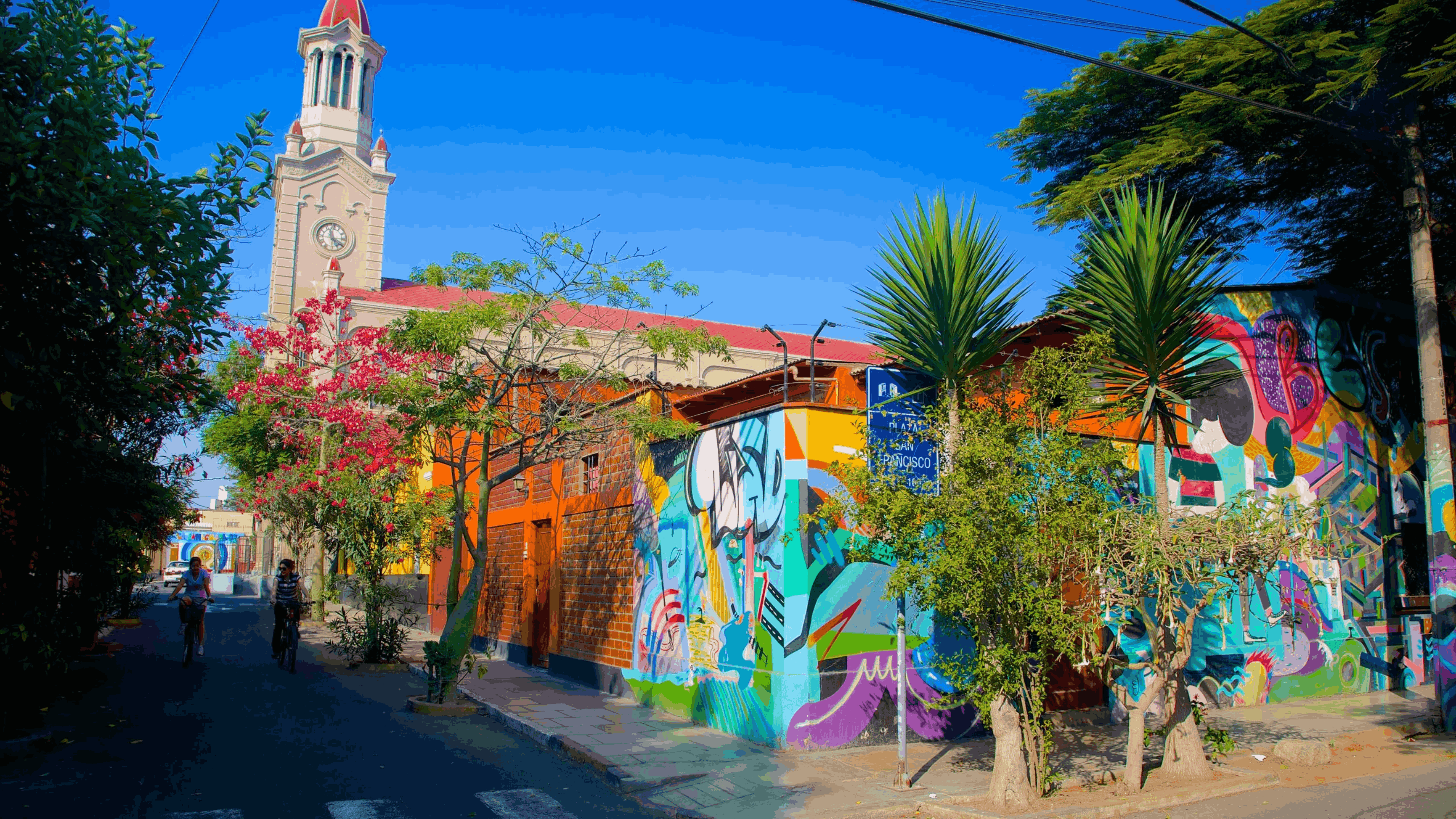
Peru offers a rich mix of mountain landscapes, traditional highland communities, colonial cities, sacred valleys, Amazon experiences, and regional culinary traditions that make the country feel both historically profound and geographically dramatic. Travelers interested in Indigenous heritage, textiles, local markets, trekking, architecture, and traditional foodways often find Peru especially rewarding because so many of these experiences remain active, visible, and central to daily life rather than being presented only as part of the past.
As a destination, Peru works well for travelers who want a trip with strong cultural meaning, visual impact, and a sense of connection to both ancient civilization and living tradition.
Peru at a glance
Lima
34 million
Peruvian Sol (PEN)
Spanish
+51
Type A & C plugs
Peru Time (UTC-5)
Our Peru tours and holidays
Learn more about Peru
Peru’s official tourism guidance notes that the ideal window depends on the region, but April to October is generally favored for classic itineraries, especially where dry conditions are important, while the coast is especially appealing in the sunnier summer months.
10 to 14 days is a strong tour-planning recommendation, as it gives travelers enough time to combine Lima with the Andes and major highlights such as Cusco and Machu Picchu, with room to add the Sacred Valley, Lake Titicaca, or the Amazon.
Peru offers a broad tourism infrastructure that includes domestic transport, tourist train routes, hotels and guesthouses across different comfort levels, guided cultural and adventure experiences, and official tourist information through IPERÚ. The country is well set up for travelers following classic routes between major destinations, especially those linking Lima, Cusco, the Sacred Valley, Machu Picchu, and other well-known sites, but it also provides options for travelers looking to explore beyond the main circuit. Flights, buses, and rail services play an important role in helping visitors move across Peru’s varied geography, while guided services are widely available for archaeology, trekking, food experiences, city tours, and nature-based travel. Accommodation ranges from simple local stays to upscale properties, making Peru workable for different budgets and travel styles. Overall, its tourism network is strong enough to support both structured itineraries and more independent travel, especially in the country’s most visited cultural and scenic regions.
Peru’s story stretches from ancient civilizations that developed thousands of years ago to the Inca world and later the Spanish colonial period, and that long historical arc is still visible in its languages, architecture, festivals, textiles, and cuisine. The country’s cultural identity is especially powerful because Indigenous traditions remain living, visible, and central to the visitor experience rather than existing only as part of the distant past. In many parts of Peru, travelers can still encounter traditional dress, Quechua and other Indigenous languages, weaving practices, agricultural customs, ceremonial traditions, and community life that reflect deep historical continuity. This gives Peru a particularly strong sense of cultural depth, where ancient heritage and modern national life exist side by side. From monumental archaeological sites to colonial city centers and highland communities, Peru offers a cultural experience that feels layered, rooted, and highly distinctive, shaped by both historical legacy and the endurance of Indigenous identity across generations.
The sol is the official currency, with standard notes and coins in wide circulation; ATMs in Peru’s main cities dispense soles and U.S. dollars and accept major cards, and official guidance advises travelers to exchange money through proper services rather than on the street.
Excellent dishes to feature include ceviche, lomo saltado, causa, ají de gallina, anticuchos, and other regional specialties that show why Peruvian gastronomy is so widely celebrated.
Peru FAQs
Do I Need a Visa to Travel to Peru?
Visitors from many countries do not require a visa for short tourist visits to Peru. This includes travellers from Australia, Canada, Ireland, New Zealand, South Africa, the United Kingdom, the United States, and most European Union nations.
Tourists are typically allowed to stay for up to 90 days within a 180-day period, though the exact length of stay is determined by immigration officials upon arrival. Visitors must have a valid passport and may be asked to show proof of onward or return travel.
Entry requirements can change, so we recommend checking with your nearest Peruvian embassy or consulate before travelling.
Is Tipping Customary in Peru?
Tipping is not mandatory in Peru but is appreciated for good service. In restaurants, travellers commonly leave a tip of around 10% if a service charge has not already been included.
It is also common to tip hotel staff, drivers, and tour guides, especially during guided tours or longer excursions.
What Is the Internet Access Like in Peru?
Wi-Fi is widely available in hotels, cafés, restaurants, and many public spaces in cities such as Lima and Cusco.
Internet connections are generally reliable in urban areas, though speeds may be slower in rural regions, mountain villages, or in the Amazon rainforest.
Can I Use My Mobile Phone in Peru?
Peru has reliable mobile coverage in most cities and major tourist destinations.
Travellers can activate international roaming through their mobile provider or purchase a local SIM card upon arrival for more affordable data and call rates.
What Are the Toilets Like in Peru?
Most hotels, restaurants, and tourist facilities have modern flush toilets.
In some older buildings and rural areas, toilet paper may need to be placed in a bin rather than flushed. Carrying tissues or hand sanitizer can also be helpful when travelling outside major cities.
Can I Drink the Water in Peru?
Tap water in Peru is NOT recommended for drinking.
Travellers are advised to drink bottled or filtered water. It is also wise to avoid ice in smaller establishments and peel fruits and vegetables before eating.
Are Credit Cards Widely Accepted?
Credit cards are widely accepted in major cities and tourist areas.
However, smaller shops, markets, taxis, and rural destinations often prefer cash payments, so it is helpful to carry some Peruvian soles.
What Is ATM Access Like in Peru?
ATMs that accept international debit and credit cards are widely available in cities and tourist centres.
If you plan to travel to smaller towns or remote regions, it is advisable to withdraw cash beforehand as ATM access may be limited.
Do I Need Travel Insurance?
Soca Islands strongly recommends that all travellers purchase travel insurance before departure.
Your policy should ideally cover medical expenses, emergency evacuation and repatriation, trip cancellation or interruption, and lost or delayed baggage.
Staying Safe and Healthy While Travelling
At Soca Islands, the safety and wellbeing of our travellers is a top priority. Before travelling, we recommend reviewing travel advisories from your government and checking health guidance from the World Health Organization. Ensuring routine vaccinations are up to date can help you travel with confidence.