Mexico Group Tours
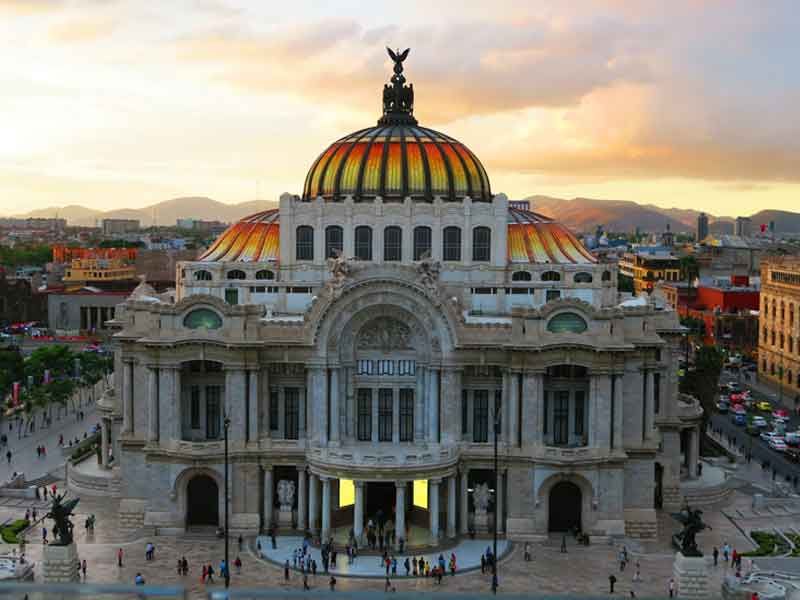
Mexico is one of the most diverse destinations in the region, offering an exceptionally wide travel experience that ranges from major metropolitan cities and high-end beach resorts to colonial towns, Indigenous communities, archaeological zones, mountain regions, and desert landscapes.
This variety makes it one of the strongest all-round destinations for travelers with very different interests, whether they are looking for cultural exploration, luxury relaxation, food-focused travel, nightlife, nature, or a multi-stop itinerary across different regions. Visitors can move from world-famous urban centers like Mexico City to historic inland towns, then onward to Caribbean or Pacific coastal destinations, all within one country.
Mexico’s depth lies not only in the range of places it offers, but also in how strongly each region has its own character, traditions, cuisine, architecture, and atmosphere, making the country feel layered, varied, and highly rewarding to explore over multiple trips or one longer journey.
Mexico at a glance
Mexico City
130 million
Mexican peso (MXN)
Spanish, with more than 50 Indigenous languages spoken across the country.
+52
Type A & B
Central Time (UTC-6)
Our Mexico tours and holidays

Learn more about Mexico
Official tourism guidance broadly divides the country into a dry season from November to April and a rainy season from May to October, making the November to April period the most straightforward overall planning window for many itineraries.
10 to 14 days is a strong recommendation for Mexico, because the country is large and regionally diverse, and that timeframe gives travelers enough space to combine a major city stay with beach, food, heritage, or archaeological experiences
Mexico offers extensive tourism services, including a wide range of accommodation options, organized tours, domestic flights, authorized airport taxis, intercity buses, car rentals, and many transport choices for moving between cities, resort areas, archaeological sites, and smaller towns. Its tourism infrastructure is one of the strongest in the region, which makes it relatively accessible for both first-time visitors and more independent travelers planning multi-destination trips. In major cities and popular tourist zones, travelers can usually find guided day tours, airport transfer services, hotel networks, local excursion companies, and online booking options with relative ease. Resort destinations are especially well equipped with visitor services, while larger cities also provide strong connections by air and road to other parts of the country. This broad service network makes Mexico suitable for travelers seeking anything from a simple resort stay to a more complex itinerary involving culture, food, beaches, and inland historical sites.
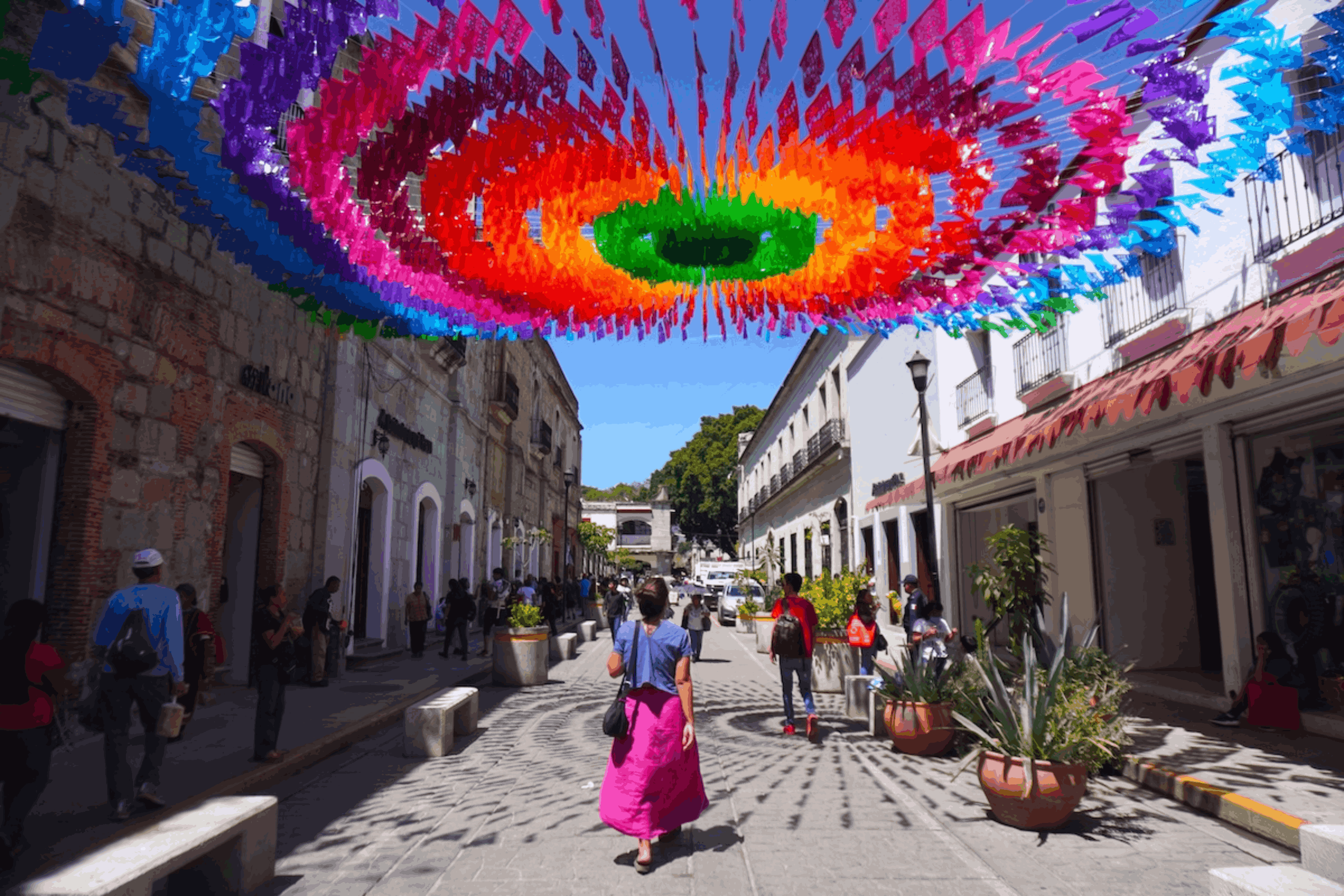
Mexico’s culture is shaped by major Indigenous civilizations, especially the Maya and other pre-Hispanic peoples, as well as by Spanish colonial heritage and strong living traditions that continue to define local identity today. What makes Mexico especially compelling is that this history is not confined to museums or archaeological sites, but remains deeply visible in everyday life through language, food, religious celebrations, crafts, music, markets, and regional customs. Visitors encounter this blend through monumental ruins, colonial churches and plazas, traditional festivals, artisan communities, and local practices that differ significantly from one region to another. Major cultural celebrations such as Day of the Dead reflect the country’s ability to preserve and reinterpret tradition in ways that remain meaningful and widely recognized. Mexican identity is also strongly regional, which means the culture feels layered rather than uniform, with different states and communities maintaining their own expressions of cuisine, dress, folklore, and social life. Great foods to include are tacos al pastor, mole, tamales, pozole, tlayudas, and many other regional specialties that show the extraordinary depth, history, and diversity of Mexican cuisine.
Mexican pesos are the only official currency, and carrying some pesos in cash is important for smaller daily purchases. Credit and debit cards are widely accepted in bigger towns, cities, and tourist areas, and exchange houses, banks, and ATMs are widely available; tipping of around 10% to 15% is customary in restaurants and bars.
Mexico’s food scene is one of the strongest in the world, with must-try dishes including tacos al pastor, tamales, moles, tlayudas, memelas, pozole, and many other regional specialties that vary from one state to another.
Mexico FAQs
Do I Need a Visa to Travel to Mexico?
Visitors from many countries do not require a visa for short tourist visits to Mexico. This includes travellers from Australia, Canada, Ireland, New Zealand, South Africa, the United Kingdom, the United States, and most European Union nations.
Tourists are typically allowed to stay for up to 180 days, although the final length of stay is determined by immigration officials upon arrival.
Entry requirements may change, so travellers should confirm the latest requirements with a Mexican embassy or consulate before travelling.
Is Tipping Customary in Mexico?
Tipping is customary in Mexico. In restaurants, a gratuity of 10–15% is standard if a service charge has not already been included.
Travellers also commonly tip hotel staff, drivers, and tour guides.
What Is the Internet Access Like in Mexico?
Wi-Fi is widely available in hotels, restaurants, cafés, and public areas in cities such as Mexico City and popular tourist destinations.
Internet speeds are generally reliable in urban areas but may vary in rural locations.
Can I Use My Mobile Phone in Mexico?
Mexico has extensive mobile coverage across cities, highways, and most tourist destinations.
Travellers can activate international roaming with their provider or purchase a local SIM card upon arrival.
What Are the Toilets Like in Mexico?
Most hotels and tourist facilities have modern flush toilets.
In some older buildings or rural areas, toilet paper may need to be placed in a bin rather than flushed.
Can I Drink the Water in Mexico?
Tap water in Mexico is generally not recommended for drinking.
Travellers should drink bottled or purified water during their stay.
Are Credit Cards Widely Accepted?
Credit cards are widely accepted in hotels, restaurants, and larger businesses.
However, smaller shops, taxis, and markets often prefer cash, so carrying Mexican pesos is recommended.
What Is ATM Access Like in Mexico?
ATMs accepting international cards are widely available in cities and tourist areas.
Travellers should withdraw cash from ATMs located inside banks or shopping centres for added security.
Do I Need Travel Insurance?
Soca Islands strongly recommends purchasing travel insurance before departure to cover medical expenses, trip cancellations, and unexpected travel disruptions.
Staying Safe and Healthy While Travelling
Before travelling, review travel advisories and consult health guidance from the World Health Organization to ensure routine vaccinations and travel precautions are up to date.