
Cuba Group Tours
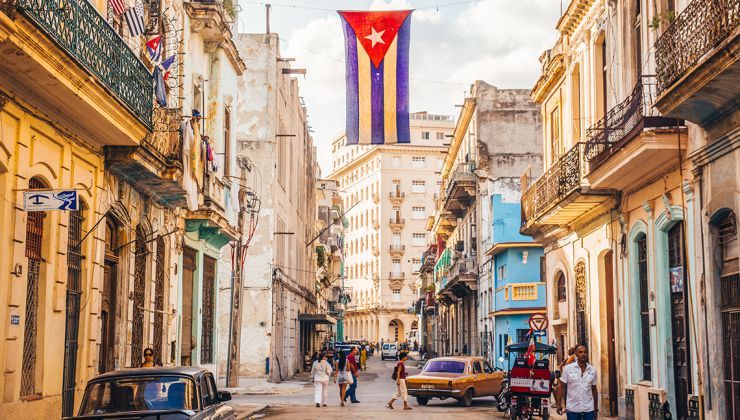
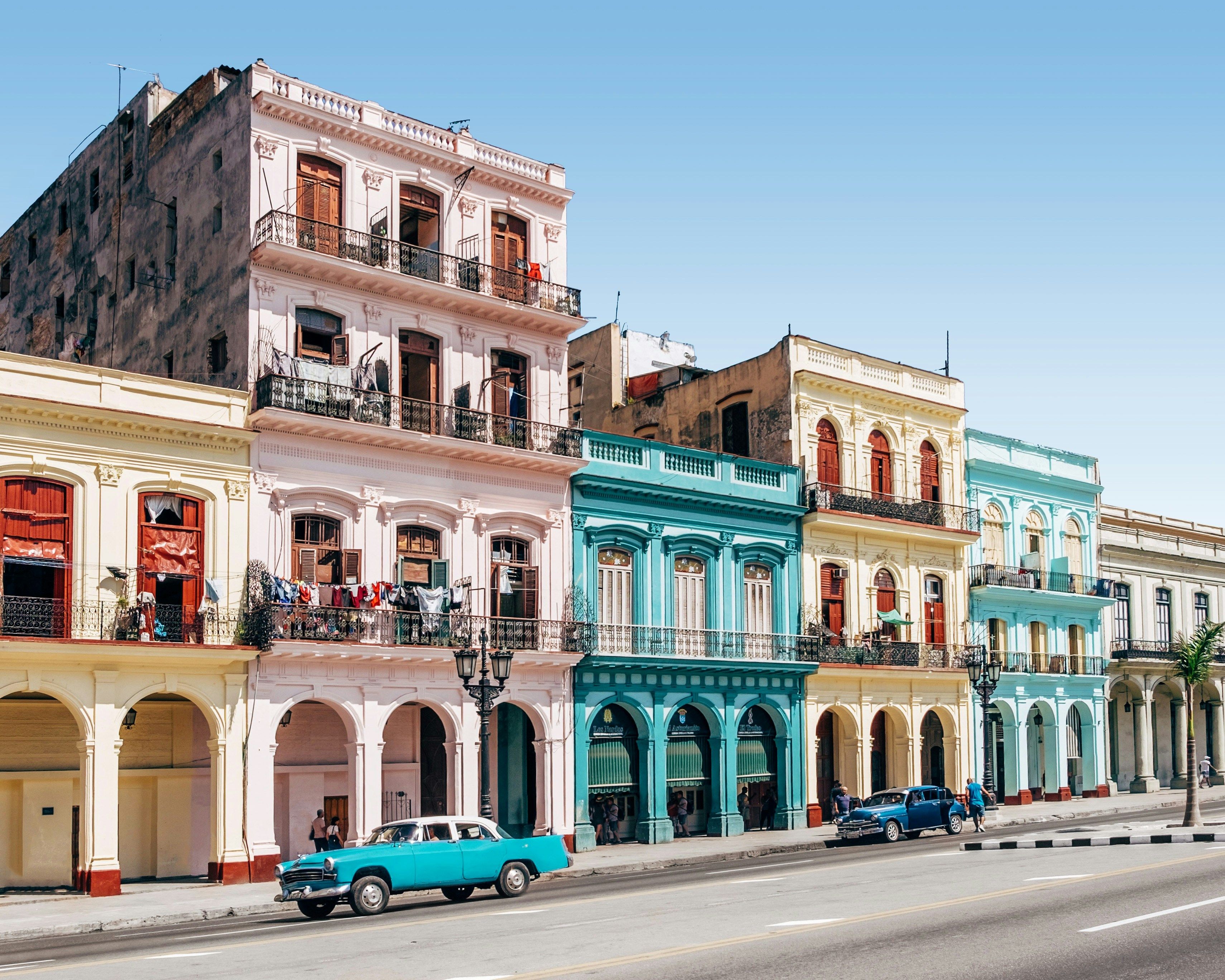
Cuba is a vibrant Caribbean island nation, rich in history, culture, and natural beauty. From the colorful streets and colonial architecture of Havana to the lush valleys of Viñales and the pristine beaches of Varadero and the Cayos, Cuba offers a wide variety of travel experiences in a relatively compact country.
Cuba appeals to travelers with diverse interests, whether they are drawn to cultural exploration, music and dance, historical immersion, tropical relaxation, or a mix of all three. Visitors can move seamlessly from bustling cities with classic cars and vibrant street life to rural towns, tobacco plantations, and turquoise coastal waters, experiencing a vivid contrast of sights, sounds, and flavors.
What sets Cuba apart is the way its history and culture permeate everyday life. The island’s Spanish colonial architecture, Afro-Cuban traditions, revolutionary history, salsa music, and iconic rum bars create a layered and immersive experience. Each region has a distinct character from the jazz-filled streets of Santiago de Cuba to the cigar-growing landscapes of Pinar del Río offering a rich and rewarding journey for first-time and returning travelers alike.
Cuba at a glance
Havana
11 million
Cuban Pesos (CUP)
Spanish
+53
Type A & B plugs
Eastern Time Zone
Our Cuba tours and holidays
Learn more about Cuba
Cuba’s dry season, running from November to April, is the most popular time for travelers, offering warm, sunny days with minimal rainfall. The rainy season from May to October brings occasional tropical showers and higher humidity, but also fewer tourists and lower rates.
A 7–12 day trip is ideal to experience Cuba fully. This timeframe allows visitors to explore Havana’s historic streets, venture into the countryside, enjoy coastal towns, and relax on Caribbean beaches, without feeling rushed.
Cuba offers a range of tourism services, though infrastructure can differ from other Caribbean destinations. Hotels and boutique guesthouses (casas particulares) provide accommodations across all budgets. Organized tours, cultural experiences, and transportation options including domestic flights, buses, taxis, and car rentals make it possible to explore urban centers, rural towns, and remote beaches.
Visitors can find guided excursions for salsa lessons, tobacco farm visits, music workshops, and historic city tours. While some services may require advanced booking, Cuba’s tourism network is sufficient for both independent travelers and those preferring structured itineraries.
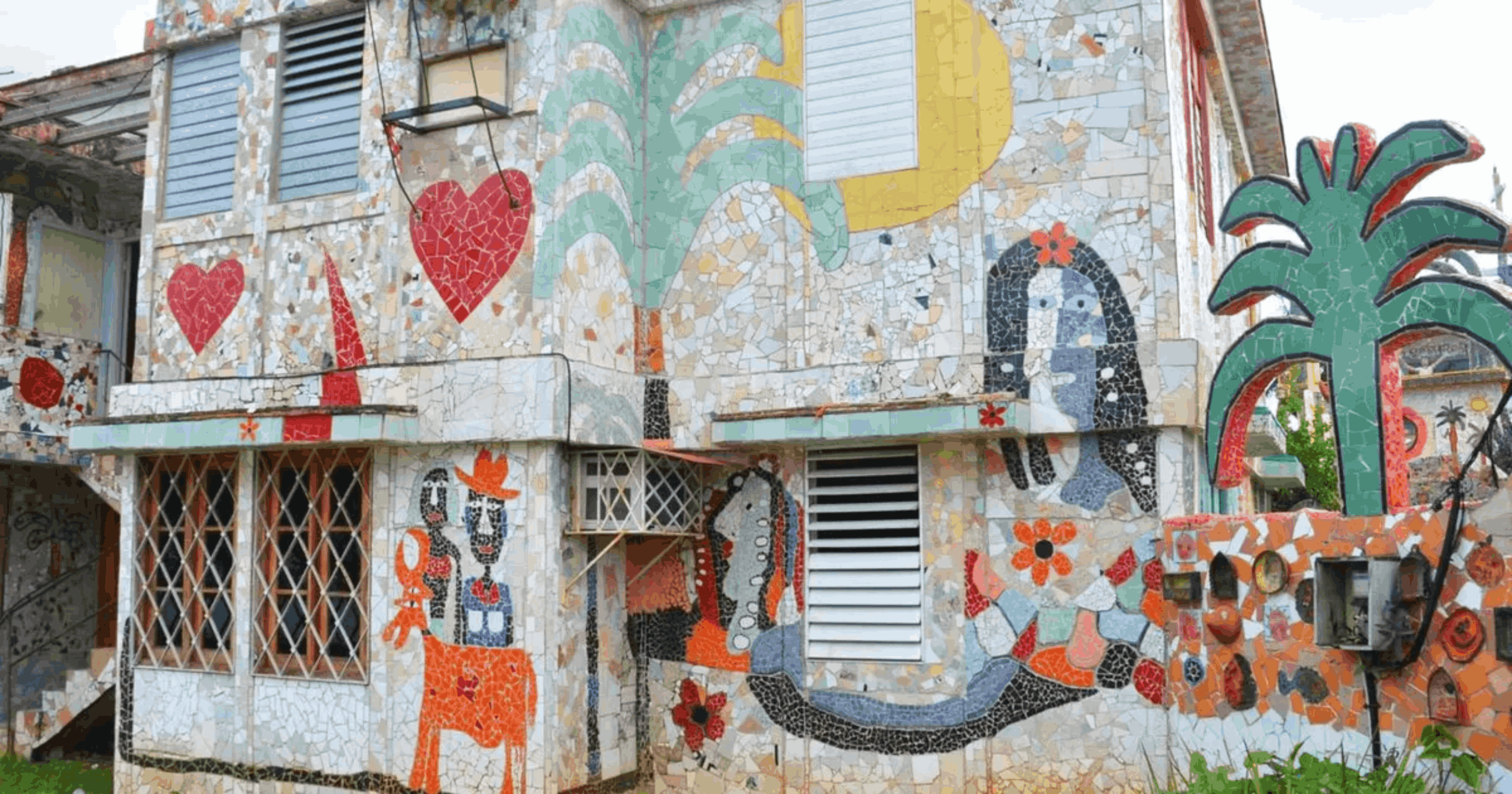
Cuba’s culture is a fusion of Indigenous roots, Spanish colonial influence, African heritage, and revolutionary history. This blend is reflected in music, dance, art, festivals, and cuisine. Havana’s colonial squares, Trinidad’s cobblestone streets, and Santiago de Cuba’s Afro-Cuban celebrations all illustrate the country’s layered history.
Music and dance are central to Cuban life, from the rhythms of salsa and rumba to live jazz in intimate bars. Local crafts, cigars, and rum production remain vital cultural touchpoints, and traditional festivals such as Carnival in Santiago and Havana’s Bienal showcase the island’s artistic vitality.
Cuban cuisine is flavorful and regionally distinct, featuring dishes like ropa vieja, lechón asado, tostones, and fresh seafood paired with tropical fruits and local rum cocktails. Every meal is an opportunity to experience the island’s culinary heritage.
The Cuban Peso (CUP) is the local currency for daily transactions, while the Convertible Peso (CUC) is often used in tourist areas. Cash is essential, as credit and debit cards may not be widely accepted outside major hotels and businesses. Tipping is customary in restaurants, bars, and for tour guides, with 10–15% considered standard.
Must-try dishes include ropa vieja (shredded beef stew), lechón asado (roast pork), tostones (fried plantains), yuca con mojo (cassava with garlic sauce), and fresh seafood. Cuban sandwiches, tropical fruits, and local cocktails such as mojitos and daiquiris are also highly recommended.
Cuba FAQs
Do I Need a Visa to Travel to Cuba? Most visitors require a tourist card (visa) to enter Cuba. Citizens from countries such as the United States, Canada, the UK, EU nations, Australia, and New Zealand generally can obtain a tourist card prior to arrival or through airlines. Check the latest entry requirements with Cuban authorities before traveling.
Is Tipping Customary in Cuba? Yes. Tips of 10–15% are standard in restaurants and for services like taxis, guides, and hotel staff.
What Is the Internet Access Like in Cuba? Wi-Fi is available in hotels, some cafes, and public hotspots, though speeds can be slower than in other countries. Many travelers use prepaid internet cards to access online services.
Can I Drink the Water in Cuba? Tap water is generally not recommended for drinking. Bottled or filtered water is advised.
Are Credit Cards Widely Accepted? Major hotels and tourist-focused businesses accept some international credit cards, but smaller shops and markets usually require cash. Carrying CUP or CUC is recommended.
Do I Need Travel Insurance? Yes. Cuba requires travelers to have medical insurance coverage during their stay. Purchasing insurance prior to departure is strongly advised.