
Costa Rica Group Tours
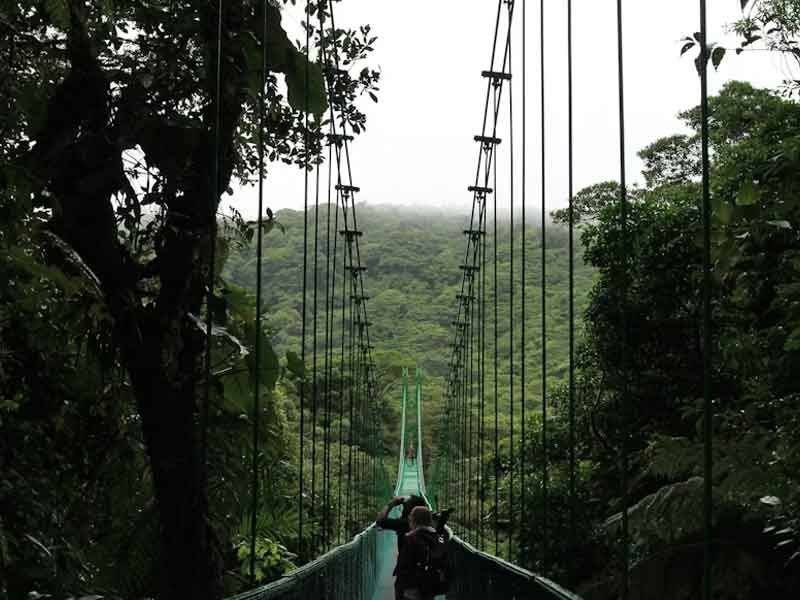
Costa Rica is widely regarded as one of Central America’s strongest all-round destinations because it offers a balanced mix of natural beauty, adventure, relaxation, and responsible tourism in a way that appeals to many different types of travelers. The country is especially known for its lush rainforests, active volcanoes, rich biodiversity, and beautiful beaches along both the Pacific and Caribbean coasts, giving visitors the chance to experience very different landscapes within a relatively small area.
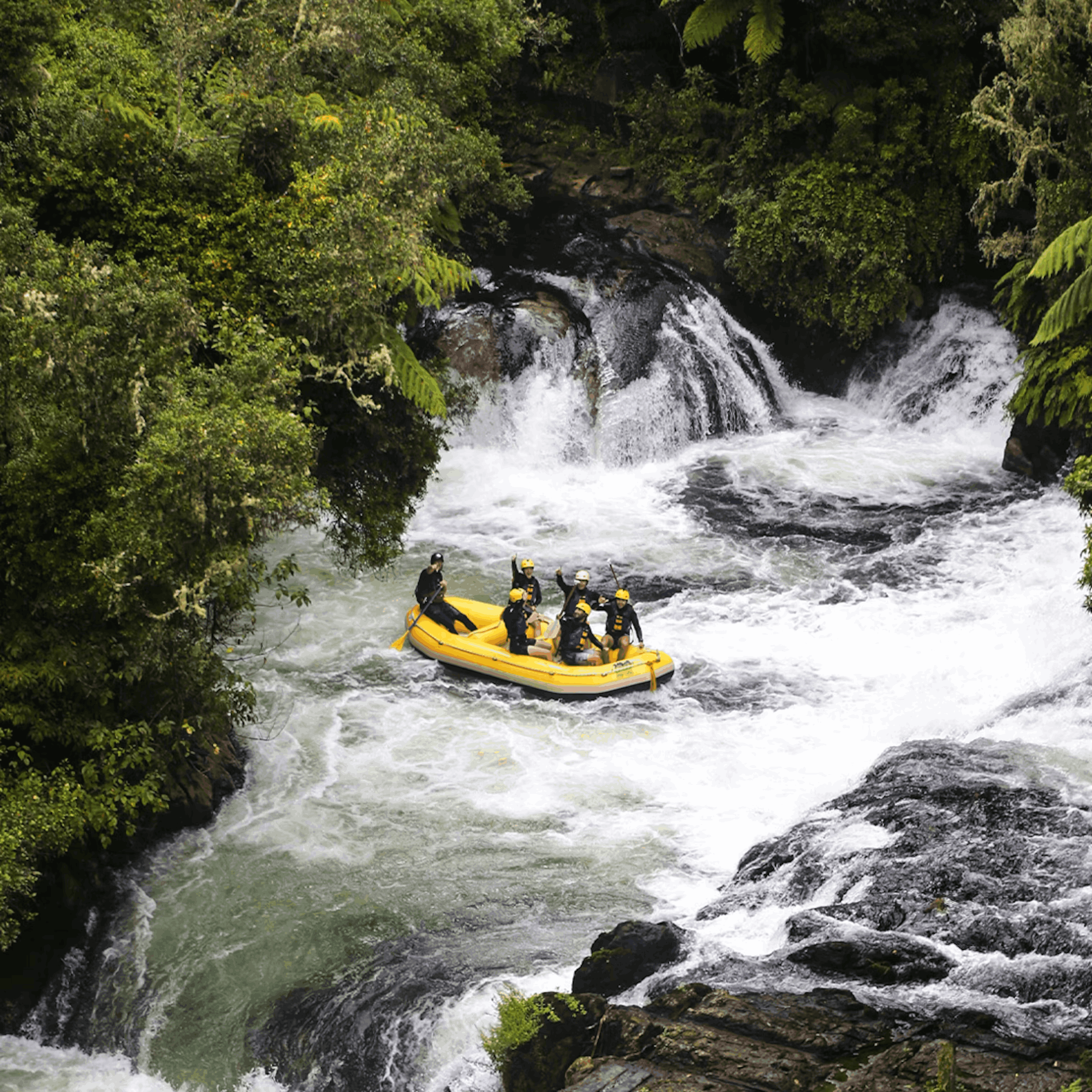
Its national parks and protected reserves are a major part of its appeal, providing opportunities to see wildlife such as sloths, monkeys, toucans, sea turtles, and colorful frogs in their natural habitats. Beyond sightseeing, Costa Rica is also a leading destination for soft adventure, with popular activities including zip-lining, hiking, surfing, white-water rafting, waterfall visits, hot springs, and nature walks. At the same time, it has built a strong reputation for wellness and eco-conscious travel, with many visitors drawn to its peaceful atmosphere, jungle lodges, yoga retreats, thermal spas, and commitment to sustainability and conservation.
A key part of Costa Rica’s appeal is its well-known “pura vida” lifestyle, a phrase that reflects a relaxed, positive, and welcoming approach to life that has become closely tied to the country’s image. This identity helps give Costa Rica a warm and laid-back brand, making it attractive not only to adventure seekers and nature lovers, but also to couples, families, solo travelers, and anyone looking for a trip that feels both refreshing and memorable.
Costa Rica at a glance
San José
5.1m
The Colón (CRC)
Spanish
+506
Type A & B plugs
Central Standard Time (UTC-6)
Our Costa Rica tours and holidays
Learn more about Costa Rica
Costa Rica’s two main seasons are the dry season from mid-December to late April and the green season from May through mid-December, though exact conditions vary by region.
7 to 10 days works especially well for first-time travelers, giving enough time to combine rainforest, volcano, wildlife, and beach experiences without making the trip feel overly rushed.
Costa Rica has a very developed tourism setup, with accommodation, airlines, rental cars, tour guides, tour operators, and a wide choice of excursions and itineraries supported through the national tourism board.
Costa Rica’s culture is shaped by a blend of Indigenous roots, Spanish colonial influence, and a modern national identity centered on democracy, education, environmental stewardship, and relative social stability. While Indigenous communities formed the earliest foundations of the region’s history and cultural heritage, Spanish colonization introduced language, religion, architecture, and many social traditions that continued to shape the country over time. In the modern era, Costa Rica developed a reputation that sets it apart within the region, with a strong emphasis on civic institutions, political continuity, and investment in public welfare. Education has long been valued as an important part of national development, and this has contributed to the country’s image as one of the more stable and organized societies in Latin America. Costa Rica is also widely recognized for its commitment to conservation and sustainability, which has become not only a policy priority but also a major part of its identity at home and abroad. Another important feature of Costa Rican society is its multicultural character, influenced not only by Spanish and Indigenous heritage but also by Afro-Caribbean communities, immigrant populations, and regional cultural exchange.
The colón is the local currency, though U.S. dollars are also widely accepted; major credit cards are widely accepted as well, and ATMs are available throughout the country, which makes travel spending relatively straightforward for international visitors.
Must-try dishes include gallo pinto, casado, ceviche, Caribbean rice and beans, rondón, and other traditional meals that blend Indigenous ingredients, Spanish influence, and Afro-Caribbean flavor.
Costa Rica FAQs
Do I Need a Visa to Travel to Costa Rica?
Visitors from many countries do not require a visa for short tourist visits to Costa Rica. This includes travellers from countries such as Australia, Canada, Ireland, New Zealand, South Africa, the United Kingdom, the United States, and most European Union nations.
Tourists are typically allowed to stay for up to 90 days upon arrival, though the exact length of stay is determined by immigration officials. Visitors must have a valid passport and may be asked to show proof of onward or return travel.
Entry requirements can change, so we recommend checking with your nearest Costa Rican embassy or consulate before travelling.
Is Tipping Customary in Costa Rica?
Tipping is generally not required in Costa Rica because a 10% service charge is usually included in restaurant bills by law.
However, it is common for travellers to leave a small additional tip for exceptional service. Hotel staff, drivers, and tour guides may also be tipped if you receive particularly good service.
What Is the Internet Access Like in Costa Rica?
Wi-Fi is widely available throughout Costa Rica, especially in hotels, cafés, restaurants, and resorts in popular tourist areas such as San José, La Fortuna, and Manuel Antonio.
Internet speeds are generally reliable in cities and tourist hubs, although connections may be slower in remote rainforest regions or smaller coastal towns.
Can I Use My Mobile Phone in Costa Rica?
Costa Rica has a reliable mobile network with good coverage in most cities, towns, and major tourist destinations.
Before travelling, check with your mobile provider to activate international roaming or consider purchasing a local SIM card upon arrival for more affordable calls and mobile data.
What Are the Toilets Like in Costa Rica?
Most hotels, restaurants, and tourist facilities in Costa Rica have modern flush toilets similar to those in North America and Europe.
In rural areas, national parks, or remote destinations, facilities may be more basic. Carrying toilet paper and hand sanitizer can be helpful when travelling outside major tourist areas.
Can I Drink the Water in Costa Rica?
Tap water is generally safe to drink in most parts of Costa Rica, especially in cities and well-developed tourist areas.
However, in some rural regions travellers may prefer to drink bottled or filtered water as a precaution.
Are Credit Cards Widely Accepted?
Credit cards are widely accepted in Costa Rica at hotels, larger restaurants, supermarkets, and many tourist-oriented businesses.
Smaller shops, local restaurants, markets, and taxis may prefer cash payments, so it is a good idea to carry some local currency, the Costa Rican colón.
What Is ATM Access Like in Costa Rica?
ATMs that accept international debit and credit cards are widely available in cities and tourist areas throughout Costa Rica.
If you plan to travel to smaller villages or remote destinations, it’s wise to withdraw cash in advance, as ATM access may be limited outside major towns.
Do I Need Travel Insurance?
Soca Islands strongly recommends that all travellers purchase travel insurance before departure.
Your policy should ideally cover medical expenses, emergency evacuation and repatriation, trip cancellation or interruption, and lost or delayed baggage. Travel insurance helps protect you from unexpected costs and provides peace of mind while travelling.
Staying Safe and Healthy While Travelling
At Soca Islands, the safety and wellbeing of our travellers is a top priority. Our trips are designed to be safe, enjoyable, and inclusive, with experienced local guides and support throughout your journey.
Before travelling, we recommend checking travel advisories from your government, reviewing health guidance from the World Health Organization, and ensuring routine vaccinations are up to date. Travelling informed helps you enjoy the best possible experience in Costa Rica.