Brazil Group Tours

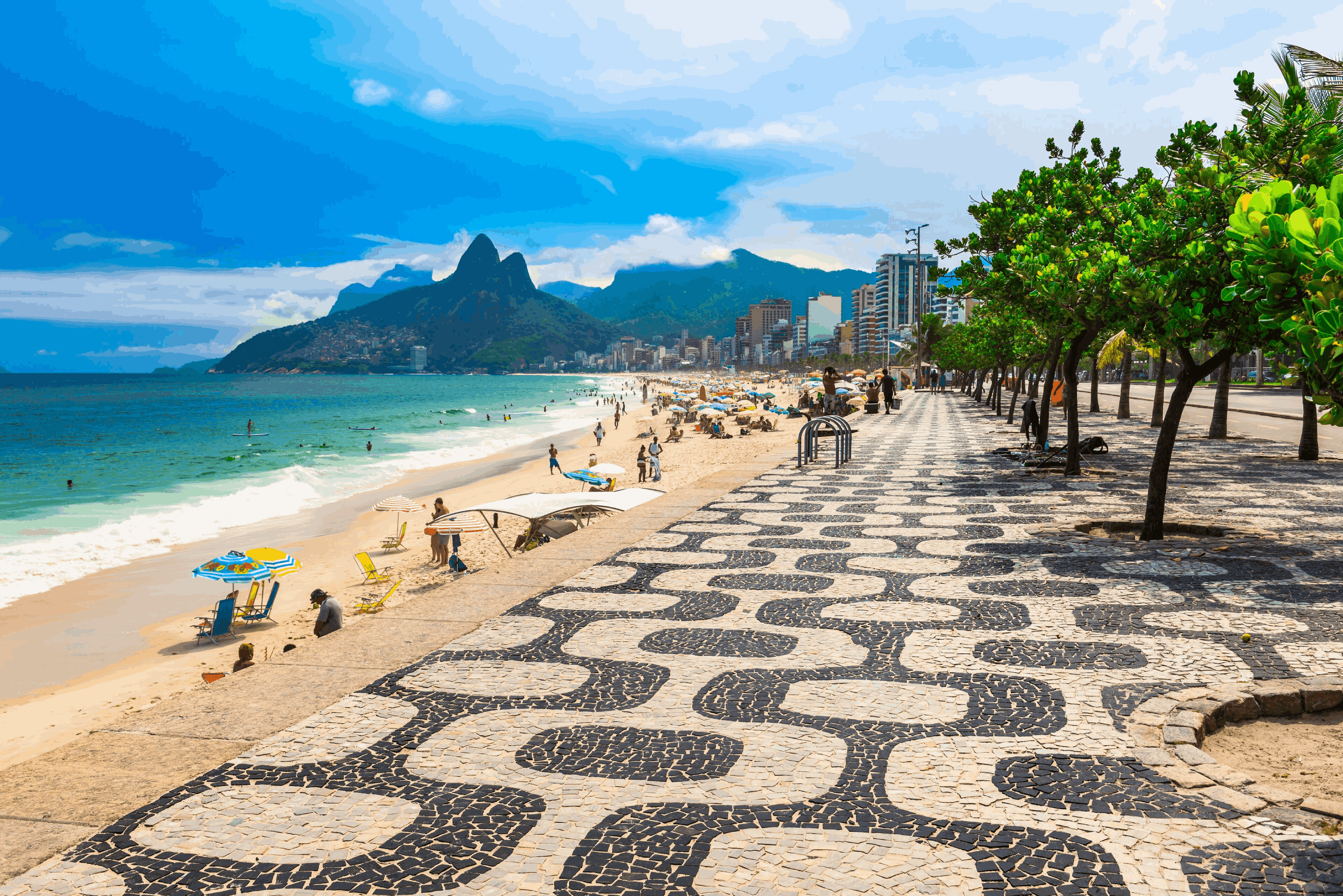
Brazil is the heartbeat of South America vibrant, expressive, and overflowing with life. In Rio de Janeiro, experience the city’s unmistakable energy through samba-filled streets, world-famous beaches like Copacabana and Ipanema, and iconic landmarks such as Christ the Redeemer overlooking the coastline. Beyond Rio, Brazil reveals a breathtaking mix of natural beauty, from lush rainforests and cascading waterfalls to tropical islands and dramatic landscapes that feel almost untouched.
In Salvador, the country’s Afro-Brazilian soul comes alive through powerful rhythms, flavorful cuisine, colorful colonial architecture, and traditions that have shaped Brazil’s identity for generations. Across the country, every region offers something distinct whether it’s lively festivals, rich cultural history, or moments of pure relaxation by the sea.
Brazil is a destination where music, nature, heritage, and celebration come together, creating an atmosphere that is both deeply rooted and endlessly exciting. It is this unique blend of passion, beauty, and diversity that makes Brazil one of the most unforgettable destinations in the world.
Brazil at a glance
Brasília
213m
Brazilian Real (BRL)
Portugese
+55
Type C & N plugs
Brasília time (UTC−03:00)
Our Brazil tours and holidays
Learn more about Brazil
The best time to visit Brazil is generally from May to September, when many parts of the country enjoy comfortable conditions for sightseeing, nature, and cultural exploration. Because Brazil is such a vast and diverse destination, the ideal travel window can vary by region summer (December to March) is perfect for beaches and tropical scenery, while winter (June to September) is especially appealing in the South. For travelers seeking Brazil’s most iconic celebration, Carnival held each year in February or March—is an unforgettable time to visit, especially in cities like Rio de Janeiro and Salvador. Spring and autumn are also excellent for destinations such as Rio and Iguaçu Falls, offering a well-balanced mix of scenery, culture, and outdoor experiences.
5 to 8 days gives travelers enough time to experience Brazil’s vibrant cities, beautiful coastline, and rich cultural highlights without feeling rushed.
Brazil offers a strong range of visitor services, including car rentals, taxis, private transfers, ride-hailing apps such as Uber and 99, long-distance buses, and extensive domestic flight connections through major airports. Accommodation options range from city hotels and boutique pousadas to beachfront resorts, vacation homes, eco-lodges, and immersive Amazon stays. Travelers will also find ATMs, currency exchange services, international card acceptance, local SIM and eSIM options, medical services, and tourist support services widely available in major cities and established tourism region.
Brazil’s culture is shaped by its Indigenous roots, Portuguese colonial history, African influence, and modern multicultural identity. Long before colonization, Indigenous peoples lived across the region with rich traditions, languages, and deep connections to the land. Portuguese rule began in the 1500s, and over time Brazil developed through a blend of European, African, and Indigenous influences, especially as millions of Africans were brought to the country during the transatlantic slave trade. Today, this cultural fusion is reflected in Brazil’s music, dance, food, religion, and festivals. The country is known for samba, Carnival, football, Afro-Brazilian traditions, and iconic landmarks such as Christ the Redeemer and the Amazon Rainforest. Overall, Brazil combines deep historical roots with vibrant modern energy, creating one of the most diverse and dynamic cultures in the world.
In Brazil, the currency is the Brazilian Real (BRL / R$). Currency exchange is available at banks, bureaux de change, travel agencies, and some authorized hotels, while international credit cards are accepted by most businesses serving tourists. Taxes are generally already included in displayed prices, and tipping is not mandatory, though around 10% is commonly left in restaurants and bars when a service charge has not already been added. International cards can also be used to withdraw reais from ATMs.
Brazil also has a strong digital payments culture. Apple Pay and Google Wallet tap-to-pay are supported in Brazil, and Pix is widely used for instant payments, operating 24/7 through participating banks and payment institutions. For travelers, it is still best to carry both cards and a small amount of cash for added convenience.
Brazil’s food culture is bold, diverse, and full of regional flavor. Must-try specialties include feijoada, pão de queijo, moqueca, acarajé, churrasco, coxinha, and brigadeiro, along with Amazonian and coastal dishes that showcase the country’s incredible culinary variety. From hearty comfort food to vibrant street snacks and seafood specialties, Brazil offers a food experience as dynamic and unforgettable as the destination itself.
Brazil FAQs
Do I Need a Visa to Travel to Brazil?
Visa requirements for visiting Brazil depend on your nationality.
Travellers from the United Kingdom, most European Union countries, and several other nations can visit visa-free for up to 90 days for tourism.
Travellers from countries such as the United States, Canada, and Australia are generally required to obtain an electronic visa (e-Visa) before travelling.
Entry requirements can change, so travellers should confirm the latest rules with a Brazilian embassy or consulate before departure.
Is Tipping Customary in Brazil?
In Brazil, restaurants commonly include a 10% service charge on the bill.
Additional tipping is optional but appreciated for exceptional service. Travellers may also tip hotel staff, drivers, and tour guides.
What Is the Internet Access Like in Brazil?
Wi-Fi is widely available in hotels, cafés, and restaurants in major cities such as Rio de Janeiro and São Paulo.
Internet speeds are generally reliable in urban areas but may be slower in remote regions such as the Amazon.
Can I Use My Mobile Phone in Brazil?
Brazil has extensive mobile coverage across cities and major travel routes.
Travellers can activate international roaming with their provider or purchase a local SIM card upon arrival.
What Are the Toilets Like in Brazil?
Most hotels and tourist facilities have modern flush toilets.
In some locations, toilet paper should be placed in a bin rather than flushed, particularly in older buildings.
Can I Drink the Water in Brazil?
Tap water in Brazil is generally not recommended for drinking.
Travellers are advised to drink bottled or filtered water during their stay.
Are Credit Cards Widely Accepted?
Credit cards are widely accepted in hotels, restaurants, and shops in major cities.
However, smaller businesses and markets may prefer cash payments, so carrying some Brazilian reais is recommended.
What Is ATM Access Like in Brazil?
ATMs that accept international cards are widely available in cities and tourist areas.
For safety, travellers are advised to withdraw cash from ATMs located inside banks or shopping centres.
Do I Need Travel Insurance?
Soca Islands strongly recommends that travellers purchase travel insurance before departure covering medical care, emergency evacuation, and trip interruptions.
Staying Safe and Healthy While Travelling
Before travelling, review travel advisories from your government and consult health guidance from the World Health Organization.