
Argentina Group Tours
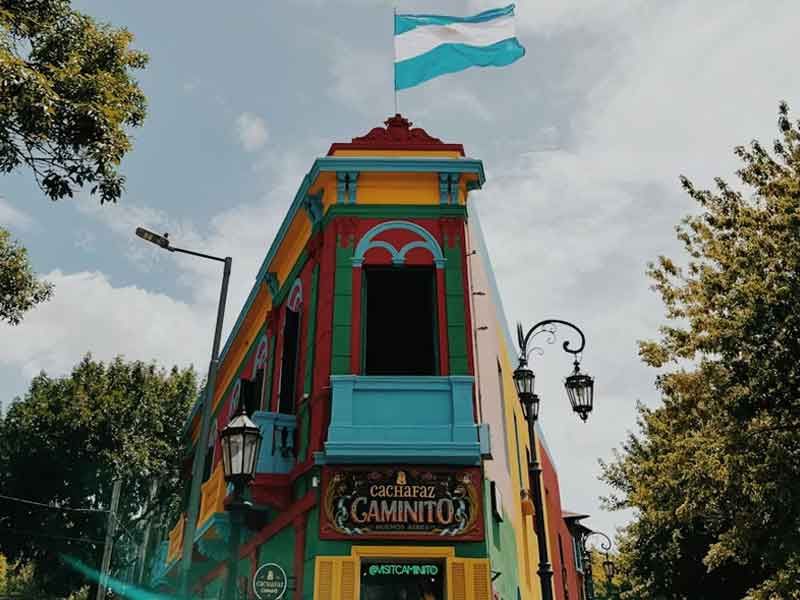
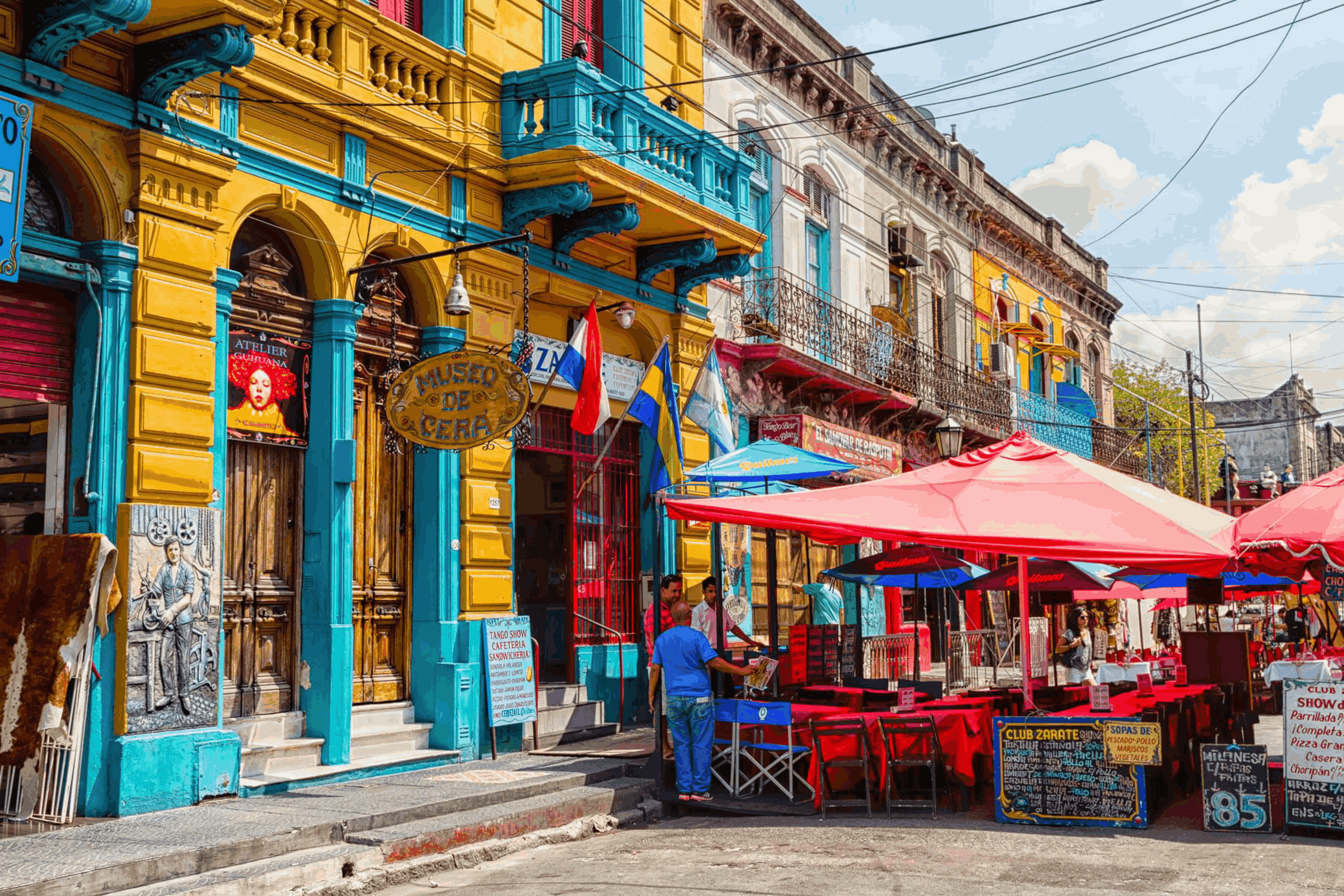
Often referred to as the ‘Paris of South America,’ Buenos Aires combines European elegance with a Latin flair. Its streets are lined with colonial architecture, charming cafes that evoke 19th-century Paris, and the captivating sounds of tango that enchant both locals and visitors.
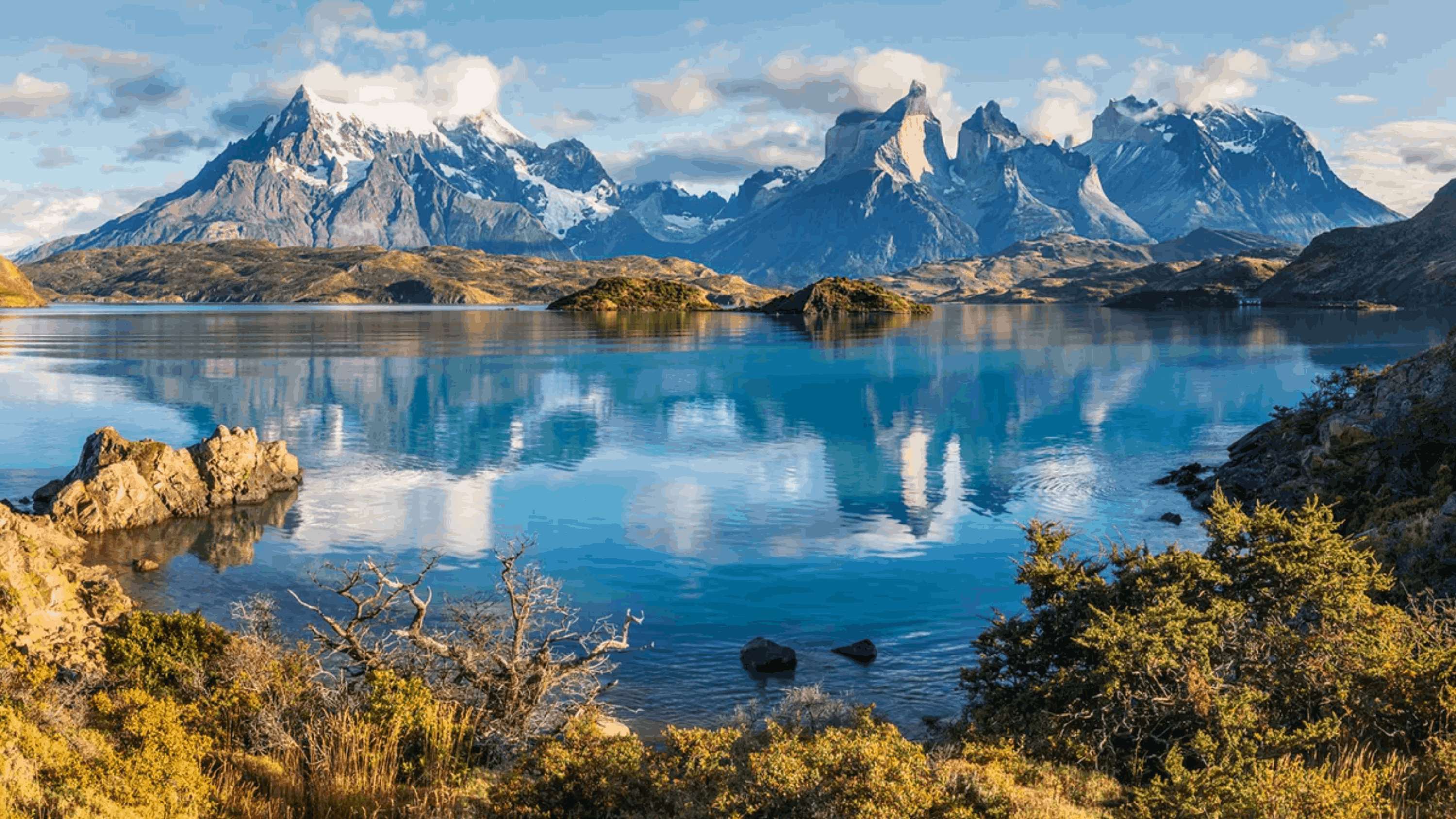
Yet, beyond the city’s vibrant glamour, a wilder world awaits. From the expansive glaciers and ice fields of Patagonia to the sprawling vineyards of Mendoza and the awe-inspiring Andes mountains, these natural wonders are all part of our 10-day group adventure.
Argentina at a glance
Buenos Aires
45.8 million
Argentine Peso (ARS)
Spanish
+54
Type C & I plugs
Argentina Time (ART, UTC-3)
Our Argentina tours and holidays
Learn more about Argentina
The best time to visit Argentina is during its spring (September to November) and fall (March to May) when the weather is mild and pleasant. The summer months (December to February) can be quite hot, especially in the northern parts, while the winter (June to August) is best for visiting Patagonia and the southern regions.
7 to 10 days is ideal for exploring Argentina’s diverse landscapes, including Buenos Aires, Mendoza (for wine tasting), Patagonia, and Iguazú Falls. If you want to explore more regions like the wine country or Patagonia, you may need up to 14 days.
Argentina offers car rentals, taxis, buses, and domestic flights. Accommodation options range from guesthouses, boutique hotels, and luxury resorts to hostels and vacation rentals. You can find ATMs, currency exchange services, SIM card providers, and medical facilities throughout the country.
Argentina has a rich history influenced by Spanish colonization, European immigration, and indigenous cultures. The country is famous for its tango music and dance, gaucho culture, and its love for football (soccer). Argentina’s culinary traditions, including asado (barbecue) and wine, reflect its diverse heritage.
ATMs are readily available in major cities. Credit cards are widely accepted in larger establishments, but cash is preferred for smaller purchases in rural areas. Argentina has an active currency exchange market, and it’s advisable to check exchange rates and carry pesos for smaller purchases.
- Asado: Argentine barbecue, a must-try when visiting.
- Empanadas: Delicious pastry pockets filled with meat, cheese, or vegetables.
- Milanesa: Breaded and fried meat cutlets, similar to schnitzel.
- Dulce de Leche: A caramelized milk spread, used in desserts.
- Mate: A traditional herbal tea, enjoyed with friends.
Argentina FAQs
Do I Need a Visa to Travel to Argentina?
Many travellers do not need a visa to enter Argentina for tourism. This includes visitors from Australia, New Zealand, the United States, Canada, the United Kingdom, Ireland, and most Western European countries.
Visa-exempt travellers are typically granted entry for **up to 90 days** upon arrival. However, entry requirements can change at any time, so it is important to check the latest information before travelling.
Visas and entry requirements are the responsibility of each traveller. We recommend checking with your country’s foreign travel advisory service or the nearest Argentine embassy or consulate for the most up-to-date requirements.
Do I Need Travel Insurance to Visit Argentina?
Soca Islands strongly recommends that all travellers purchase **comprehensive travel insurance before departure**. Argentina currently requires foreign visitors to have travel insurance for entry.
Your policy should ideally cover medical expenses, emergency evacuation, trip interruption, and lost or delayed baggage. Having travel insurance helps ensure peace of mind in the event of unexpected situations during your trip.
Is Tipping Customary in Argentina?
Tipping is customary in Argentina. In restaurants and bars, it is typical to leave a **tip of around 10%** if service is good.
Some restaurants may include a small **cover charge (cubierto)** on the bill, but this is separate from the tip, so an additional gratuity is still appreciated.
What Should I Pack for a Trip to Argentina?
What you pack will depend on the **regions you plan to visit and the time of year**.
Lightweight, breathable clothing is recommended, particularly during the warmer months. Items such as t-shirts, shorts, and lightweight pants are ideal. It is also a good idea to pack **layers**, as temperatures can vary between regions and throughout the day.
If you are visiting areas with cooler climates, such as Patagonia, bring warmer clothing and a light jacket. Comfortable walking shoes are recommended for sightseeing and excursions.
Can I Drink the Water in Argentina?
Tap water is generally **safe to drink in most parts of Argentina** unless otherwise indicated. For environmental reasons, consider bringing a **reusable water bottle** and refilling it instead of purchasing bottled water.
What Is Internet Access Like in Argentina?
Internet access is widely available in **cities and major towns**, with Wi-Fi commonly offered in cafés, restaurants, hotels, and public spaces.
In **rural or remote areas**, internet access may be limited or slower than what you are accustomed to.
Can I Use My Mobile Phone in Argentina?
Mobile phone coverage is generally **very good in major cities and towns** across Argentina. However, coverage may be limited in **rural, mountainous, or remote regions**.
Before travelling, make sure **international roaming is activated** with your mobile service provider or consider purchasing a local SIM card after arrival.
What Are the Toilets Like in Argentina?
Western-style flush toilets are common in Argentina. However, some locations may not provide toilet paper or soap, so it can be helpful to carry **toilet paper and hand sanitizer** when travelling.
In some places you may see signs asking you **not to flush toilet paper**, as older plumbing systems can clog easily.
Is Argentina Safe for LGBTQIA+ Travellers?
Argentina is widely considered one of the **most LGBTQIA+ friendly destinations in Latin America**. The country legalized same-sex marriage in 2010 and **Buenos Aires hosts one of the largest Pride celebrations in South America**.
Many LGBTQIA+ friendly hotels, bars, and nightlife venues can be found in Buenos Aires and other major cities. As with most destinations, attitudes may be more conservative in smaller towns, so travellers may wish to exercise discretion outside major urban areas.
Staying Safe and Healthy While Travelling
At Soca Islands, the safety and wellbeing of our travellers is a top priority. Our trips are designed to be **safe, enjoyable, and inclusive**, supported by experienced local guides and reliable partners.
Before travelling, we recommend checking travel advisories issued by your government and reviewing health guidance from international health authorities. Staying informed helps ensure a smooth and enjoyable experience while exploring Argentina.