
Türkiye Group Tours
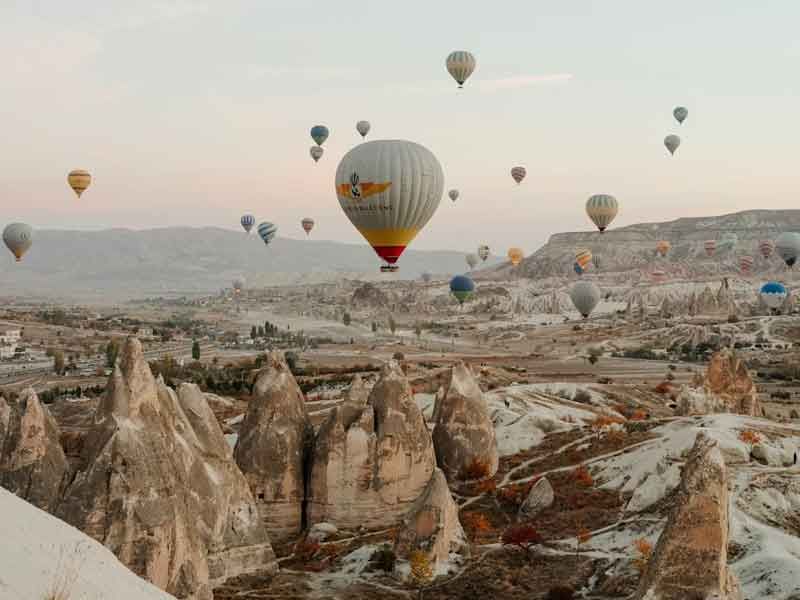
Turkey sits at the crossroads of Europe and Asia, giving it a unique blend of cultures, architecture, and traditions shaped by thousands of years of history. The country offers an incredible range of experiences for travelers, from vibrant historic cities and ancient ruins to stunning coastlines and dramatic natural landscapes.
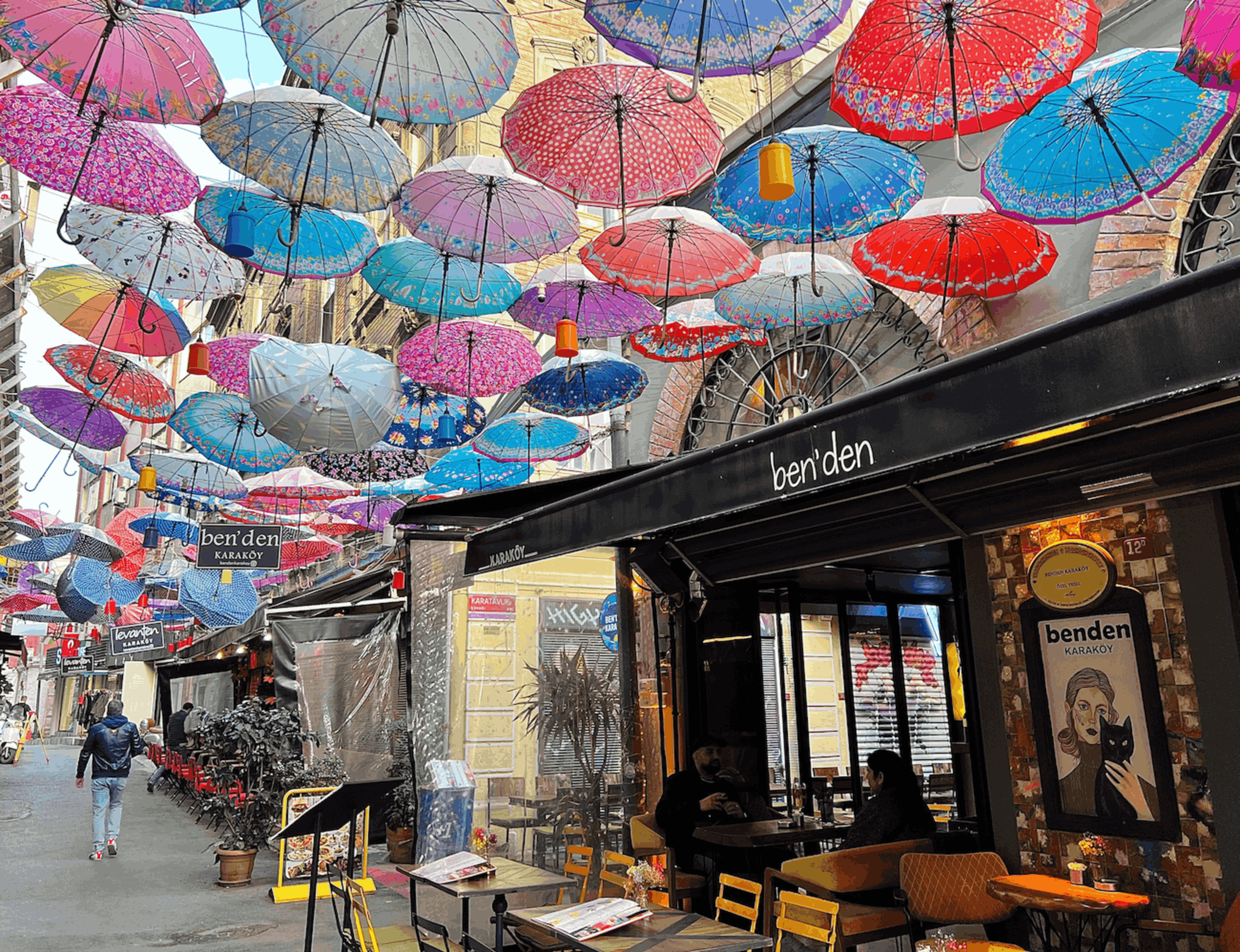
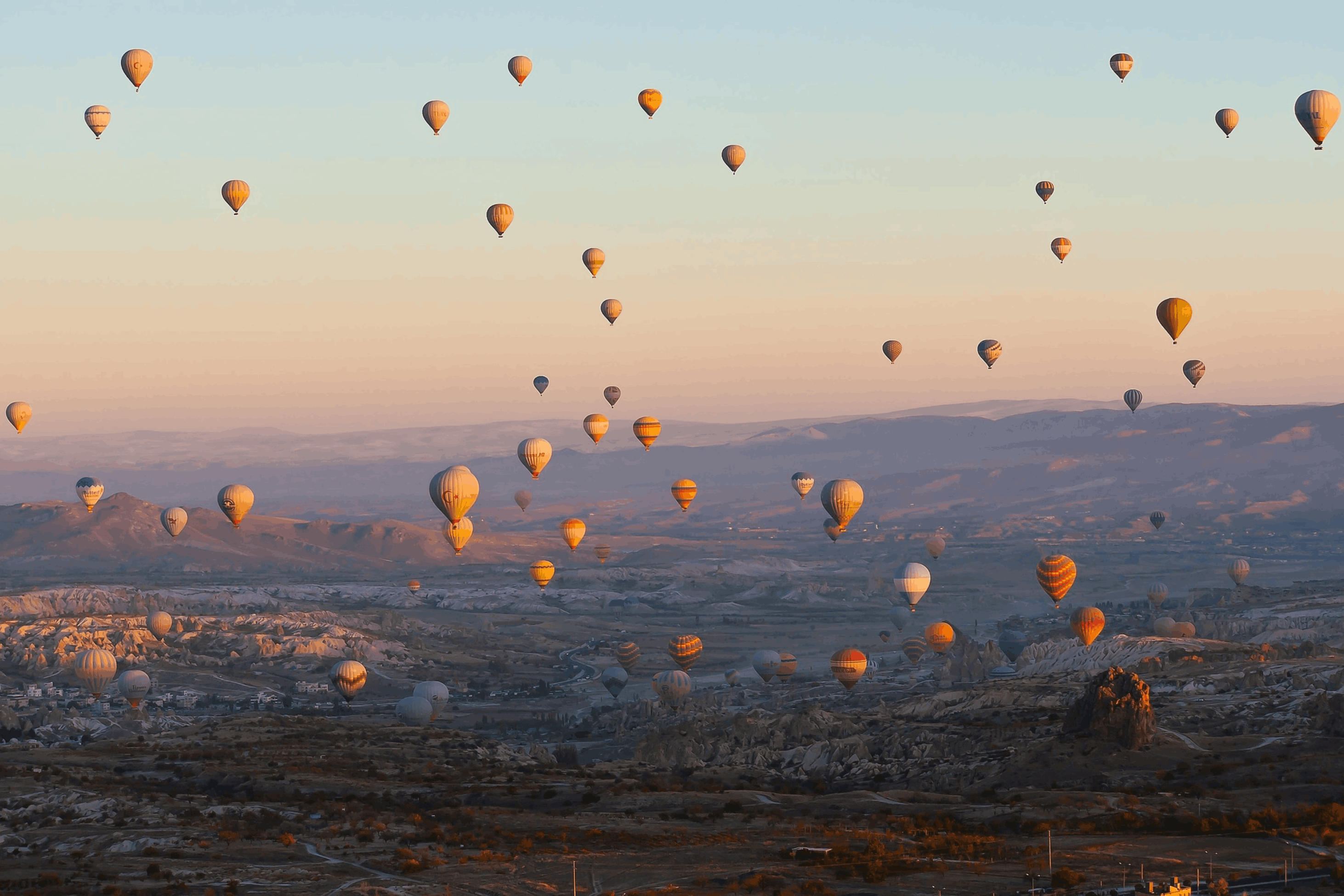
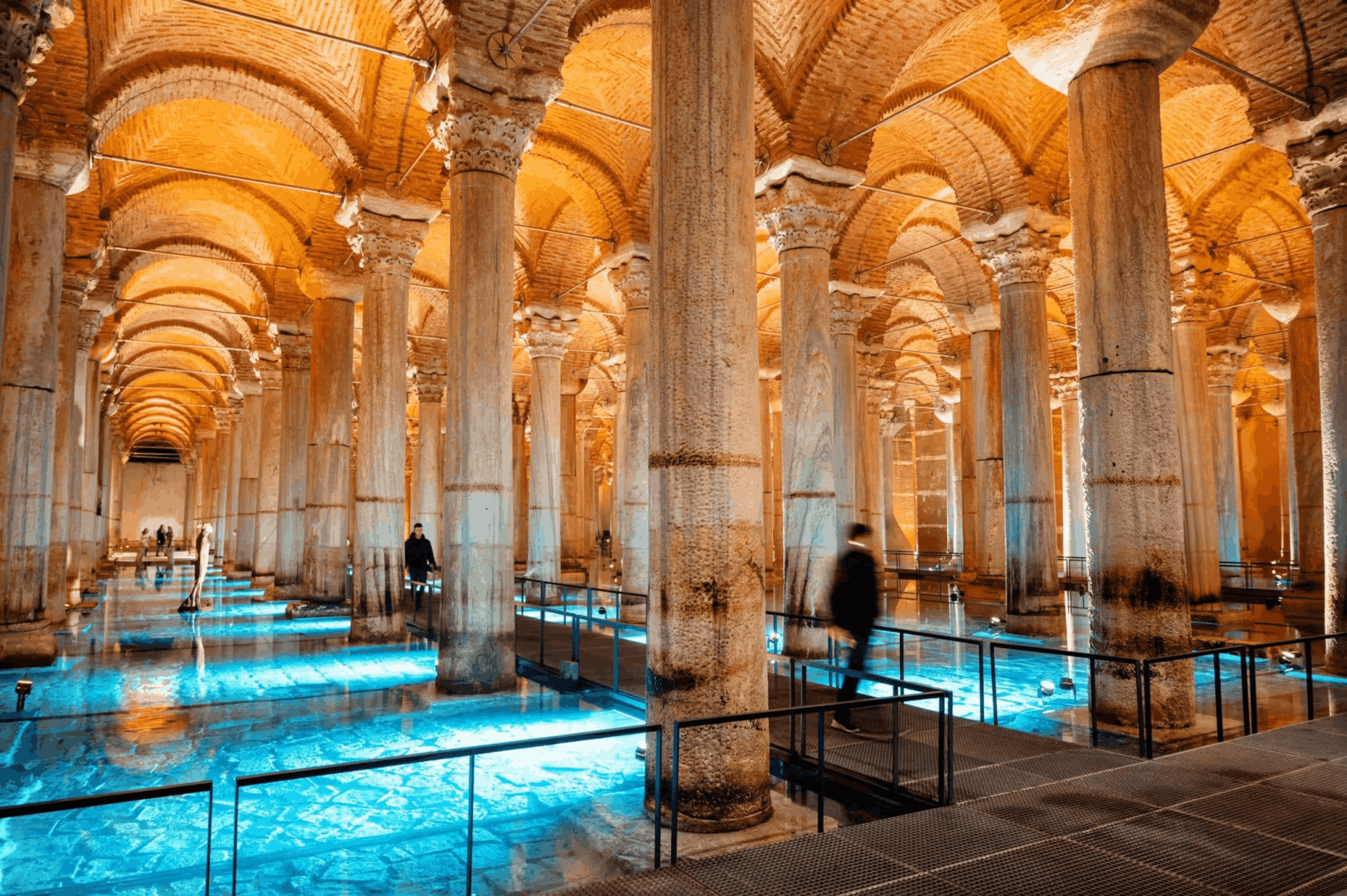
Visitors can explore the lively streets and grand mosques of Istanbul, a city that once served as the capital of the Byzantine and Ottoman Empires. Along the Mediterranean and Aegean coasts, destinations such as Antalya and Bodrum are known for their beautiful beaches, luxury resorts, and turquoise waters. Inland, travelers can discover otherworldly scenery in Cappadocia, famous for its fairy-chimney rock formations and sunrise hot-air balloon rides. Turkey also boasts impressive archaeological sites including Ephesus, Troy, and Pergamon, where ancient civilizations once flourished.
With its rich culinary traditions, bustling bazaars, historic landmarks, and welcoming culture, Turkey offers a diverse and unforgettable travel experience that blends the energy of Europe with the traditions of the Middle East.
Türkiye at a glance
Ankara
85 million
Turkish Lira (TRY)
Turkish
+90
Type C & F (European 2-pin)
GMT +3
Our Türkiye tours and holidays
Learn more about Türkiye
Turkiye has a diverse climate influenced by its geography, with Mediterranean weather along the coast and more continental conditions inland.
The best time to visit is during spring (April to June) and autumn (September to November), when temperatures are comfortable for sightseeing and exploring historic cities such as Istanbul and Cappadocia.
Summer months from June to August can be hot, especially in inland regions, while winter brings cooler temperatures and occasional snow in some areas.
7–10 days
Türkiye offers travelers a rich combination of cultural heritage, historic landmarks, and scenic coastal destinations. Visitors can explore ancient ruins, vibrant bazaars, and unique landscapes through guided tours and immersive cultural experiences.
• Historic city and cultural tours • Archaeological site excursions • Hot air balloon rides in Cappadocia • Turkish culinary and food tours • Bosphorus boat cruises • Beach and coastal resort experiences
Türkiye has one of the richest and most layered histories in the world, shaped by thousands of years of civilizations that have lived and traded across its lands. Positioned between Europe and Asia, the region has long been a crossroads for cultures, religions, and empires, making it a unique meeting point of East and West.
Ancient Anatolia was home to some of the world’s earliest civilizations, including the Hittites, Lydians, and Phrygians. Later, Greek city-states established thriving settlements along the Aegean coast, leaving behind impressive ruins that can still be explored today. The region eventually became part of the Roman Empire, and later the Byzantine Empire, with Constantinople (modern-day Istanbul) serving as one of the most powerful cities in the world.
In 1453, the Ottoman Empire captured Constantinople and transformed it into the capital of a vast empire that spanned parts of Europe, the Middle East, and North Africa for more than 600 years. Ottoman influence shaped much of Türkiye’s architecture, cuisine, music, and traditions. Grand mosques, palaces, and bustling bazaars from this period still define the cultural landscape of many Turkish cities.
Modern Türkiye was established in 1923 following the fall of the Ottoman Empire after World War I. Under the leadership of Mustafa Kemal Atatürk, the country underwent sweeping reforms that modernized its political system, education, and social structure, creating the secular republic that exists today.
Today, Turkish culture reflects this deep historical heritage. Visitors can experience a vibrant mix of ancient traditions and modern life whether wandering through historic bazaars, listening to traditional Turkish music, enjoying tea in local cafés, or sampling world-famous dishes such as kebabs, baklava, and meze. Festivals, hospitality, craftsmanship, and cuisine remain central parts of everyday life, offering travelers a warm and immersive cultural experience.
Cash useful in markets; cards widely accepted in cities.
Turkish cuisine blends influences from the Middle East, Central Asia, and the Mediterranean, creating flavorful dishes known for spices, grilled meats, and sweet desserts.
• Kebabs (various grilled meat dishes) • Meze platters (assorted appetizers) • Lahmacun (Turkish flatbread with meat topping) • Pide (Turkish-style pizza) • Baklava (sweet pastry with honey and nuts) • Turkish delight
Türkiye FAQs
Do I need a visa to travel to Turkey?
Many travelers must obtain an e-Visa before traveling to Turkey. Some nationalities may enter visa-free for short tourist stays, while others must apply online for an electronic visa prior to arrival. Always check the latest entry requirements based on your nationality.
Do I need to purchase travel insurance before traveling?
Travel insurance is recommended to cover medical emergencies, cancellations, and unexpected travel disruptions.
Is tipping customary in Turkey?
Yes, tipping is common. In restaurants, leaving around 5–10% for good service is typical. Small tips are also appreciated by hotel staff and taxi drivers.
Can I drink the water in Turkey?
Tap water is treated but visitors generally prefer bottled water for drinking.
What is internet access like in Turkey?
Wi-Fi is widely available in hotels, restaurants, cafés, and airports, particularly in major cities and tourist areas.
Can I use my mobile in Turkey?
Mobile coverage is strong across most of the country. Visitors can use international roaming or purchase a local SIM card.
How do I stay safe and healthy while traveling?
Turkey is generally safe for tourists in major destinations. Travelers should follow local safety advice and remain aware of their surroundings in crowded areas.
Are trips accessible for travelers with disabilities?
Accessibility is improving in major cities and modern hotels, though older historic sites may have limited accessibility due to stairs or uneven terrain.