
Spain Group Tours

Spain is one of Europe’s most diverse travel destinations, offering historic cities, Mediterranean beaches, vibrant nightlife, and world-famous cuisine. Travellers can explore grand boulevards and museums in Madrid, admire the architectural wonders of Barcelona, or experience traditional Andalusian culture in Seville.
Beyond its cities, Spain offers a wide range of landscapes including mountain ranges, vineyards, and scenic coastlines along the Mediterranean and Atlantic oceans. The country is also known for lively festivals, football culture, and a relaxed lifestyle built around social dining and outdoor plazas.
Whether visiting historic castles, enjoying tapas in local restaurants, or relaxing on sunny beaches, Spain offers a vibrant mix of culture, history, and entertainment.
Spain at a glance
Madrid
48 million
Euro (EUR)
Spanish
+34
Type C & F (European 2-pin)
Central European Time (CET)
Our Spain tours and holidays
Learn more about Spain
Spain enjoys a Mediterranean climate with hot summers and mild winters, though temperatures vary between coastal and inland regions.
The best time to visit Spain is during spring (April to June) and autumn (September to October), when the weather is pleasant for sightseeing and cultural exploration.
During the summer months from June to August, temperatures in southern cities like Seville can exceed 35°C, while coastal areas offer cooler breezes and vibrant beach life.
7–10 days to explore multiple cities.
Spain provides travelers with a mix of cultural experiences, historic exploration, and coastal relaxation. From guided city tours to culinary experiences and scenic excursions, visitors can immerse themselves in the country's vibrant lifestyle.
• Guided tours of historic cities and landmarks • Food and tapas tasting tours • Flamenco cultural experiences • Coastal sailing and beach excursions • Wine tours in famous wine regions • Cultural walking tours and museum visits
Spain’s culture has been shaped by centuries of diverse civilizations. The Romans built roads, cities, and infrastructure across the Iberian Peninsula, while later Moorish rulers introduced advanced architecture, science, and artistic traditions.
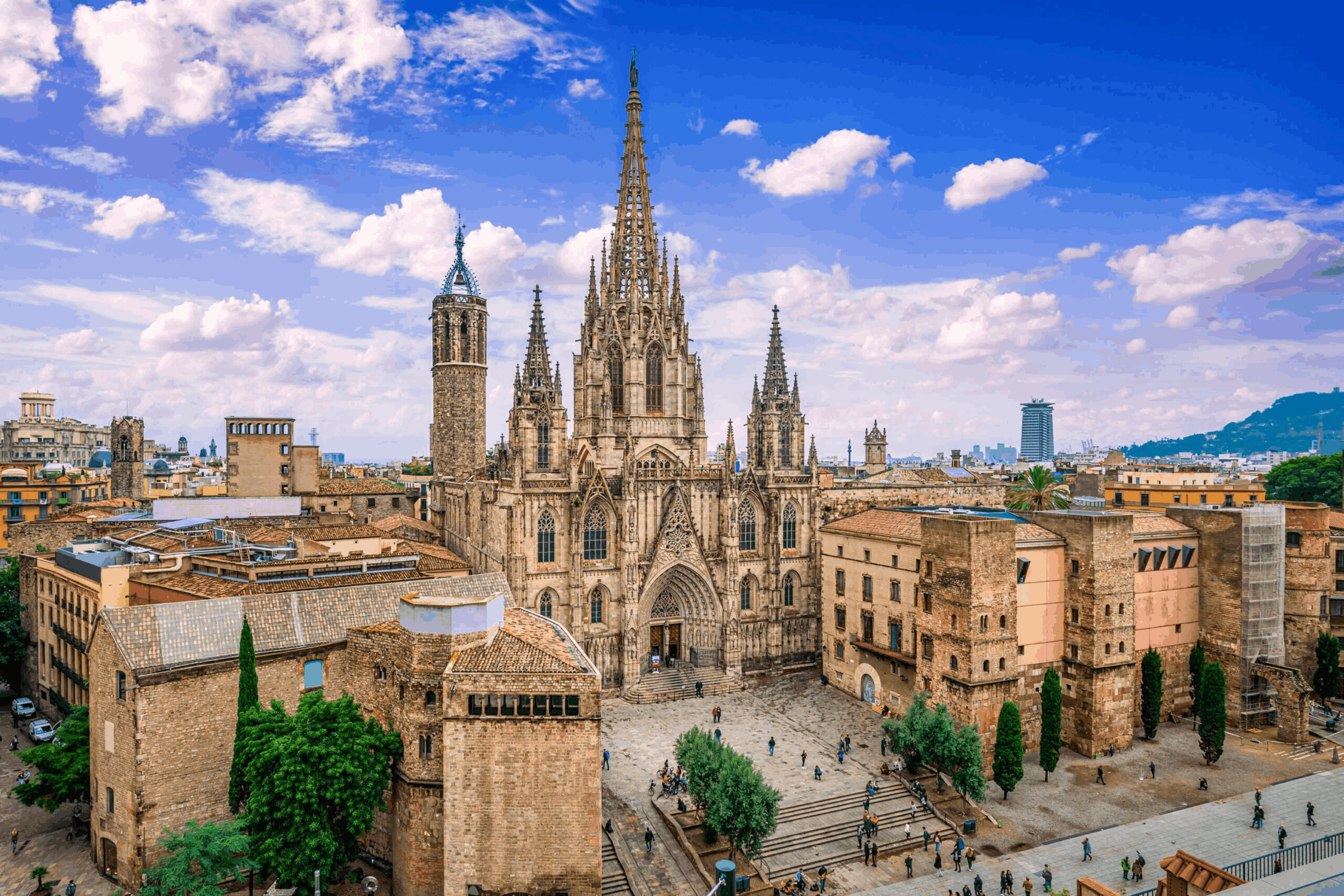
This cultural fusion can still be seen across Spain. In Barcelona, visitors can admire the famous Sagrada Familia designed by architect Antoni Gaudí. In southern cities like Seville, Moorish palaces and courtyards reflect Spain’s Islamic heritage.
Spanish culture today is famous for flamenco music and dance, vibrant festivals, and a social dining culture built around tapas. Art, music, and architecture play a central role in Spanish life, making the country one of Europe’s most culturally rich travel destinations.
Cards are widely accepted, though small cash is helpful for markets and cafés.
Spanish cuisine is diverse and regional, featuring bold flavors, fresh seafood, and traditional dishes that reflect centuries of culinary heritage.
• Paella (rice dish with seafood or meat) • Tapas (variety of small dishes) • Jamón ibérico (cured Iberian ham) • Tortilla española (Spanish potato omelette) • Patatas bravas (fried potatoes with spicy sauce) • Churros with chocolate
Spain FAQs
Do I need a visa to travel to Spain?
Citizens of the EU, US, UK, Canada, Australia, and many other countries do not need a visa for tourist stays of up to 90 days within a 180-day period in Spain, as it is part of the Schengen Area. Travelers from countries without visa-free agreements must apply for a Schengen tourist visa before traveling. Always check current visa requirements based on your nationality.
Do I need to purchase travel insurance before traveling?
Travel insurance is not legally required for visa-free visitors, but it is strongly recommended. It can cover unexpected medical expenses, trip cancellations, delays, or lost luggage during your stay.
Is tipping customary in Spain?
Tipping is not mandatory but appreciated. In restaurants, leaving small change or around 5–10% for good service is common. Rounding up the bill or leaving a euro or two in cafés and taxis is also typical.
Can I drink the water in Spain?
Tap water in Spain is generally safe to drink in major cities such as Madrid and Barcelona. Some visitors prefer bottled water due to taste differences in certain regions.
What is internet access like in Spain?
Spain has excellent internet infrastructure. Wi-Fi is widely available in hotels, cafés, restaurants, and public areas, especially in major cities and tourist destinations.
Can I use my mobile in Spain?
Mobile coverage is reliable across most of the country. Visitors can use international roaming or purchase a local SIM card or eSIM for cheaper mobile data and calls.
How do I stay safe and healthy while traveling?
Spain is generally a safe destination for travelers. In busy tourist areas such as Barcelona and Madrid, visitors should remain aware of pickpocketing and keep belongings secure.
Are trips accessible for travelers with disabilities?
Accessibility is improving across Spain. Major cities offer accessible public transport and many modern hotels provide accessible facilities, though some historic districts may have limited accessibility due to older infrastructure.