
Portugal Group Tours
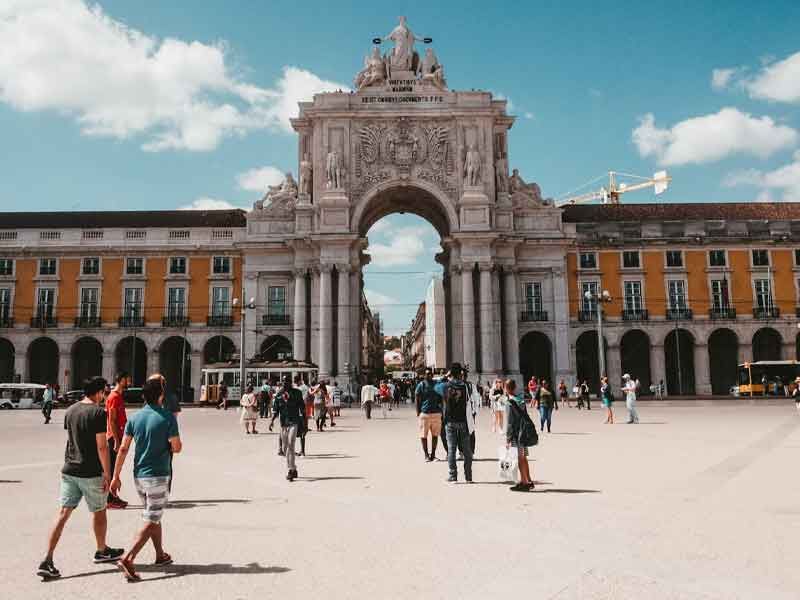
Portugal offers a unique blend of historic cities, scenic coastlines, and charming villages. Travellers often begin in Lisbon, a colourful hillside city known for its historic trams, ocean views, and lively neighbourhoods.
Further north, the city of Porto is famous for its riverfront district and world-renowned port wine. Along the southern coast, the Algarve region attracts visitors with dramatic cliffs, golden beaches, and seaside resorts.
Portugal’s relaxed lifestyle, welcoming culture, and rich culinary traditions make it one of Europe’s most enjoyable destinations for travellers seeking both culture and coastal scenery.
Portugal at a glance
Lisbon
10.4 million
Euro (EUR)
Portuguese
+351
Type C & F (European 2-pin)
Western European Time (WET) GMT +0
Our Portugal tours and holidays
Learn more about Portugal
Portugal enjoys a Mediterranean climate with warm summers and mild winters, making it an appealing destination throughout much of the year.
The best time to visit is from March to May and September to October, when temperatures are comfortable and popular destinations are less crowded than in peak summer months.
During the summer season from June to August, temperatures can reach 30°C or higher, particularly in southern regions such as the Algarve. This period is ideal for beach holidays but can be busy with tourists.
5–8 days
Portugal offers scenic coastal landscapes, historic cities, and world-renowned wine regions. Travelers can explore charming towns, enjoy ocean adventures, and experience Portugal’s rich maritime heritage.
• Guided tours of historic cities and monuments • Wine tasting tours in the Douro Valley • Coastal boat excursions and dolphin watching • Food and culinary experiences • Surfing and beach activities • Cultural walking tours and museum visits
Portugal became one of the world’s leading maritime powers during the Age of Exploration. Portuguese navigators such as Vasco da Gama helped establish sea routes to Asia, Africa, and South America.
Historic monuments, forts, and maritime museums throughout the country reflect this period of exploration. In Lisbon and Porto, travellers can wander through historic districts filled with tiled buildings, narrow streets, and centuries-old churches.
Portuguese culture is also known for Fado music, a soulful style of singing traditionally performed in small restaurants and historic neighbourhoods. Combined with coastal cuisine and warm hospitality, these traditions create a unique cultural atmosphere for visitors.
Cards widely accepted, but small cash may be useful.
Portuguese cuisine features fresh seafood, rich stews, and traditional pastries that reflect the country’s coastal culture.
• Bacalhau (salted cod dishes) • Grilled sardines • Caldo verde (traditional soup) • Pastéis de nata (custard tarts) • Seafood rice dishes • Portuguese cheeses and cured meats
Portugal FAQs
Do I need a visa to travel to Portugal?
Citizens of the EU, US, UK, Canada, Australia, and many other countries can visit Portugal without a visa for up to 90 days within a 180-day period as Portugal is part of the Schengen Area.
Do I need to purchase travel insurance before traveling?
Travel insurance is recommended to cover unexpected medical expenses, trip cancellations, and travel delays.
Is tipping customary in Portugal?
Tipping is not mandatory but appreciated. Leaving around 5–10% in restaurants or rounding up the bill is common for good service.
Can I drink the water in Portugal?
Tap water in Portugal is safe to drink and meets European safety standards.
What is internet access like in Portugal?
Portugal has reliable internet infrastructure, and Wi-Fi is widely available in hotels, cafés, and restaurants.
Can I use my mobile in Portugal?
Mobile coverage is strong across most of the country. Visitors can use roaming or purchase a local SIM card or eSIM.
How do I stay safe and healthy while traveling?
Portugal is considered one of the safest countries in Europe. Visitors should still remain aware of belongings in busy tourist areas.
Are trips accessible for travelers with disabilities?
Accessibility is improving in Portugal, especially in newer hotels and transport systems, though some historic areas may have limited accessibility.