Norway Group Tours
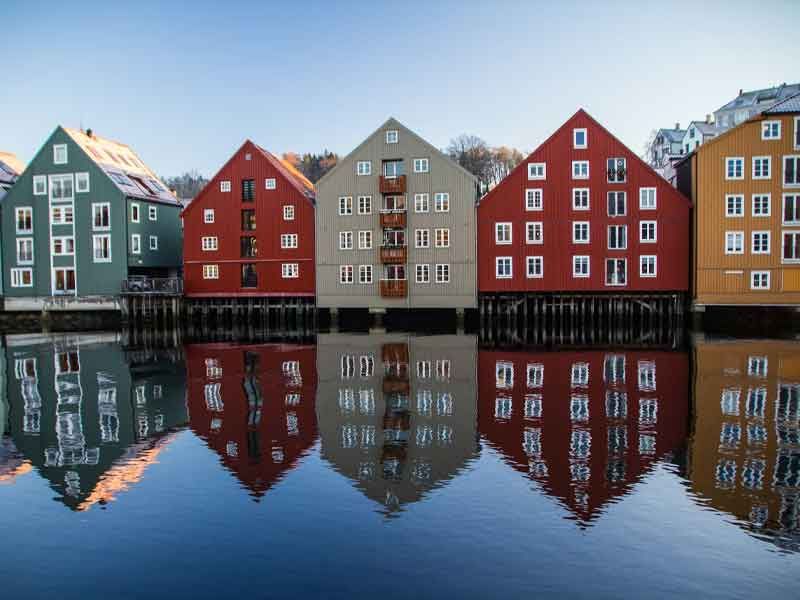
Norway is known for its breathtaking natural beauty, dramatic fjords, and pristine landscapes. Stretching along the northern edge of Europe, the country offers travelers a unique combination of vibrant modern cities and untouched wilderness. Visitors can explore the capital city of Oslo, known for its contemporary architecture, museums, and waterfront lifestyle, or travel to Bergen, a picturesque coastal city surrounded by mountains and fjords.
The country is famous for its spectacular fjords, including the UNESCO-listed Geirangerfjord and Nærøyfjord, where steep cliffs plunge into deep blue waters. Outdoor enthusiasts will find endless opportunities for adventure, from hiking and glacier trekking to kayaking and scenic train journeys through mountain valleys. In northern Norway, travelers can experience the magical Northern Lights during winter or witness the midnight sun in summer when the sun never fully sets.
With its stunning landscapes, charming coastal towns, and strong connection to nature, Norway offers an unforgettable experience for travelers seeking adventure, tranquility, and scenic beauty.
Norway at a glance
Oslo
5.5 million
Norwegian Krone (NOK)
Norwegian
+47
Type C & F (European 2-pin)
Central European Time (CET) – GMT +1
Learn more about Norway
Norway has a coastal climate influenced by the Atlantic Ocean, resulting in cool summers and cold winters, especially inland and in the northern regions.
The best time to visit Norway is from May to September, when the weather is milder and travelers can enjoy scenic fjords, coastal cruises, and outdoor adventures.
During the summer months, visitors can experience the famous Midnight Sun in northern regions. Winter from November to March is ideal for travelers hoping to see the Northern Lights and enjoy snow-based activities.
7–12 days
Norway offers incredible outdoor adventures and scenic travel experiences centered around its famous fjords, mountains, and Arctic landscapes. Visitors can explore nature through guided excursions and unique Nordic experiences.
• Fjord cruises and scenic boat tours • Northern Lights excursions • Glacier hiking adventures • Scenic train journeys through mountain landscapes • Wildlife watching tours • Cultural and historic city tours
Norway’s history stretches back thousands of years, with early settlements dating to prehistoric times. The country is perhaps most famously associated with the Viking Age, when Norse seafarers explored, traded, and settled across Europe and the North Atlantic between the 8th and 11th centuries. These skilled sailors and explorers helped shape Norway’s identity and left behind a legacy of mythology, shipbuilding, and exploration that continues to fascinate visitors today.
During the medieval period, Norway became a Christian kingdom and later entered political unions with Denmark and Sweden. For several centuries, the country was governed from Copenhagen as part of the Danish kingdom. In the early 19th century, Norway briefly joined a union with Sweden before eventually gaining full independence in 1905 and establishing its own constitutional monarchy.
Modern Norwegian culture reflects a strong connection to nature and outdoor life, often referred to as “friluftsliv,” which emphasizes enjoying and respecting the natural environment. This lifestyle is evident in the country’s love for hiking, skiing, and exploring its vast wilderness.
Visitors can experience Norwegian culture through traditional wooden architecture, maritime heritage, folk music, and cuisine centered around fresh seafood, lamb, and local produce. Festivals, museums, and historic Viking sites throughout the country offer insight into the traditions and stories that have shaped modern Norway.
Credit and debit cards are widely accepted throughout Norway, even for small purchases. Contactless payments and mobile payment apps are also common. Cash is rarely needed but ATMs are available in cities and towns if required.
Norwegian cuisine focuses on fresh seafood, traditional Nordic ingredients, and hearty dishes suited to the country’s cold climate.
• Fresh Norwegian salmon • Reindeer stew • Brunost (Norwegian brown cheese) • Fish soup • Lefse (traditional flatbread) • King crab from northern Norway
Norway FAQs
Do I need a visa to travel to Norway?
Citizens of the EU, US, UK, Canada, Australia, and many other countries can travel to Norway for tourism without a visa for up to 90 days within a 180-day period, as Norway is part of the Schengen Area. Travelers from countries without visa-free agreements must apply for a Schengen tourist visa before traveling.
Do I need to purchase travel insurance before traveling?
Travel insurance is not mandatory for visa-free visitors but is strongly recommended. It can cover unexpected medical expenses, trip cancellations, delays, or lost luggage during your trip.
Is tipping customary in Norway?
Tipping is not required because service charges are usually included in prices. However, rounding up the bill or leaving around 5–10% for excellent service is appreciated.
Can I drink the water in Norway?
Yes. Tap water in Norway is extremely clean and safe to drink, often sourced from natural mountain springs.
What is internet access like in Norway?
Norway has excellent internet infrastructure, and Wi-Fi is widely available in hotels, restaurants, cafés, and public spaces.
Can I use my mobile in Norway?
Mobile phone coverage is reliable across most of the country, including many rural regions. Travelers can use international roaming or purchase a local SIM card or eSIM.
How do I stay safe and healthy while traveling?
Norway is considered one of the safest countries in the world. Visitors should still follow basic precautions and be mindful when exploring natural environments such as mountains, glaciers, and coastal areas.
Are trips accessible for travelers with disabilities?
Accessibility is generally good in Norway, particularly in cities, public transport systems, and modern hotels. However, some natural attractions may have limited accessibility due to rugged terrain.