
Iceland Group Tours
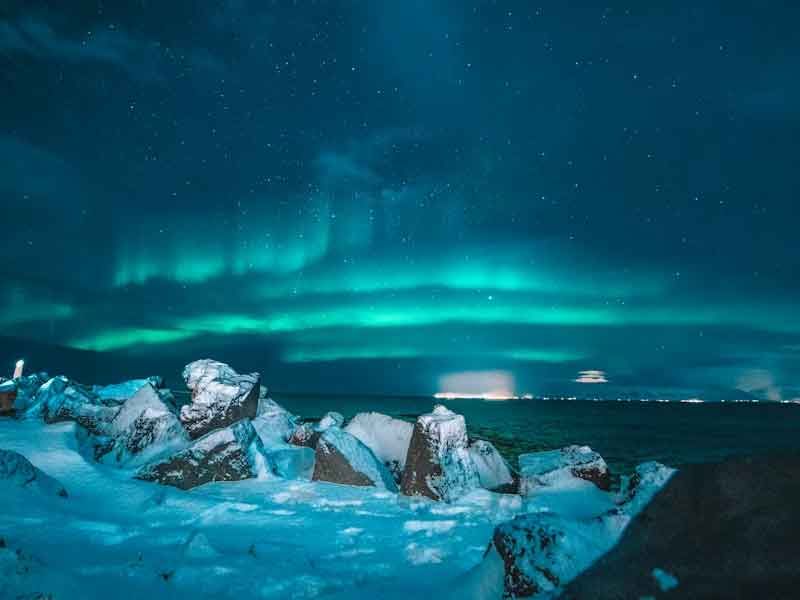
Iceland is one of the most unique travel destinations in the world, known for its dramatic volcanic landscapes, glaciers, waterfalls, and geothermal activity. Often called the “Land of Fire and Ice,” the country features powerful volcanoes, massive glaciers, black sand beaches, and steaming geothermal fields.
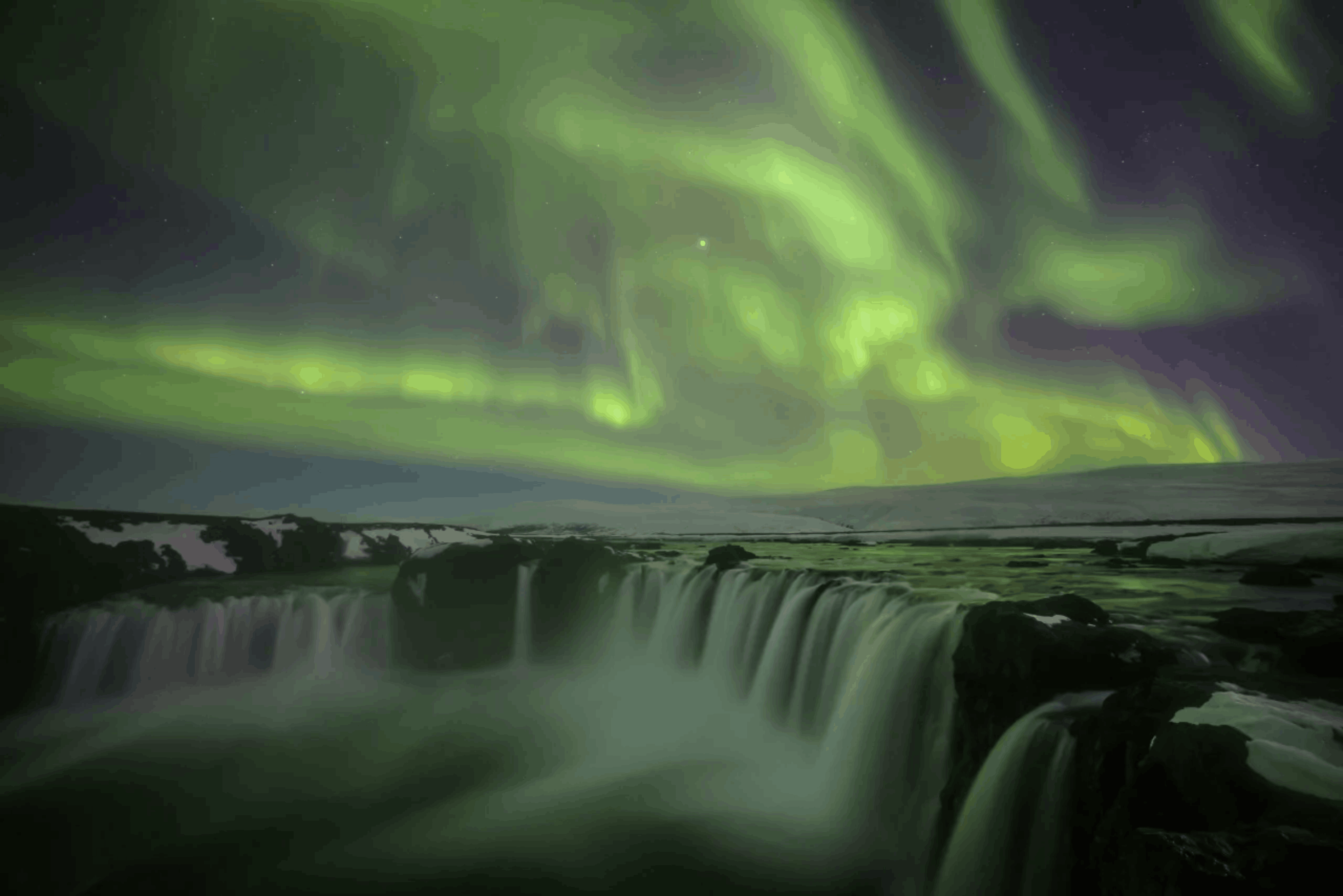
Visitors come to Iceland to experience natural wonders such as the Northern Lights, glacier lagoons, lava fields, and erupting geysers. The country is also famous for scenic drives like the Golden Circle and the Ring Road, which allow travellers to explore waterfalls, national parks, and remote coastal villages.
Despite its rugged landscapes, Iceland has a modern society with excellent infrastructure, making it an accessible destination for adventure travel, photography, and nature exploration.
Iceland at a glance
Reykjavík
400k
Icelandic Króna (ISK)
Icelandic
+354
Type C & F (European 2-pin)
Greenwich Mean Time (GMT +0)
Our Iceland tours and holidays
Learn more about Iceland
Iceland has a cool maritime climate influenced by the North Atlantic Ocean. Weather conditions can change quickly, and temperatures remain relatively cool year-round.
The best time to visit is from June to August, when temperatures are mild and daylight hours are long, allowing visitors to explore waterfalls, glaciers, and volcanic landscapes.
Winter months from November to March are ideal for travelers hoping to see the Northern Lights, though daylight hours are limited during this period.
A 7–10 day trip is ideal for exploring Iceland.
Iceland has a well-developed tourism infrastructure despite its remote landscapes.
Visitors have access to:
- International flights through Keflavík International Airport
- Guided tours for glaciers, volcanoes, and Northern Lights viewing
- Car rentals for exploring the Ring Road
- Hotels, guesthouses, and countryside lodges
- Geothermal spas and wellness resorts
- Adventure tours such as glacier hiking and whale watching
Iceland’s culture is deeply tied to its dramatic natural environment and its Viking heritage. Travelling across the country reveals a landscape that has shaped the traditions, stories, and lifestyles of its people for more than a thousand years.
The island was first settled in the late 9th century by Norse explorers, many of whom came from Scandinavia. According to historical records, one of the earliest settlers was Ingólfr Arnarson, who established a permanent settlement in what is now Reykjavík. Iceland later became home to one of the world’s oldest parliamentary institutions, the Althing, founded in 930 AD at the historic site of Þingvellir National Park.
Visitors can still walk through Þingvellir, where Viking leaders once gathered to settle disputes and create laws. Today it is a UNESCO World Heritage Site and one of Iceland’s most important cultural landmarks.
Iceland’s storytelling traditions are another major part of its heritage. The medieval Icelandic sagas, written centuries ago, tell dramatic stories of Viking explorers, family rivalries, and legendary journeys. These stories continue to influence Icelandic literature, culture, and national identity today. Today, visitors to Iceland can experience a culture that celebrates both ancient Viking traditions and modern creativity, all set against some of the most extraordinary landscapes on Earth.
The official currency is the Icelandic Króna (ISK).
Credit and debit cards are widely accepted throughout the country, even for small purchases. Iceland is largely a cashless society, though ATMs are available in cities and towns.
Icelandic cuisine reflects the country’s fishing heritage and natural environment.
Some dishes to try include:
- Icelandic lamb – known for its unique flavour
- Fresh seafood such as cod and Arctic char
- Skyr – a traditional Icelandic dairy product similar to yogurt
- Fish stew (Plokkfiskur)
- Icelandic hot dogs – a popular local street food
- Rúgbrauð – traditional dark rye bread baked using geothermal heat
Iceland FAQs
Do I Need a Visa to Travel to Iceland?
Iceland is part of the Schengen Area. Visitors from many countries including the United States, Canada, the United Kingdom, and most European countries can travel visa-free for up to 90 days within a 180-day period for tourism.
Is Tipping Customary in Iceland?
Tipping is not required in Iceland because service charges are already included in prices. However, rounding up the bill or leaving small change is appreciated for excellent service.
What Is the Internet Access Like in Iceland?
Iceland has fast and reliable internet, and Wi-Fi is widely available in hotels, cafés, restaurants, and public spaces.
Can I Use My Mobile Phone in Iceland?
Mobile coverage is strong in cities and along major roads. However, coverage may be limited in remote highland areas.
What Are the Toilets Like in Iceland?
Most facilities have modern flush toilets. Public restrooms are available at restaurants, gas stations, and tourist attractions.
Can I Drink the Water in Iceland?
Tap water in Iceland is extremely pure and safe to drink, sourced from natural springs and glaciers.
Are Credit Cards Widely Accepted?
Yes. Credit and debit cards are accepted almost everywhere, making Iceland one of the most cashless societies in the world.
What Is ATM Access Like in Iceland?
ATMs are available in major towns and cities, though many travellers rarely need cash.
Do I Need Travel Insurance?
Travel insurance is strongly recommended, especially for outdoor activities such as glacier hiking or adventure tours.