
Greece Group Tours
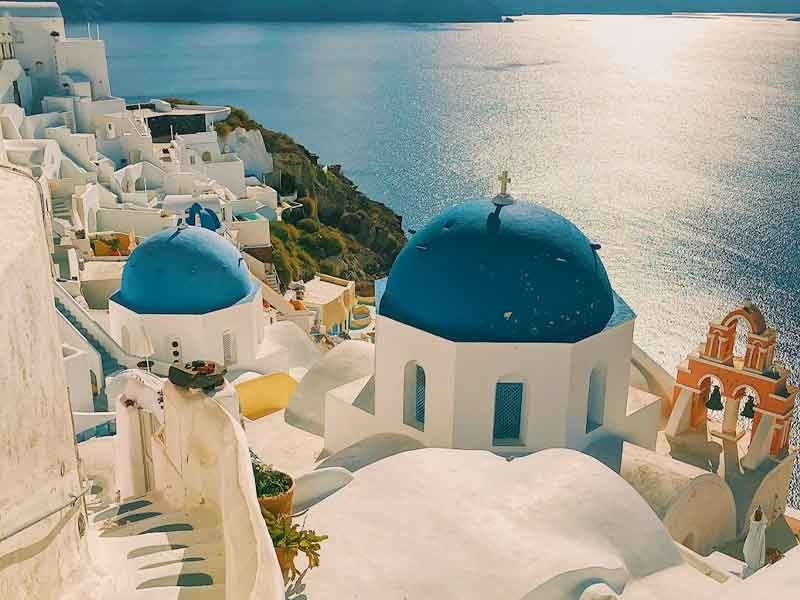
With its warm turquoise waters, abundant sunshine, and a rich history spanning over 4,000 years, Greece is a truly enchanting and mythical destination—perfect for a solo travel group tour.
Looking at a map of Greece, it’s as if a trail of delicate confetti has been scattered across the Aegean Sea. With over 4,000 islands, ranging from untouched rocky islets to picturesque, bustling getaways, you could spend a lifetime exploring and still not see them all.
Greece at a glance
Athens
10.5 million
Euro (EUR)
Greek
+30
Type C & F (European 2-pin)
Eastern European Time (EET, UTC+2)
Our Greece tours and holidays
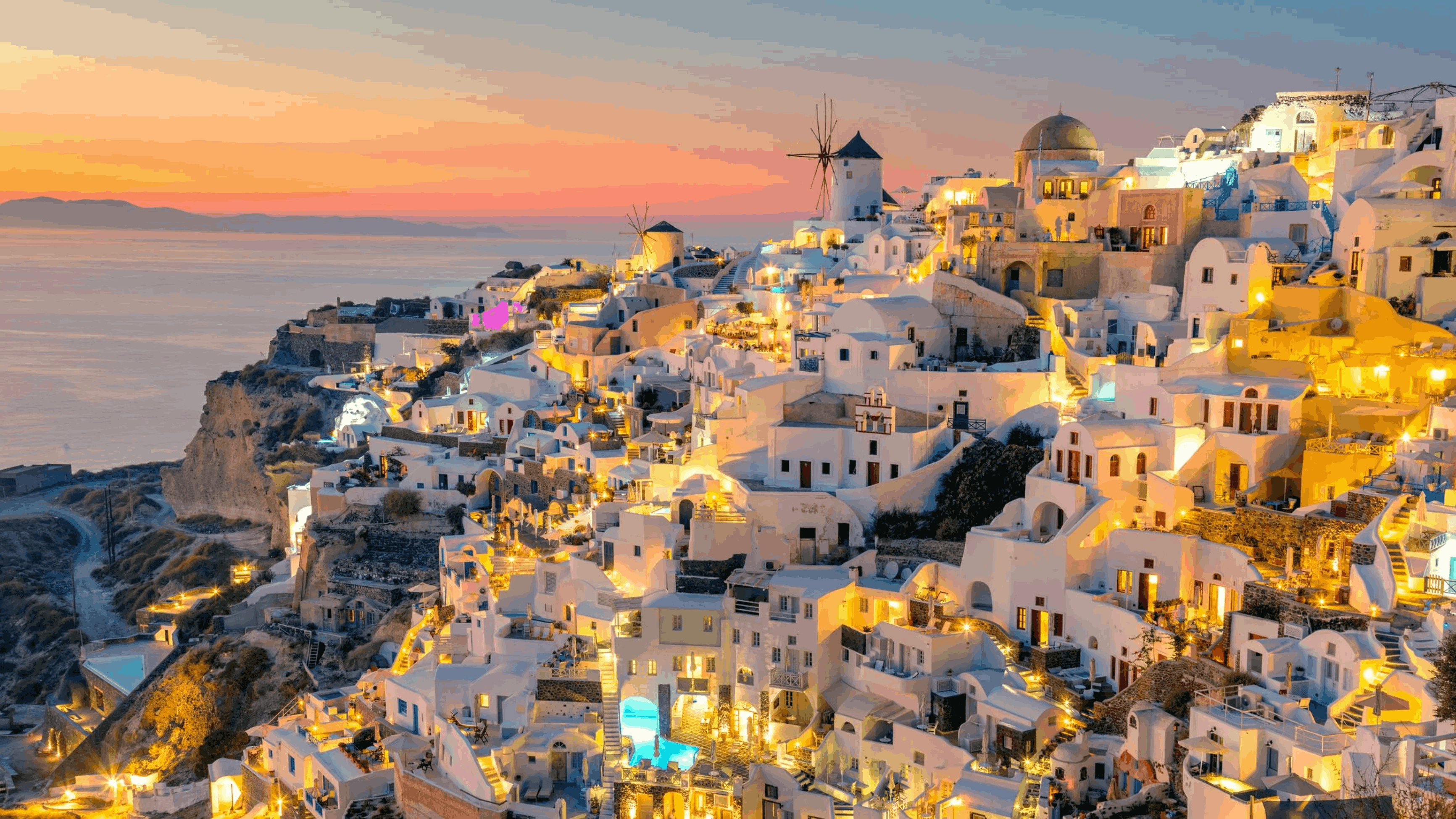
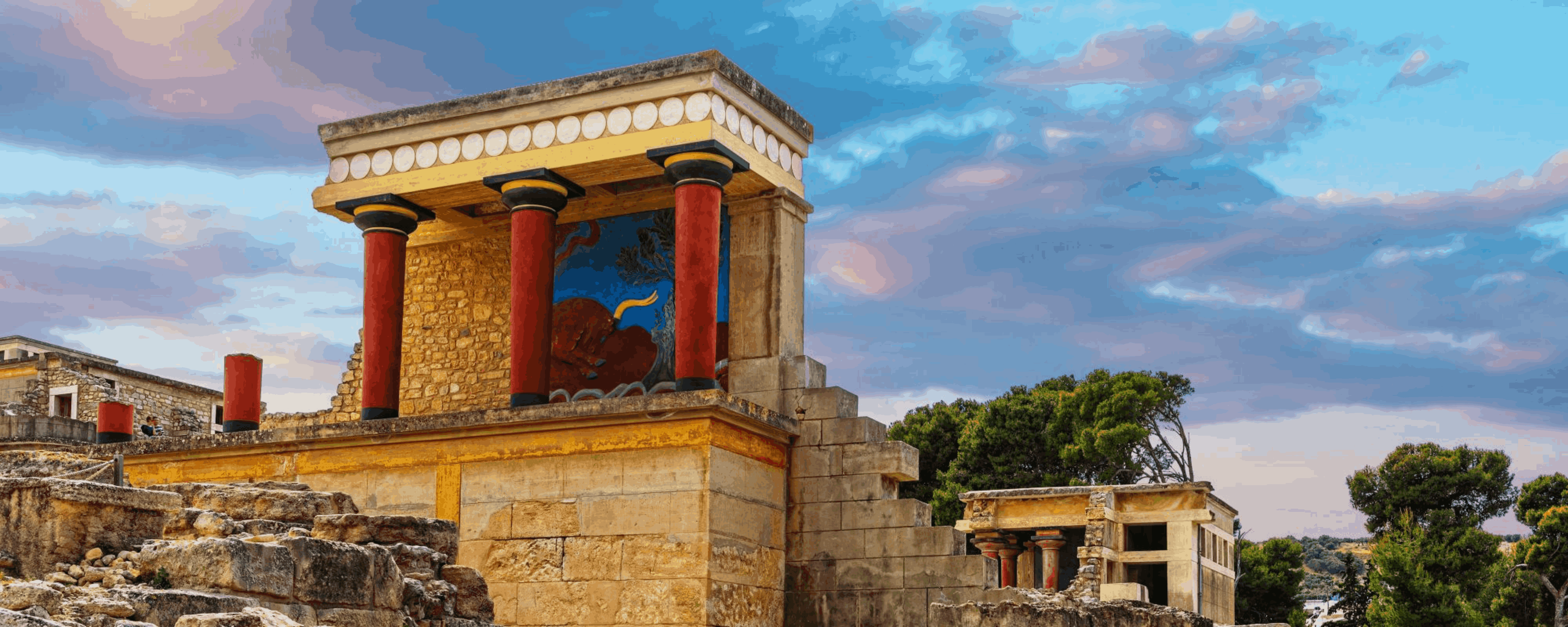
Learn more about Greece
Greece experiences a Mediterranean climate characterized by hot, dry summers and mild winters.
The best time to visit is from April to June and September to October, when temperatures are comfortable for exploring ancient ruins, island hopping, and coastal towns.
During the peak summer months from July to August, temperatures can exceed 35°C, and popular destinations such as Santorini and Mykonos become very busy.
A stay of 7 to 10 days will allow you to explore Athens, the islands like Santorini, Mykonos, and Crete, and historical sites like Delphi and Olympia.
Greece offers a wide range of travel experiences combining ancient history, island adventures, and Mediterranean culture. Visitors can enjoy guided tours of historic landmarks, sailing excursions between islands, and culinary experiences that showcase traditional Greek hospitality.
• Guided tours of ancient ruins and archaeological sites • Island-hopping cruises across the Aegean Sea • Food and wine tasting tours • Sailing and yachting excursions • Cultural walking tours in historic cities • Beach and coastal adventure activities
Greece is the cradle of Western civilization, with a rich history spanning thousands of years. It’s home to significant ancient monuments such as the Acropolis, Parthenon, and the ruins of ancient Olympia. Greece’s culture is deeply influenced by its ancient Greek heritage, as well as Byzantine, Ottoman, and modern influences. The food, music, dance, and festivals reflect this blend of history and tradition.
ATMs are available throughout Greece. Credit cards are widely accepted, but cash is still preferred in smaller towns, markets, and some restaurants. The Euro (EUR) is the currency. Currency exchange services are available in banks and airports.
Greek cuisine is known for its fresh Mediterranean ingredients, bold flavors, and traditional recipes passed down for generations.
• Moussaka (layered eggplant and meat casserole) • Souvlaki (grilled skewered meat) • Greek salad with feta cheese • Tzatziki (yogurt and cucumber dip) • Spanakopita (spinach and feta pastry) • Baklava (sweet pastry with honey and nuts)
Greece FAQs
Do I need a visa to travel to Greece?
Citizens of the EU, US, UK, Canada, Australia, and many other countries do not need a visa for tourist stays of up to 90 days within a 180-day period in Greece, as it is part of the Schengen Area. Travelers from countries without visa-free agreements must apply for a Schengen tourist visa before traveling. Always check current visa requirements based on your nationality.
Do I need to purchase travel insurance before traveling?
Travel insurance is not legally required for visa-free visitors, but it is strongly recommended. It can cover unexpected medical expenses, trip cancellations, delays, or lost luggage during your stay.
Is tipping customary in Greece?
Tipping is not mandatory but appreciated. In restaurants, leaving around 5–10% or rounding up the bill is common for good service. Tipping taxi drivers or hotel staff is optional.
Can I drink the water in Greece?
Tap water is generally safe to drink in major cities such as Athens and Thessaloniki. However, on some islands or remote areas the taste or mineral content may vary, so bottled water is commonly used by visitors.
What is internet access like in Greece?
Greece has widely available internet access, with Wi-Fi in hotels, cafes, restaurants, and many public spaces. Free Wi-Fi is common in major tourist areas and urban centers.
Can I use my mobile in Greece?
Mobile phone coverage is reliable across most of the country, including major islands. Visitors can use international roaming or purchase a local SIM card or eSIM for cheaper data and calls during their stay.
How do I stay safe and healthy while traveling?
Greece is generally a safe destination for travelers. As with any tourist hotspot, stay aware of your belongings in crowded areas to avoid pickpocketing. Use reputable transportation, follow local safety guidance, and stay hydrated during hot summer months.
Are trips accessible for travelers with disabilities?
Accessibility is improving across Greece. Many airports, hotels, and public transportation systems offer accessible facilities. However, some historic sites and older buildings may have limited accessibility due to their age and terrain, so it is advisable to check accessibility details in advance.