France Group Tours
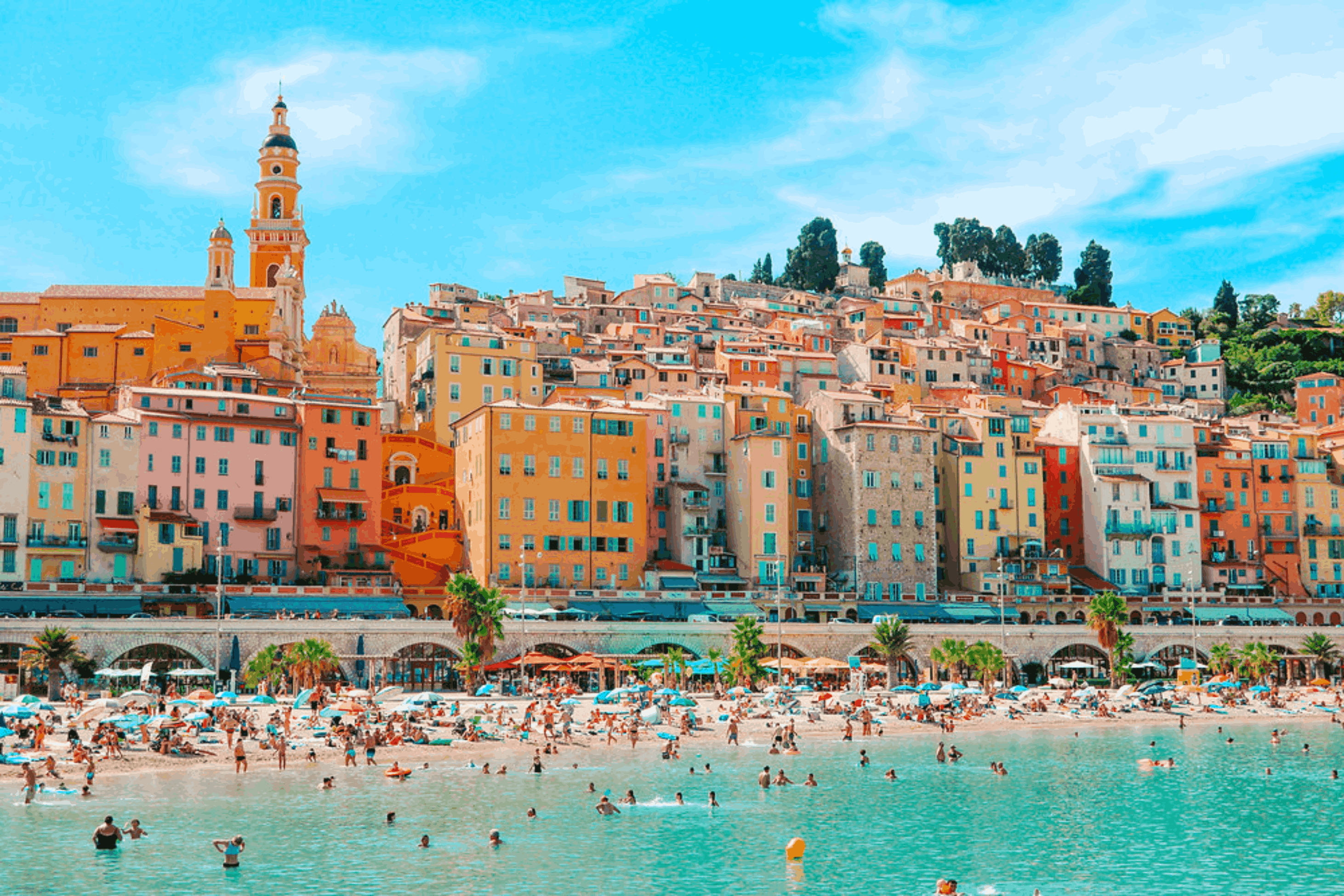
France is one of the most visited countries in the world, known for its rich history, iconic landmarks, world-class cuisine, and diverse landscapes. From the romantic streets of Paris and the vineyards of Bordeaux to the lavender fields of Provence and the beaches of the French Riviera, the country offers a wide range of travel experiences.
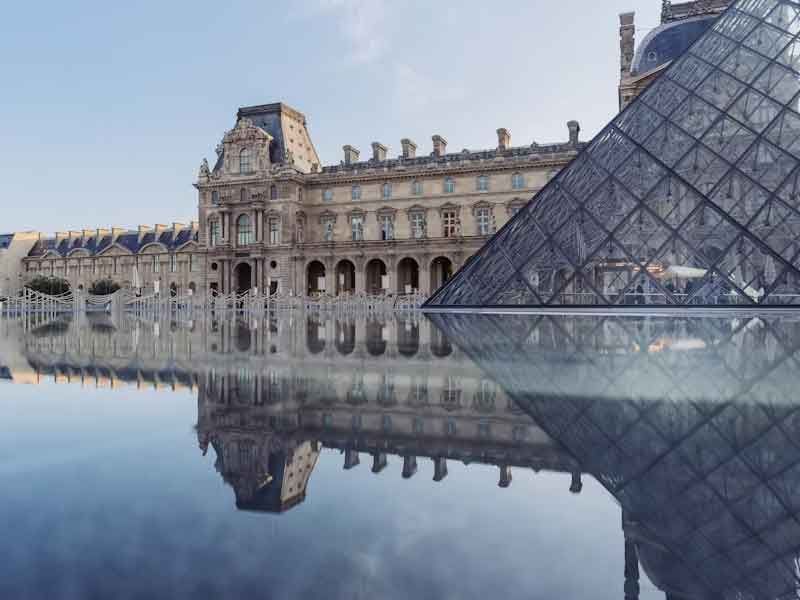
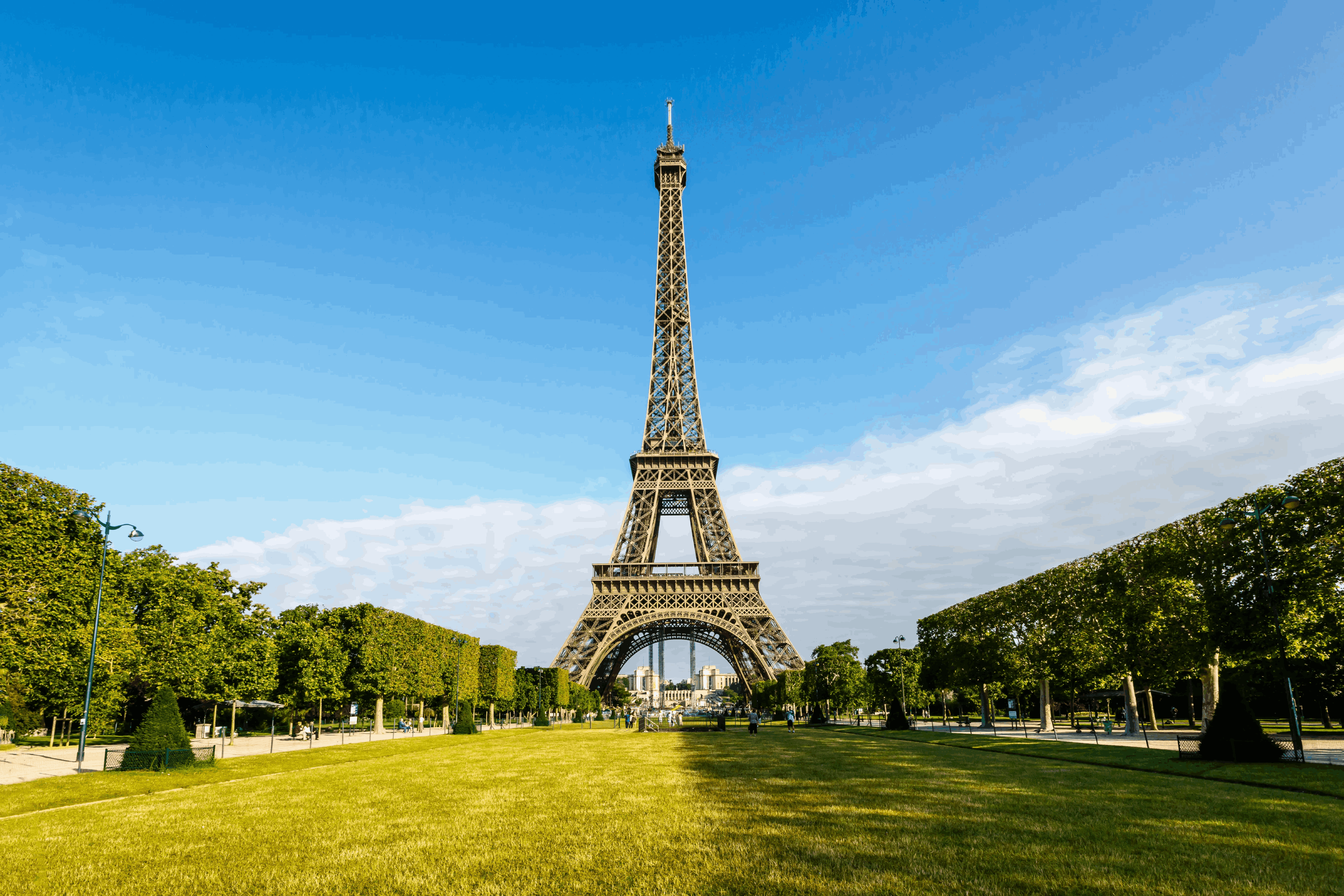
Visitors can explore medieval villages, historic castles, mountain ranges such as the Alps, and vibrant cities filled with art, culture, and gastronomy. France is also famous for landmarks such as the Eiffel Tower, the Louvre Museum, and the Palace of Versailles.
France at a glance
Paris
69 million
Euro (EUR)
French
+33
Type C & E (European 2-pin)
Central European Standard Time
Our France tours and holidays
Learn more about France
France experiences a temperate climate with regional variations ranging from Mediterranean warmth in the south to cooler conditions in northern areas.
The best time to visit France is from April to June and September to October, when temperatures are comfortable for sightseeing and exploring cities, countryside villages, and vineyards.
Summer months from June to August bring warm weather and vibrant festivals, though major tourist destinations such as Paris and the French Riviera can become crowded.
A 7–10 day trip is ideal to explore France comfortably.
France has a highly developed tourism infrastructure with a wide range of services available for travellers.
These include:
- International airports such as Paris Charles de Gaulle Airport
- High-speed trains through the TGV
- Extensive public transportation in cities
- Guided tours and cultural experiences
- Luxury hotels, boutique accommodations, and budget hostels
- River cruises and regional wine tours
France’s culture is deeply woven into everyday life, from its historic cities and grand monuments to its cafés, markets, and world-famous cuisine. Travelling through the country often feels like stepping through different periods of European history, with medieval towns, Renaissance castles, and modern cultural hubs existing side by side.
Many of France’s most iconic attractions reflect its long history. In Paris, visitors can explore landmarks such as the Eiffel Tower and the Louvre Museum, while the nearby Palace of Versailles showcases the grandeur of the French monarchy before the French Revolution reshaped the country’s political and social structure in the late 18th century.
Beyond the capital, France’s regions each offer their own cultural identity. The Loire Valley is known for its fairy-tale châteaux, Provence for its lavender fields and sun-soaked villages, and the French Riviera for its glamorous coastal lifestyle. Historic towns, cobblestone streets, and open-air markets allow visitors to experience local traditions that have been preserved for centuries.\
France has also played a major role in shaping global art and intellectual thought. The country was home to influential artists, writers, and philosophers, and museums across the country showcase masterpieces that helped define movements such as Impressionism and modern art.
Food is an essential part of French culture and daily life. Long lunches, local bakeries, fresh markets, and regional specialties reflect the country’s strong culinary traditions. In fact, French gastronomy is so significant that it has been recognized by UNESCO as part of the world’s intangible cultural heritage.
Today, France blends its historic traditions with modern creativity. Festivals, fashion, cinema, and culinary innovation continue to shape the country’s cultural identity, making it one of the world’s most influential and culturally rich travel destinations.
The official currency is the Euro (€).
Credit cards are widely accepted throughout France, particularly in hotels, restaurants, shops, and tourist attractions. However, it is still useful to carry some cash for small purchases, markets, cafés, or rural areas.
ATMs are widely available in cities and towns, and contactless payments are commonly used.
French cuisine is internationally renowned. Some must-try dishes include:
- Croissants and pastries – iconic French breakfast foods
- Baguette – a staple bread found throughout the country
- Coq au Vin – chicken braised with wine, mushrooms, and herbs
- Ratatouille – a vegetable dish from Provence
- Crêpes – thin pancakes served sweet or savoury
- Escargots – snails cooked with garlic butter
- Macarons – colourful almond meringue desserts
France is also famous for its cheese and wine culture, with hundreds of regional varieties.
France FAQs
Do I Need a Visa to Travel to France?
France is part of the Schengen Area. Visitors from many countries including the United States, Canada, the United Kingdom, Australia, and most European countries can travel visa-free for up to 90 days within a 180-day period for tourism. Entry requirements may change, so travellers should confirm the latest rules with their nearest French embassy or consulate before departure.
Is Tipping Customary in France?
Tipping is not mandatory in France because a service charge is already included in restaurant bills. However, leaving small change or rounding up the bill for excellent service is common and appreciated.
What Is the Internet Access Like in France?
France has fast and reliable internet infrastructure. Wi-Fi is widely available in hotels, cafés, restaurants, airports, and many public spaces. Major cities also offer free public Wi-Fi in certain areas.
Can I Use My Mobile Phone in France?
France has excellent mobile network coverage across cities, towns, and highways. Travellers can activate international roaming with their mobile provider or purchase a local SIM card for more affordable data usage.
What Are the Toilets Like in France?
Most hotels, restaurants, and public facilities have modern flush toilets. Public restrooms may sometimes require a small fee or be located in cafés, train stations, or shopping centres.
Can I Drink the Water in France?
Tap water in France is safe to drink and meets high public health standards.
Many restaurants also provide free tap water when requested.
Are Credit Cards Widely Accepted?
Credit and debit cards are widely accepted across France. Contactless payment is common, but carrying some cash is useful for small purchases, markets, or rural areas.
What Is ATM Access Like in France?
ATMs are widely available throughout cities and towns and generally accept international debit and credit cards.
Do I Need Travel Insurance?
Soca Islands strongly recommends that travellers purchase travel insurance before departure. Your policy should ideally cover medical expenses, emergency evacuation, trip cancellation, and lost baggage.
Staying Safe and Healthy While Travelling
Before travelling, we recommend checking travel advisories from your government and reviewing health guidance from the World Health Organization. Travelling informed helps ensure a safe and enjoyable experience in France.