
Croatia Group Tours
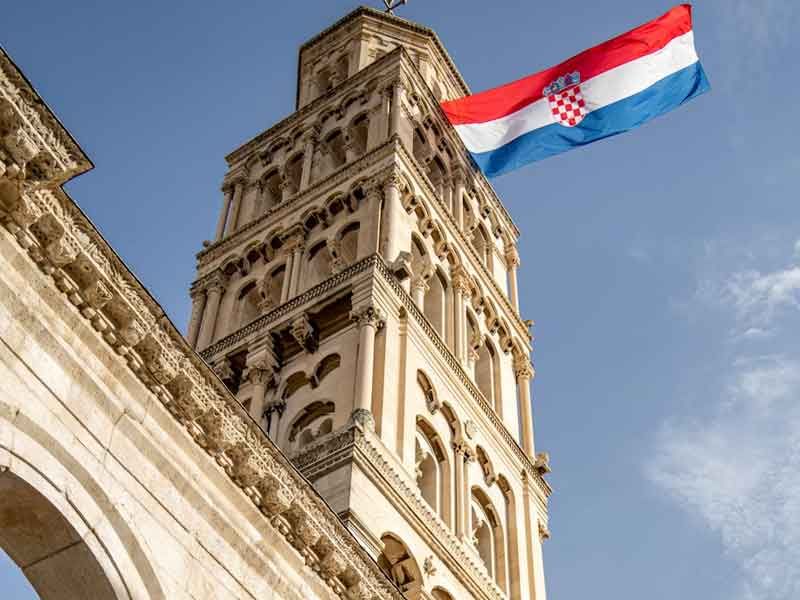
Croatia is one of Europe’s most scenic coastal destinations, famous for its crystal-clear Adriatic waters, historic walled cities, and over a thousand islands scattered along the coastline. Travellers come to Croatia for its blend of Mediterranean charm, historic architecture, and natural beauty.
The country offers a wide range of experiences, from exploring the medieval streets of Dubrovnik to wandering through Roman ruins in Split. Visitors can also discover stunning national parks such as Plitvice Lakes National Park, known for its turquoise lakes and cascading waterfalls.
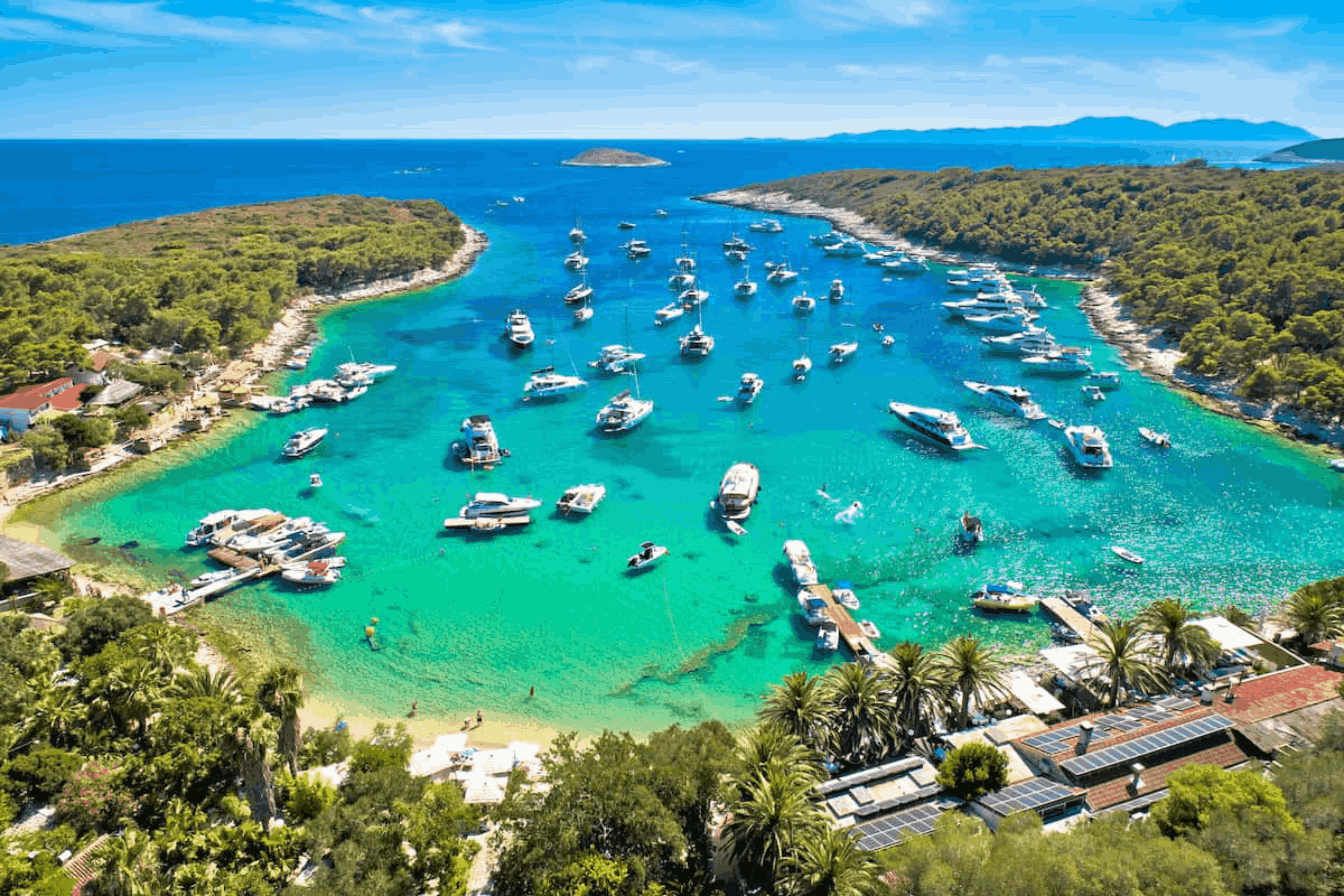
Croatia is also a popular destination for sailing and island hopping, with coastal towns offering relaxed seaside lifestyles, fresh seafood cuisine, and vibrant summer festivals.
Croatia at a glance
Zagreb
3.9 million
Euro (€)
Croatian
+385
Type C & F (European 2-pin)
Central European Time (CET)
Our Croatia tours and holidays
Learn more about Croatia
Croatia experiences a Mediterranean climate along the Adriatic coast and a more continental climate inland. Summers are warm and sunny, while winters are cooler with occasional snowfall inland.
The best time to visit Croatia is from May to September, when the weather is ideal for coastal exploration, sailing, and visiting historic towns such as Dubrovnik and Split.
Peak summer months from July to August bring warm temperatures and vibrant nightlife along the coast, while the shoulder seasons of May–June and September offer pleasant weather with fewer crowds.
7–10 days is ideal to explore coastal towns, islands, and national parks.
Croatia offers stunning coastal scenery, historic towns, and island adventures along the Adriatic Sea. Travelers can explore medieval cities, sail between islands, and enjoy outdoor activities surrounded by natural beauty.
• Guided tours of historic coastal cities • Island-hopping boat excursions • National park and waterfall tours • Cultural walking tours in old towns • Sailing and yachting experiences • Adventure activities such as kayaking and hiking
Croatia’s culture reflects centuries of influence from powerful European empires including the Romans, Venetians, and Austro-Hungarians. These influences can still be seen in the architecture, traditions, and historic cities across the country.
One of Croatia’s most impressive historical sites is Diocletian's Palace in Split, a massive Roman palace built in the 4th century that now forms the heart of the city’s old town. Visitors can walk through narrow stone streets, ancient courtyards, and historic markets that have been in use for centuries.
Meanwhile, Dubrovnik developed as a powerful maritime republic during the Middle Ages. Its impressive stone walls, towers, and forts still overlook the Adriatic Sea and remain among the best-preserved medieval city defenses in the world.
Today Croatia blends this rich history with modern Mediterranean lifestyle. Local traditions, seafood cuisine, island festivals, and coastal culture create an atmosphere that feels both historic and relaxed.
Credit cards are widely accepted, though cash may be useful in small towns and islands.
Croatian cuisine reflects Mediterranean and Central European influences, with fresh seafood along the coast and hearty dishes inland.
• Grilled Adriatic seafood • Peka (meat and vegetables slow-cooked under a lid) • Black risotto with cuttlefish • Ćevapi (grilled minced meat sausages) • Fresh oysters from the Adriatic • Croatian pastries and desserts
Croatia FAQs
Do I need a visa to travel to Croatia?
Citizens of the EU, US, UK, Canada, Australia, and many other countries can travel visa-free to Croatia for up to 90 days within a 180-day period, as Croatia is part of the Schengen Area.
Do I need to purchase travel insurance before traveling?
Travel insurance is recommended to cover medical emergencies, cancellations, and lost luggage.
Is tipping customary in Croatia?
Tipping is appreciated but not mandatory. Leaving around 5–10% for good service in restaurants is common.
Can I drink the water in Croatia?
Yes. Tap water in Croatia is safe to drink and meets European health standards.
What is internet access like in Croatia?
Wi-Fi is widely available in hotels, restaurants, and cafés, especially in tourist areas.
Can I use my mobile in Croatia?
Mobile coverage is reliable across cities, towns, and most islands.
How do I stay safe and healthy while traveling?
Croatia is considered a very safe destination for travelers. Visitors should still take common precautions in crowded tourist areas.
Are trips accessible for travelers with disabilities?
Accessibility is improving, particularly in newer hotels and major cities, though historic areas may have cobblestone streets or steps.