
Austria Group Tours
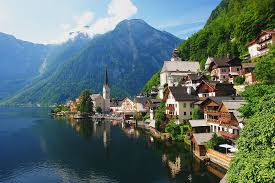
Austria offers a refined and scenic travel experience, known for its elegant cities, alpine landscapes, classical music heritage, and well-preserved cultural traditions. Travelers can move between imperial capitals like Vienna, picturesque towns such as Salzburg, and dramatic mountain regions, all within a relatively compact and well-connected country.
This combination makes Austria ideal for travelers seeking both cultural depth and natural beauty. Visitors can enjoy world-class museums, historic architecture, and music history while also exploring lakes, valleys, and alpine scenery. The country’s clean, organized, and efficient environment further enhances the overall travel experience.
Austria’s appeal lies in its balance offering sophistication and relaxation, history and nature, all within a setting that feels both accessible and visually striking.
Austria at a glance
Vienna
9 million
Euro (EUR)
German
+43
Type C & F plugs
Central European Time (CET, UTC+1)
Our Austria tours and holidays
Learn more about Austria
The best time to visit is from May to September for sightseeing and outdoor activities, with warm weather and clear conditions. December is also a major highlight due to Christmas markets and winter charm, while the winter months attract visitors for skiing in alpine regions.
5 to 10 days is ideal for Austria, depending on the depth of travel. A shorter trip can cover Vienna and Salzburg, while a longer itinerary allows for exploration of alpine regions, smaller towns, and lakes. Austria also works well as part of a multi-country itinerary, making it flexible for both standalone trips and combined European travel.
Austria has a highly developed tourism infrastructure, offering a wide range of accommodations including luxury hotels, boutique stays, guesthouses, and hostels. Transportation is efficient, with a strong rail network, reliable buses, and well-maintained roads for driving.
Travelers can easily access guided tours, cultural experiences, concert bookings, and outdoor excursions. Cities like Vienna and Salzburg provide extensive services, including public transportation, organized tours, and online booking platforms. Alpine regions are also well-equipped with tourism services, especially for seasonal activities like hiking and skiing. Overall, Austria is very accessible for both guided and independent travel.
Austria’s culture is deeply influenced by its history as the center of the Habsburg Empire, which shaped much of Central Europe for centuries. This legacy is visible in grand palaces, historic cities, and a strong tradition of art, music, and architecture.
Vienna, in particular, has long been a cultural hub, associated with composers like Mozart and Strauss, and continues to be known for its classical music scene and elegant café culture. Across the country, traditions remain an important part of daily life, from festivals and folk customs to regional dress and cuisine.
Austria’s identity blends imperial sophistication with regional charm, and this is reflected in its food, architecture, and social customs. Visitors experience this through historic landmarks, music performances, and culinary traditions that include dishes like schnitzel, pastries, and alpine specialties.
Austria uses the Euro (EUR) as its official currency, and both cash and card payments are widely accepted throughout the country. In cities like Vienna and Salzburg, credit and debit cards are commonly used in hotels, restaurants, and shops, while smaller towns and traditional establishments may still prefer cash for smaller purchases.
ATMs are readily available, and banking services are easy to access. Contactless payments are widely supported, making transactions convenient for most travelers. Tipping is customary in Austria, usually around 5% to 10% in restaurants, and is often given by rounding up the bill rather than leaving cash on the table.
Wiener schnitzel, apfelstrudel, sachertorte, tafelspitz (boiled beef), goulash, Austrian coffee specialties, and pastries.
Austria FAQs
Do I Need a Visa to Travel to Austria? Austria is part of the Schengen Area. Travelers from the EU, UK, US, Canada, Australia, and many other countries can visit visa-free for up to 90 days within a 180-day period. Check entry requirements before departure.
Is Tipping Customary in Austria? Yes. Tipping of around 5–10% is common in restaurants, usually by rounding up the bill.
What Is the Internet Access Like in Austria? Austria has fast and reliable internet. Wi-Fi is widely available in hotels, cafes, and public spaces.
Can I Drink the Water in Austria? Yes. Tap water is clean, safe, and of high quality throughout the country.
Are Credit Cards Widely Accepted? Cards are widely accepted in cities and tourist areas, though smaller establishments may prefer cash for smaller purchases.
Do I Need Travel Insurance? Travel insurance is not mandatory for most travelers but is highly recommended for coverage during your trip.