
St. Kitts & Nevis Group Tours
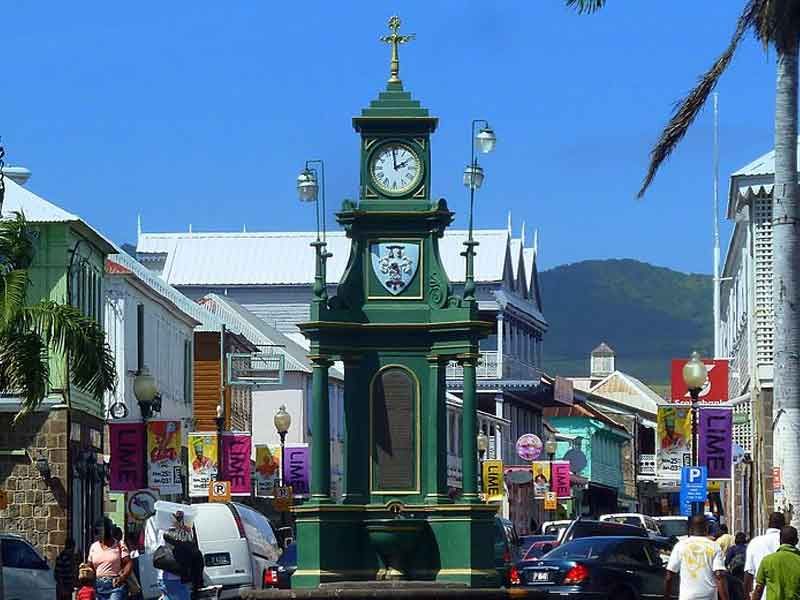
These twin islands are small in size but big on experience. St. Kitts brings history to life with sites like Brimstone Hill Fortress, while Nevis offers a serene, elegant retreat filled with natural hot springs and colonial charm. Together, they deliver a perfect balance of relaxation, heritage, and nature. Whether you're hiking up Mount Liamuiga, snorkeling in calm waters, or dancing at St. Kitts Carnival, you're in for a soulful island experience that feels both intimate and enriching.
St. Kitts & Nevis at a glance
Bassesterre
47k
Eastern Caribbean Dollar (XCD)
English
+1-869
Type A, B & G plugs
Atlantic Standard Time (AST, UTC-4)
Our St. Kitts & Nevis tours and holidays

Learn more about St. Kitts & Nevis
The best time to visit St. Kitts and Nevis is from December to April, during the dry season. This period offers sunny skies, pleasant temperatures, and is perfect for beach outings, hiking, and cultural events like the St. Kitts Music Festival. It's also the peak tourist season, so book accommodations early. For fewer crowds and lower prices, consider visiting in May or June before hurricane season begins.
A 5 to 7-day stay is ideal to explore both St. Kitts and Nevis. This allows enough time to relax on the beaches, enjoy water sports, hike Mount Liamuiga, explore historic sites like Brimstone Hill Fortress, and experience local culture and cuisine.
St. Kitts and Nevis offers a variety of travel services including car and scooter rentals, guesthouses, boutique hotels, resorts, taxi services, guided tours, boat charters, and ferry transportation between the islands. Visitors also have access to ATMs, currency exchange, mobile SIM cards, and healthcare facilities in both islands.
St. Kitts and Nevis boasts a rich history and vibrant culture shaped by its colonial past and diverse influences. Originally inhabited by the Arawak and Carib peoples, the islands were first colonized by the British in the 17th century, making them one of the earliest European colonies in the Caribbean. The islands were key players in the sugar trade, with enslaved Africans brought to work on the sugar plantations. This history of colonization, slavery, and trade left a lasting imprint on the islands' culture.
Today, St. Kitts and Nevis is a blend of African, European, and Caribbean traditions, reflected in its music, art, and festivals. The islands are known for their lively music scene, particularly calypso, steelpan, and soca, with Carnival being the highlight of the cultural calendar. The islands also celebrate other festivals, including Independence Day, marking their independence from the United Kingdom in 1983, and National Heroes Day. Local cuisine is deeply influenced by African, British, and indigenous ingredients and cooking methods, while the islands' architecture and traditions reflect their colonial past.
The people of St. Kitts and Nevis are known for their warmth and hospitality, making the islands a welcoming destination for visitors. The culture is a unique fusion of old and new, offering a deep connection to its history and a vibrant, contemporary Caribbean lifestyle.
In St. Kitts and Nevis, the official currency is the East Caribbean Dollar (XCD), though US Dollars (USD) are widely accepted, especially in tourist areas, hotels, and major businesses. However, it’s advisable to carry XCD for smaller transactions and local vendors.
ATMs are readily available in Basseterre (the capital) and other towns, allowing you to withdraw XCD. Major credit cards, such as Visa and MasterCard, are also widely accepted, but it's always a good idea to notify your bank before traveling to avoid any issues with international payments.
When tipping, 10-15% is typical in restaurants if service charge is not included, and small amounts in XCD or USD are appreciated for other services such as taxi rides and hotel staff. Be sure to carry cash for markets and smaller establishments that may not accept cards.
While many international currencies can be exchanged at banks and exchange offices, XCD is the preferred and most commonly used currency on the islands.
When visiting St. Kitts and Nevis, there are several must-try local dishes that offer a taste of the islands' rich culinary heritage. You can savor Stew Goat, a slow-cooked goat dish with spices and vegetables, often served with rice or dumplings. Conch, a local marine delicacy, is commonly served in soups, salads, or fritters, while Saltfish and Dumplings make for a popular breakfast choice. Another favorite is Johnny Cakes, fried dough balls enjoyed with butter, cheese, or jam. For more adventurous eaters, Turtle Soup made from locally caught green sea turtles is a traditional dish, and Pepper Pot Soup, a hearty mix of meat and vegetables, is often served on special occasions. For dessert, try the sweet Coconut Tart, filled with coconut, sugar, and spices. And no visit is complete without tasting the famous St. Kitts Rum, a true island staple. These dishes perfectly capture the unique flavors of the region.
St. Kitts & Nevis FAQs
Do I need a visa to travel to St. Kitts and Nevis? Whether you need a visa depends on your nationality. Citizens of many countries, including the United States, Canada, the United Kingdom, and most EU nations, do not require a visa for short visits—typically up to 90 days. Visitors must have a valid passport (generally with at least six months’ validity), proof of onward or return travel, and sufficient funds for their stay. For longer stays or for purposes such as work or study, a visa may be required. It’s best to check with the nearest St. Kitts and Nevis consulate or embassy for the latest entry requirements based on your nationality.
Do I need to purchase travel insurance before traveling? Yes. All travelers with Soca Islands are required to have travel insurance prior to the start of their trip. Your insurance details will be recorded by your trip leader on day one. Since healthcare access and costs can vary, travel insurance is essential to cover medical emergencies, lost luggage, cancellations, and other unexpected events.
Is tipping customary in St. Kitts and Nevis? Yes. Tipping is customary, though not mandatory. In restaurants, a tip of 10-15% is typical if a service charge hasn’t been included. For taxi drivers, hotel staff, or tour guides, a tip of $1-$5 USD (or the local equivalent in XCD) is appreciated depending on the service provided. It's a good idea to carry small change or local currency for tipping. Can I drink the water in St. Kitts and Nevis? Tap water in St. Kitts and Nevis is generally safe to drink, especially in cities like Basseterre and at most hotels. However, in rural areas or after heavy rainfall, it’s advisable to stick to bottled or filtered water as a precaution. Many locals and visitors choose bottled water for added peace of mind. What is the internet access like in St. Kitts and Nevis? Internet access is widely available in urban areas like Basseterre, with most hotels, cafes, and restaurants offering Wi-Fi. In more remote areas, connectivity may be slower, but mobile data from local providers like Flow and Digicel works well in most areas. Can I use my mobile in St. Kitts and Nevis? Yes, mobile phone coverage is generally reliable across St. Kitts and Nevis, especially in towns and tourist areas. Providers like Flow and Digicel offer prepaid SIM cards and affordable data plans. If you’re using your own carrier, make sure international roaming is activated before your arrival. Some remote or mountainous areas may have patchy coverage. How do i stay safe and healthy while traveling? Soca Islands prioritizes your safety and well-being. St. Kitts and Nevis is considered a safe destination, but like any country, it's important to stay aware of your surroundings, especially at night. Stay hydrated, wear sunscreen, and follow any health guidelines. We also recommend checking your government’s travel advisory before your trip for the most up-to-date safety tips. Are Soca Islands trips accessible for travelers with disabilites? We believe travel should be inclusive and accessible. While not all locations in St. Kitts and Nevis are fully accessible, we do our best to accommodate your needs, make reasonable adjustments, and suggest itineraries that suit your requirements. Feel free to discuss your accessibility needs with us in advance.