Saint Martin Group Tours
St. Martin/Sint Maarten is a Caribbean treasure where French flair meets Dutch fun on one island. This unique dual‑nation destination offers a mix of cosmopolitan beach resorts, seaside cafés, buzzing nightlife, and quiet coves. The Dutch side (Sint Maarten) is known for duty‑free shopping, casinos, and lively boardwalks. The French side (Saint Martin) offers gourmet dining, artisan boutiques, and a more relaxed, European vibe.
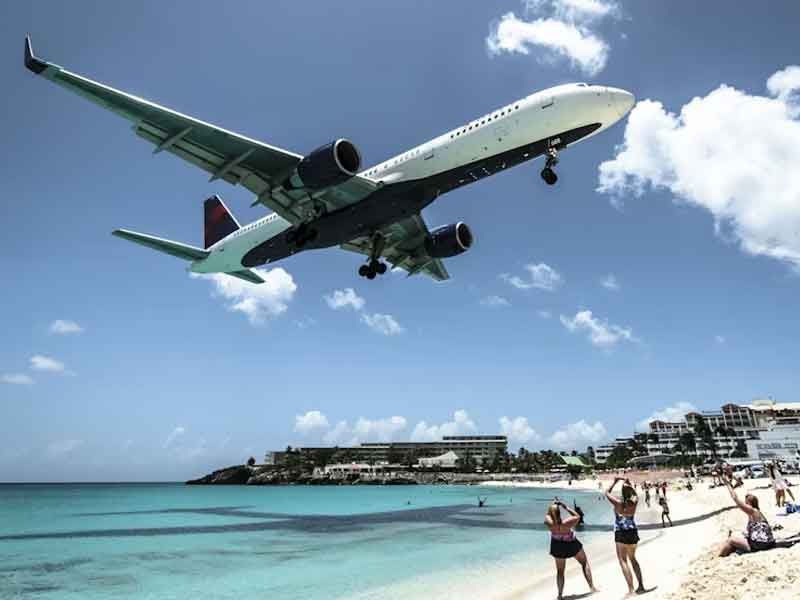
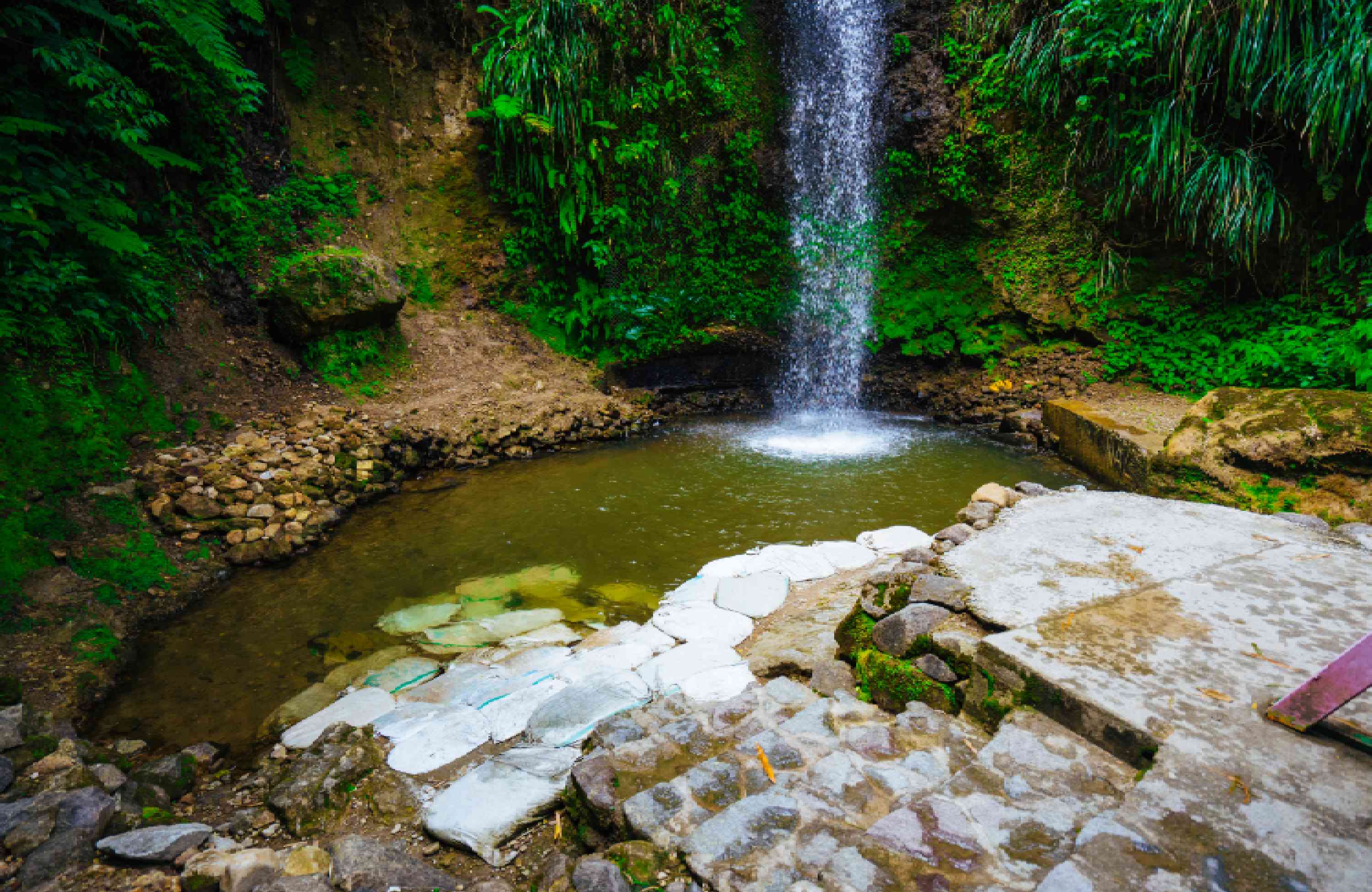
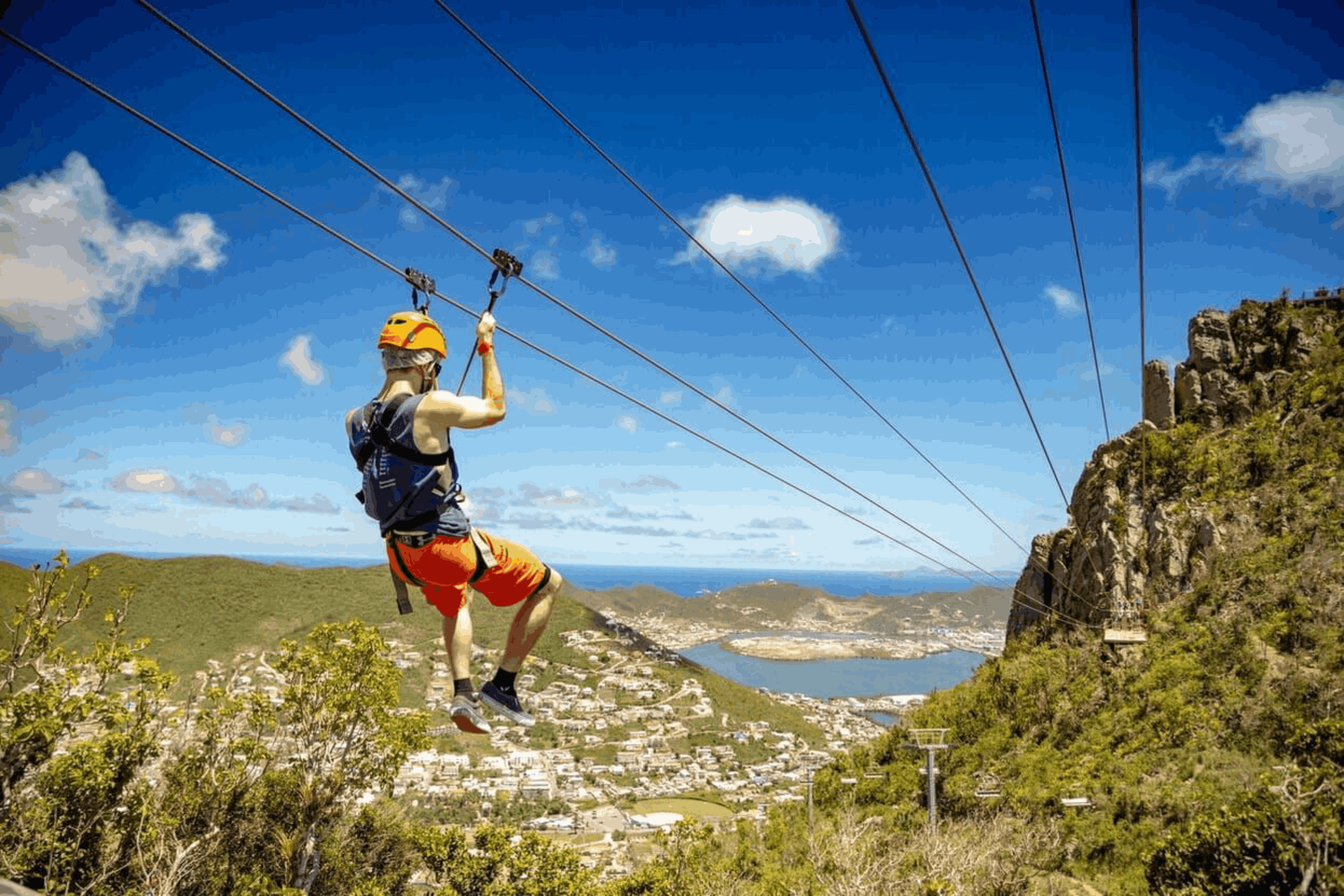
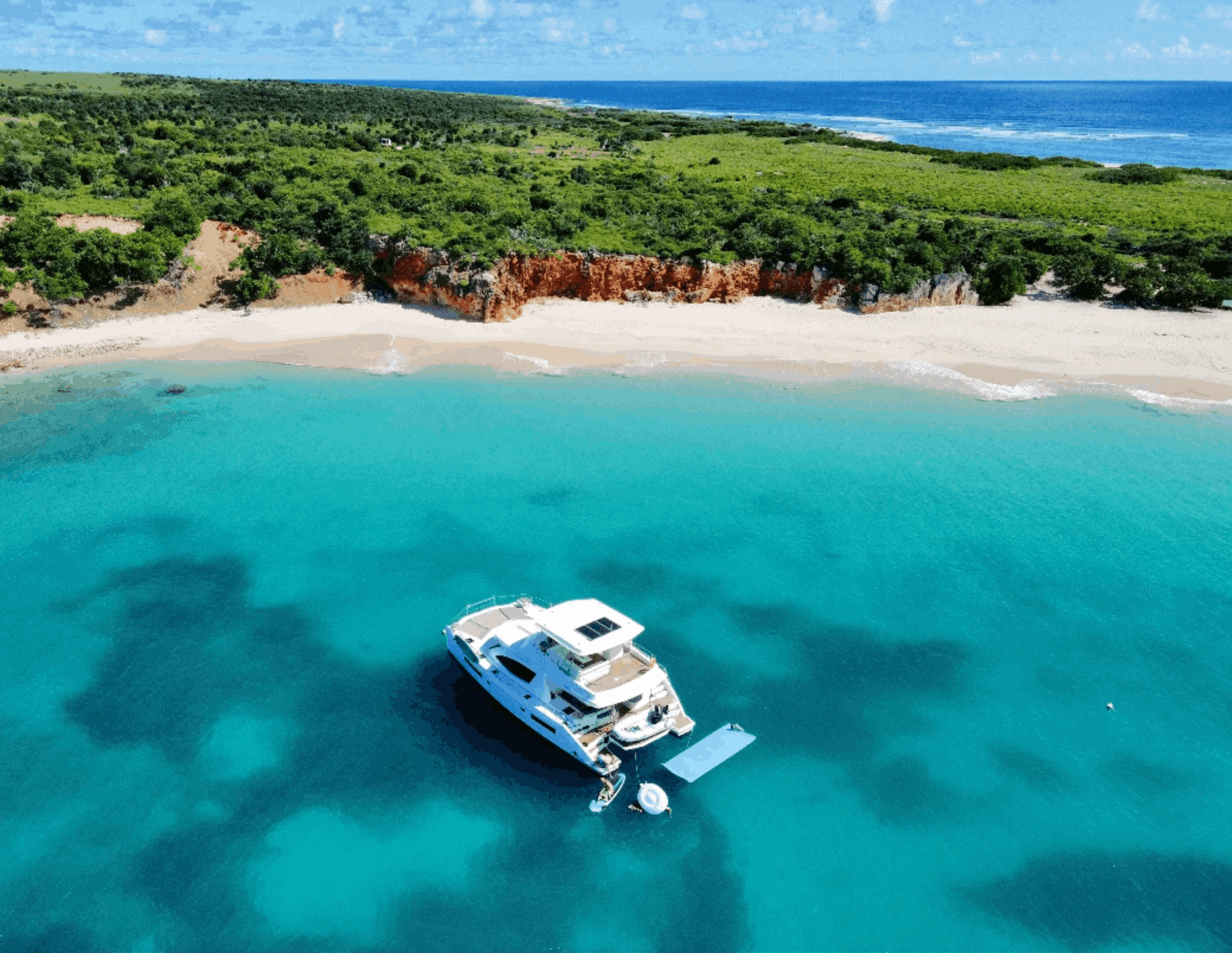
Crystal‑blue waters and sandy beaches such as Maho Beach (famous for low‑flying planes) and Orient Bay attract sunseekers, snorkelers, and water sports lovers. Inland, lush hills and hidden coves invite hiking, ATV tours, and scenic views. Whether you’re exploring French patisseries or Dutch‑style markets, this island combines Caribbean warmth with multicultural flavor.
Saint Martin at a glance
Phillipsburg and Marigot
75,000
Netherlands Antillean Guilder (ANG) and Euro (EUR)
Dutch side – Dutch & English; French side – French & English
+1 721
Type C, E & F (European 2-pin)
GMT –4
Our Saint Martin tours and holidays
Learn more about Saint Martin
Saint Martin experiences a tropical maritime climate with warm temperatures and cooling ocean breezes throughout the year. Average temperatures typically range from 25°C to 31°C.
The best time to visit is between December and April, during the dry season when the weather is sunny and comfortable for beach outings, sailing, and outdoor dining. The hurricane season from June to November can bring occasional storms and heavier rainfall, although many travelers still visit during these months for lower prices and fewer crowds.
5–10 days
Saint Martin is well‑equipped for visitors with services covering adventure, relaxation, and culture:
- Guided cultural and historic tours
- Water sports (snorkel, scuba dive, kiteboard)
- Beach excursions and boat trips
- Casinos and nightlife
- Island shopping and culinary experiences
- Hotels, resorts, guesthouses, & villas
Saint Martin has a rich cultural heritage shaped by indigenous peoples, European colonization, and Creole tradition. Originally inhabited by Arawak and Carib peoples, the island became a point of interest for Spanish, French, and Dutch explorers in the 17th century. Ultimately, France and the Netherlands agreed to share the island peacefully in 1648, creating the world’s smallest land mass divided between two nations a unique legacy that remains today.
The French side retains strong European influences in its cuisine, language, and architecture, while the Dutch side reflects Dutch Caribbean cultural flair with festivals, nightlife, and commerce. Local music, dance, and religious celebrations often blend African, European, and Caribbean traditions, creating vibrant cultural expression throughout the year.
Visitors to Saint Martin can experience French‑style bakeries, open‑air markets, Carnival celebrations, and multicultural cuisine. The island’s festivals, parades, and live music events showcase a fusion of traditions that reflect centuries of intercultural exchange.
Travelers should be aware of the dual‑currency system: Euro on the French side and Netherlands Antillean Guilder on the Dutch side. ATMs and card acceptance are widely available in both areas, though cash is useful for market purchases and small vendors.
Saint Martin cuisine blends French, Dutch, and Creole flavors:
- Johnny Cakes
- Colombo Chicken
- Accras (cod fritters)
- Frites with spicy sauces
- Fresh grilled seafood
- Guavaberry rum specialties
Saint Martin FAQs
Do I need a visa to travel to Saint Martin? Visa requirements depend on your nationality. Citizens of many countries, including the US, Canada, UK, and EU, do not require a visa for short stays. Always verify with the French or Dutch consulate based on which side you plan to visit.
Do I need to purchase travel insurance before travelling? Yes. Travel insurance is essential to cover medical services, trip cancellation, lost luggage, and emergency evacuation.
Is tipping customary in Saint Martin? Tipping is appreciated, especially in restaurants, bars, and for tour guides. Around 10–15% is common if service isn’t included.
Can I drink the water in Saint Martin? Tap water is generally safe in most areas, but some travelers prefer bottled water for taste and peace of mind.
What is the internet access like in Saint Martin? Internet is widely available in hotels, cafes, and resorts. Speeds and connectivity vary outside major towns.
Can I use my mobile in Saint Martin? Mobile coverage is good. Most international roaming plans work here, but local SIM cards can be more affordable.
How do I stay safe and healthy while travelling? Saint Martin is generally safe. Be aware of your surroundings, especially at night. Use sunscreen, stay hydrated, and follow local advisories.
Are Soca Islands trips accessible for travelers with disabilities? Accessibility is improving, especially in major hotels and some beaches, though historic zones or rugged terrain may present challenges. Discuss your needs in advance.