
Guyana Group Tours
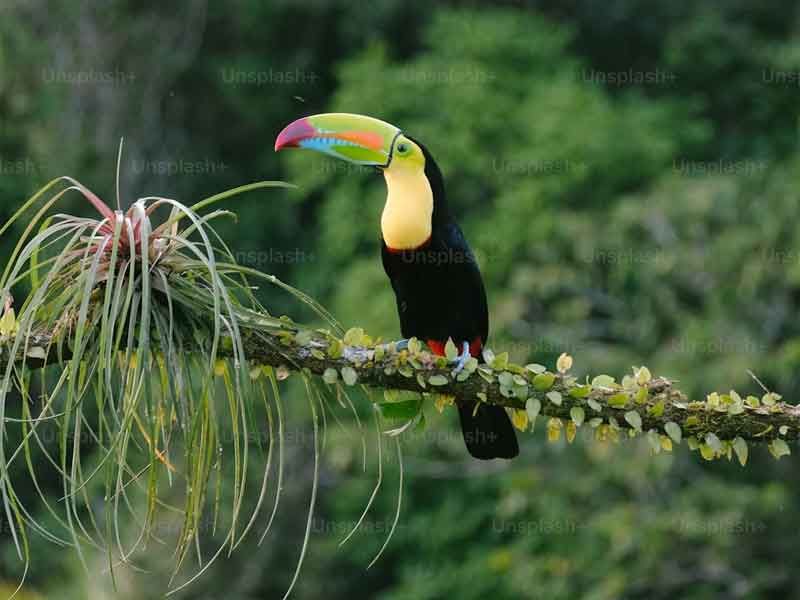
Guyana, located on the northeastern coast of South America, is a land of pristine rainforests, mighty rivers, and indigenous cultures. It’s one of the continent’s least visited and most naturally abundant countries, with landscapes ranging from savannahs and waterfalls to coastal plains. The mighty Kaieteur Falls one of the world’s tallest single‑drop waterfalls — is a highlight for adventurous travelers, while the Essequibo River offers jungle boat tours and wildlife encounters.
The capital, Georgetown, reflects colonial British heritage with its wooden architecture, botanical gardens, and bustling markets. Guyana’s blend of Creole, East Indian, Amerindian, and African heritage creates a vibrant cultural mosaic celebrated through food, music, festivals, and community life.
Guyana at a glance
Georgetown
800,000
Guyanese Dollar (GYD)
English (official), Guyanese Creole
+592
Type A, B, D & G (Mixed international plugs)
GMT –4
Our Guyana tours and holidays
Learn more about Guyana
Guyana has a tropical climate characterized by warm temperatures, high humidity, and seasonal rainfall. Temperatures usually range between 24°C and 31°C throughout the year.
The best time to visit is during the dry seasons from August to November and February to April, when rainfall is lower and conditions are better for exploring rainforests, rivers, and wildlife reserves. During the wetter months, some interior travel routes may become more difficult due to heavy rain.
7–12 days
Guyana provides experiences for nature and culture lovers:
- Jungle and river tours
- Kaieteur Falls excursions
- Birdwatching and wildlife safaris
- Heritage tours in Georgetown
- Indigenous village visits
- Guesthouses, lodges, and eco‑tours
Guyana’s indigenous peoples including the Arawak, Carib, and Warao have lived on the land for millennia, reflected in art, language, and seasonal traditions. European colonization by the Dutch and British brought sugar plantations, fortified towns, and a diverse workforce drawn from Africa and India. Guyana gained independence from Britain in 1966 and became a republic in 1970.
Cultural life in Guyana is rich with festivals like Mashramani, vibrant music, and celebratory dance. Creole, East Indian, and Amerindian influences shape cuisine, crafts, and ceremonies. Folk traditions, storytelling, and community gatherings are central to Guyanese life.
Travelers can meet local artisans, explore heritage sites, and experience river culture along the Essequibo, Rupununi, and Demerara regions, gaining insight into a country where history and nature converge.
ATMs are available in Georgetown; credit cards accepted in larger establishments but cash is preferred elsewhere.
Guyana’s cuisine reflects its multicultural heritage:
- Pepperpot (slow‑cooked meat stew)
- Roti with curry
- Metemgee (stew with ground provisions)
- Cook‑up rice
- Cassava bread
- Fresh tropical fruits
Guyana FAQs
Do I need a visa to travel to Guyana? Visa requirements depend on nationality; many travelers must obtain a visa before arrival. Check with the Guyanese consulate or embassy.
Do I need to purchase travel insurance before travelling? Yes. Travel insurance is recommended to cover medical costs, trip delays, and emergencies.
Is tipping customary in Guyana? Tipping is not mandatory but appreciated; small gratuities in service areas are welcome.
Can I drink the water in Guyana? Tap water is not always safe; bottled or filtered water is recommended.
What is the internet access like in Guyana? Internet service is available in urban areas like Georgetown; speeds can be slower in rural regions.
Can I use my mobile in Guyana? Coverage is decent in towns; remote jungle areas may be without signal. Local SIM cards are recommended.
How do I stay safe and healthy while travelling? Guyana is generally safe; take precautions in remote areas and follow health advisories for vaccinations and malaria prevention.
Are Soca Islands trips accessible for travelers with disabilities? Accessibility may vary outside major centers; urban accommodations are more likely to have accessible facilities.