Guadeloupe Group Tours
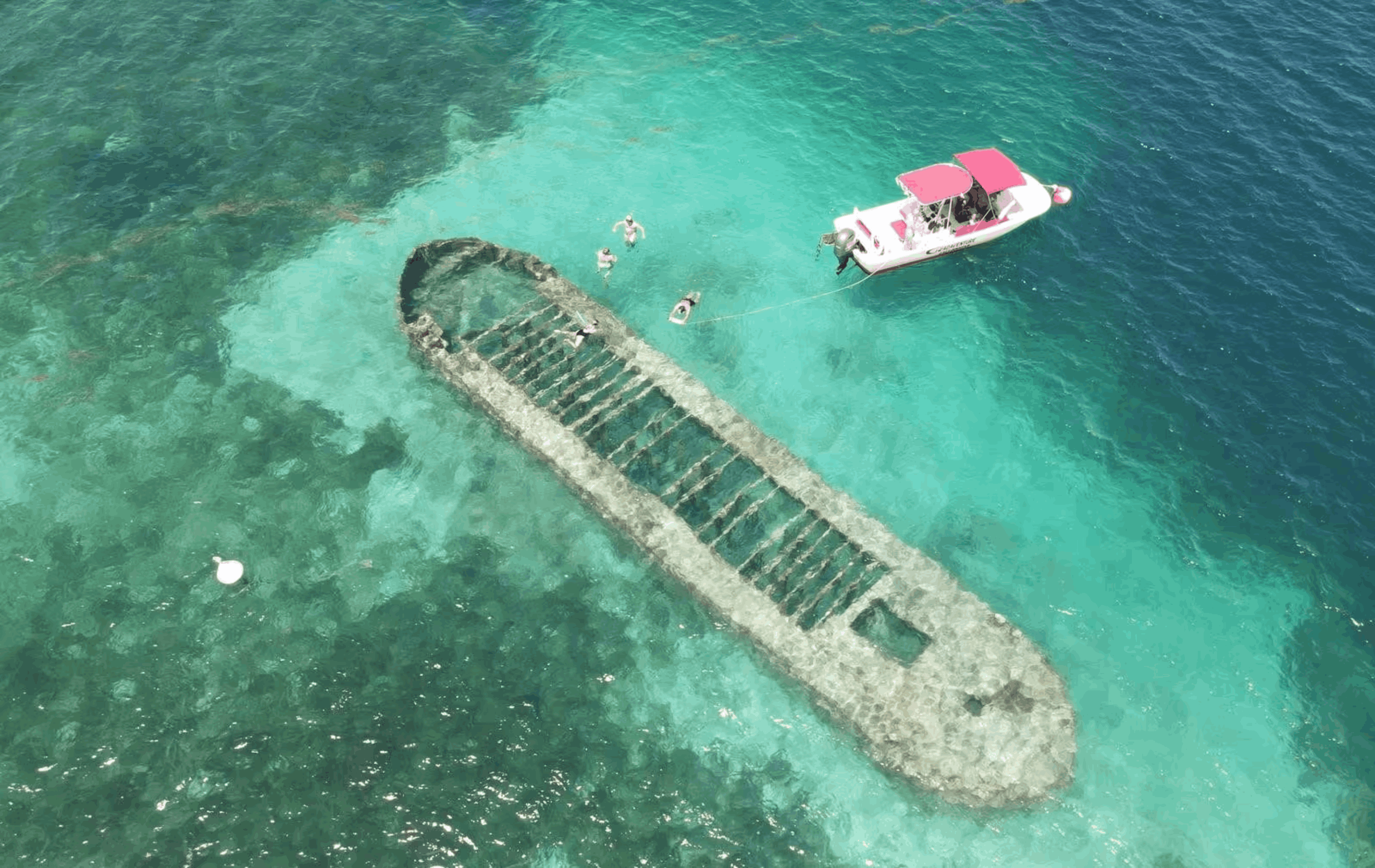
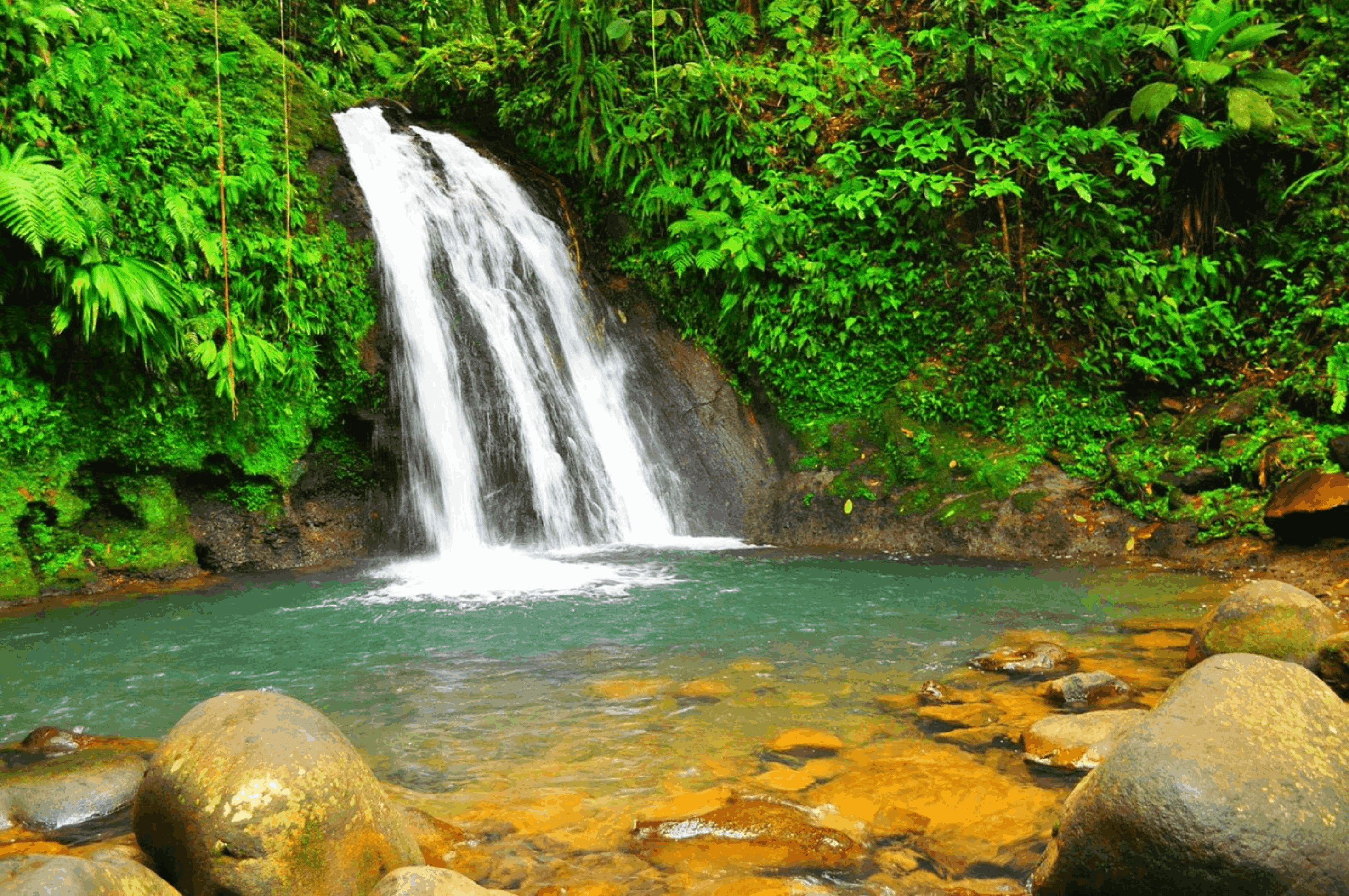
Guadeloupe is an archipelago in the Caribbean composed of two main islands Basse‑Terre and Grande‑Terre connected by a bridge, plus several smaller islands. With lush rainforests, volcanic peaks, white sand beaches, and vibrant culture, Guadeloupe offers a perfect blend of adventure and relaxation. Basse‑Terre boasts rainforest hikes, waterfalls, and the active La Soufrière volcano, while Grande‑Terre offers coastal resorts, coral reefs, and calm bays.
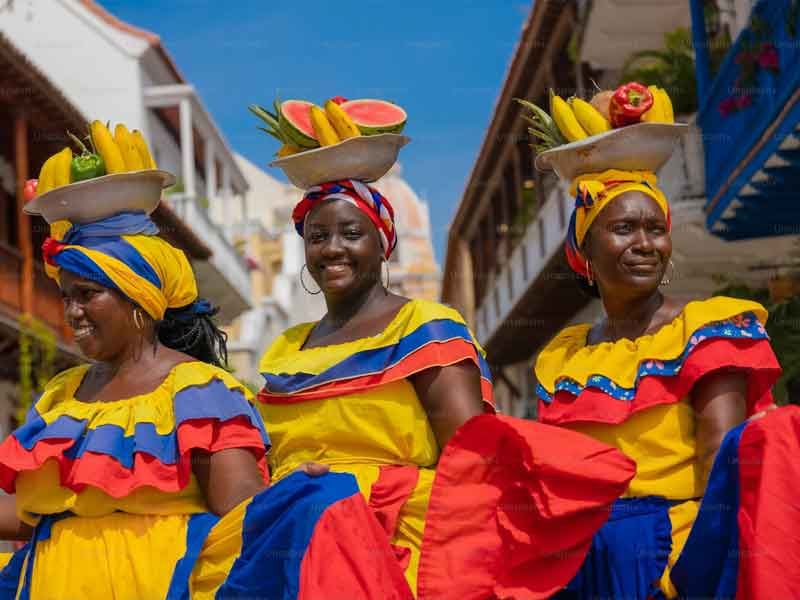
French influence is strong both culturally and administratively, giving Guadeloupe the feel of a European destination in a tropical setting. The food, language, and way of life reflect that fusion, while local Creole rhythms, festivals, and crafts add Caribbean flavor. Water sports, snorkeling, diving, and eco‑tourism draw visitors from around the world.
Guadeloupe at a glance
Basse‑Terre
400,000
Euro (EUR)
French (official), Antillean Creole
+590
Type C & E (European 2-pin)
GMT –4
Our Guadeloupe tours and holidays
Learn more about Guadeloupe
Guadeloupe has a warm tropical climate with temperatures averaging 25°C to 30°C year-round. The islands receive steady sunshine along with occasional short tropical showers.
The best time to visit is from December to April, when the weather is dry and pleasantly warm. This period offers the best conditions for beach holidays, island hopping, and exploring the rainforest trails of Basse-Terre. The rainy season from June to November brings higher humidity and occasional storms.
7–12 days
Guadeloupe provides diverse traveler services:
- Guided rainforest and volcano tours
- Snorkeling and diving excursions
- Boat and island‑hopping tours
- Cultural heritage tours
- Beach and water sport activities
- Hotels, villas, and French‑style resorts
Guadeloupe’s history combines indigenous Kalinago heritage with European colonial influence. The islands were encountered by Columbus in 1493 and colonized by the French in the 17th century, becoming an important territory for sugar and spice production. This history shaped the multilingual, multicultural identity of the islands, blending French, African, and Caribbean traditions.
Cultural expressions like gwo‑ka music, Creole cuisine, and vibrant Carnival celebrations reflect this fusion. Music, dance, and storytelling are central to Guadeloupean life, and marketplaces brim with local rhum, spices, and crafts.
Today, Guadeloupe is an overseas region of France with the benefits of French infrastructure and Caribbean charm. Tourists can enjoy European‑style amenities alongside local beaches, jungle excursions, and cultural immersion experiences.
ATMs are widely available, and credit cards are accepted, though small cash helps in markets or local vendors.
Guadeloupean cuisine mixes French technique with Caribbean zest:
- Accras (spicy fritters)
- Colombo (spiced curry stew)
- Bokit (fried sandwich)
- Fresh seafood grilled with local spices
- Creole sauces and plantain dishes
- Local rhum cocktails
Guadeloupe FAQs
Do I need a visa to travel to Guadeloupe? Guadeloupe is part of France and the EU; many nationalities can visit visa‑free for short tourist stays. Confirm with the French embassy based on your passport.
Do I need to purchase travel insurance before travelling? Yes. Travel insurance is recommended for medical coverage, cancellations, and unexpected events.
Is tipping customary in Guadeloupe? Tipping is appreciated but not mandatory; rounding up or adding 5–10% in service industries is common.
Can I drink the water in Guadeloupe? Tap water is usually safe but bottled water is preferred by many visitors.
What is the internet access like in Guadeloupe? Wi‑Fi is available in hotels and cafes; speeds vary outside main towns.
Can I use my mobile in Guadeloupe? Coverage is wide, and most international roaming works; local SIMs are available.
How do I stay safe and healthy while travelling? Guadeloupe is generally safe; follow health guidance and standard travel precautions.
Are Soca Islands trips accessible for travelers with disabilities? Accessibility is good in urban and resort areas but may vary in natural parks or beaches. Discuss needs with your provider.