
Dominican Republic Group Tours
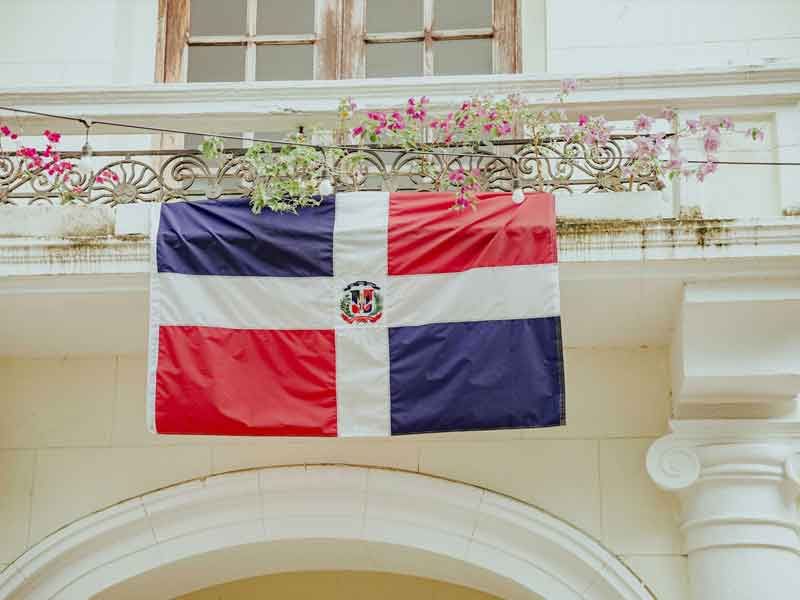
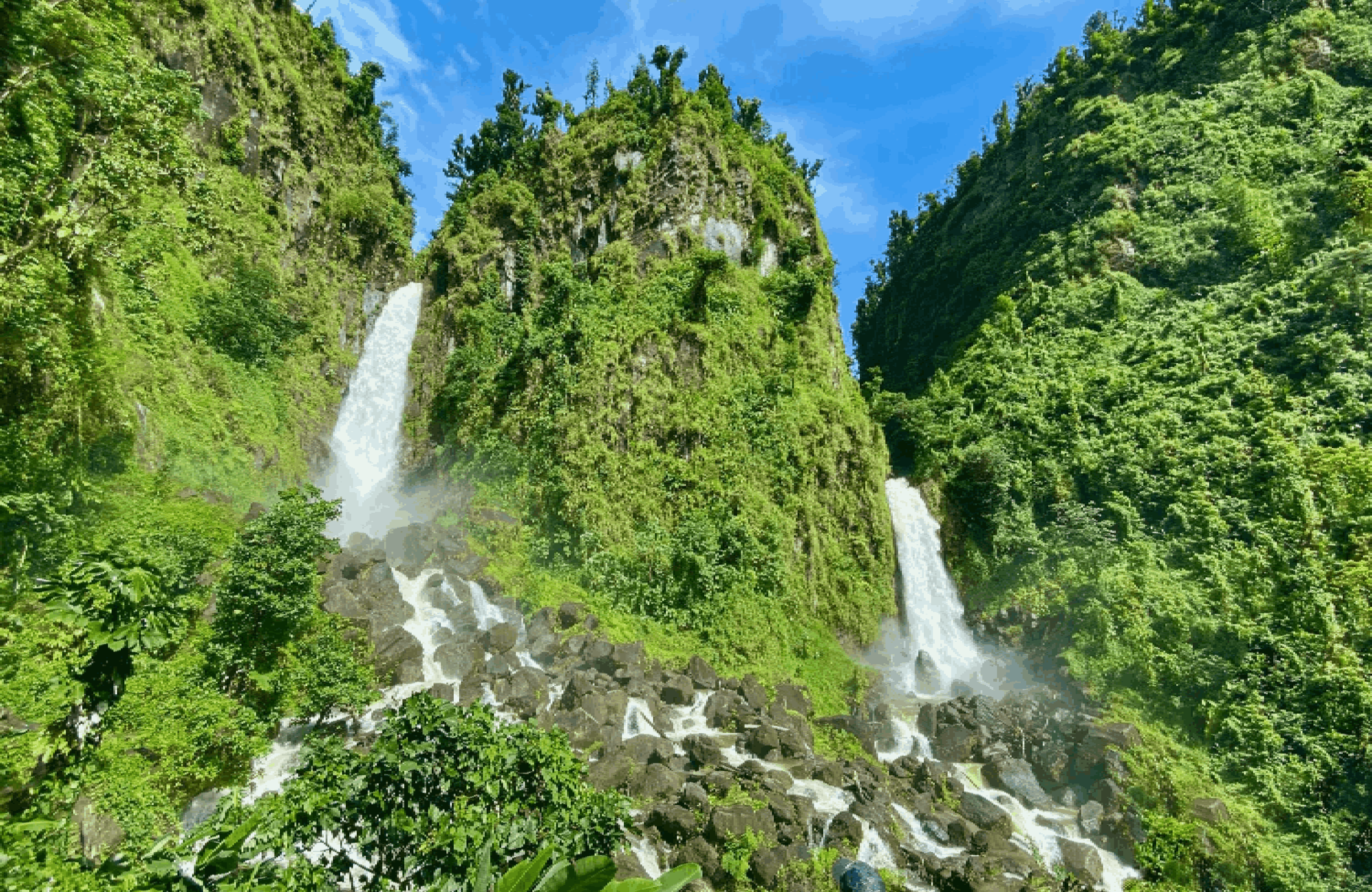
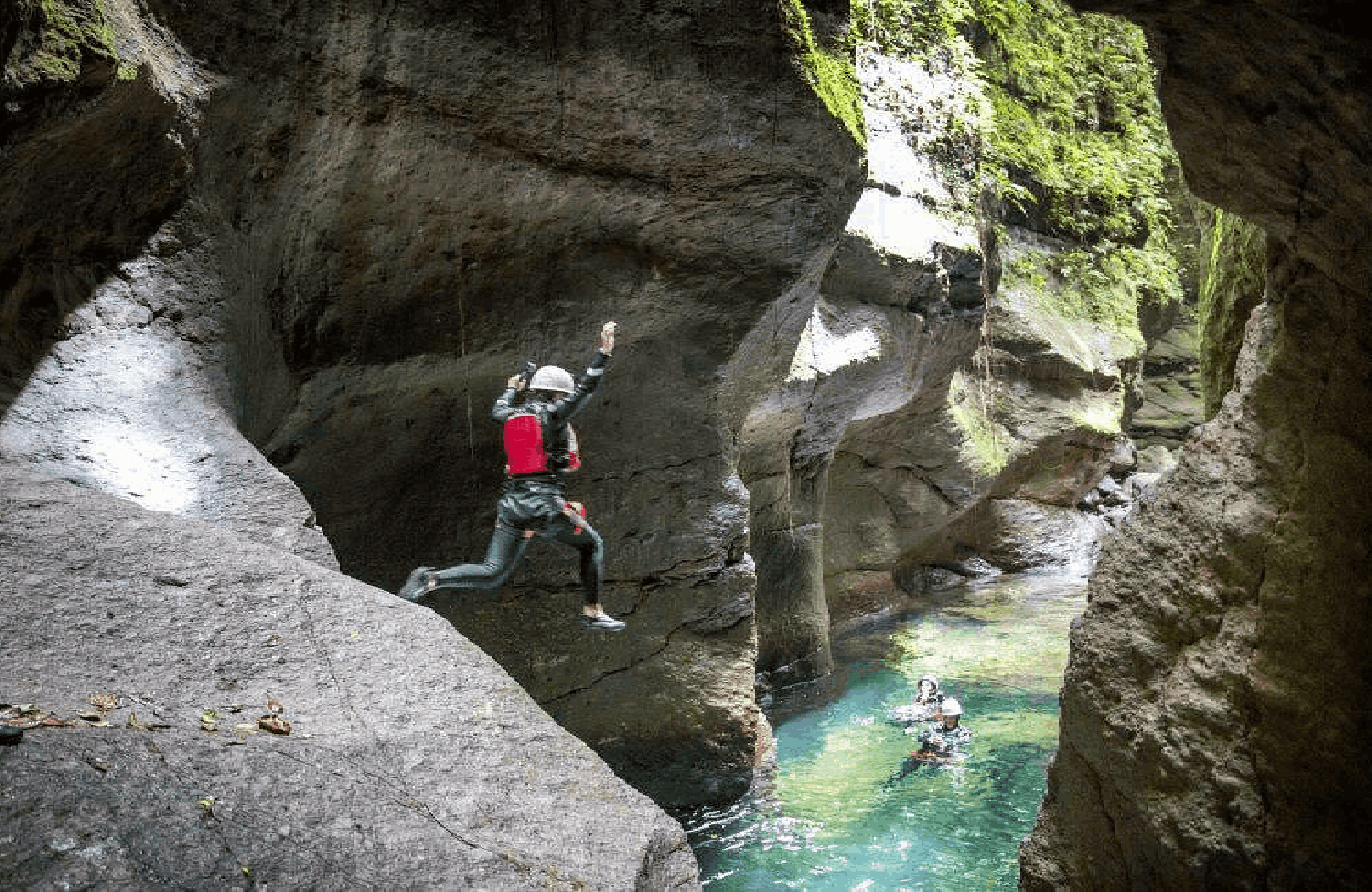
The Dominican Republic is one of the Caribbean’s most charismatic destinations, famous for its white‑sand beaches, turquoise waters, and welcoming culture. Stretching from Punta Cana’s all‑inclusive resorts to the historic streets of Santo Domingo the oldest European settlement in the Americas the country offers a mix of relaxation, adventure, and heritage. Water lovers flock to Isla Saona, Cabarete, and Samaná Bay for snorkeling, surfing, and whale watching, while lush interior regions invite hikers and eco‑tourists to explore waterfalls and coffee plantations.
The capital, Santo Domingo, blends colonial history with vibrant nightlife, museums, and cultural sites along its UNESCO‑listed Zona Colonial. From lively merengue and bachata rhythms to Dominican food, art, and festivals, the Dominican Republic is a rich mosaic of experiences that caters to solo travelers, honeymooners, families, and culture seekers alike.
Dominican Republic at a glance
Santo Domingo
11 million
Dominican Peso (DOP)
Spanish
+1 809, +1 829, +1 849
Type A & B (North American 2-pin)
GMT –4
Our Dominican Republic tours and holidays

Learn more about Dominican Republic
The Dominican Republic enjoys warm tropical weather year-round with temperatures averaging between 25°C and 32°C. Sunshine is abundant, especially along the island’s famous beach regions such as Punta Cana and Puerto Plata.
The best time to visit is December through April, when rainfall is minimal and the climate is most comfortable for sightseeing and beach activities. The summer months from June to September can be hotter and more humid, and they fall within the Caribbean hurricane season, though storms do not occur every year.
7–10 days
The Dominican Republic supports travelers of all interests with an array of services:
- Guided historical tours of Santo Domingo
- Beach tours and water sports
- Scuba diving and snorkeling trips
- Whale watching and eco‑tours
- Ziplining and adventure parks
- All‑inclusive resorts and boutique hotels
- Domestic flights, ferries, and highway transport networks
Before European contact, the island of Hispaniola was inhabited by the Taíno people, whose legacy remains in place names, crafts, and folklore. Christopher Columbus landed here in 1492, and Santo Domingo was founded in 1496, becoming a hub of Spanish colonial power in the New World. The centuries that followed brought cultural fusion Taíno, African, and Spanish influences shaping language, food, music, and tradition.
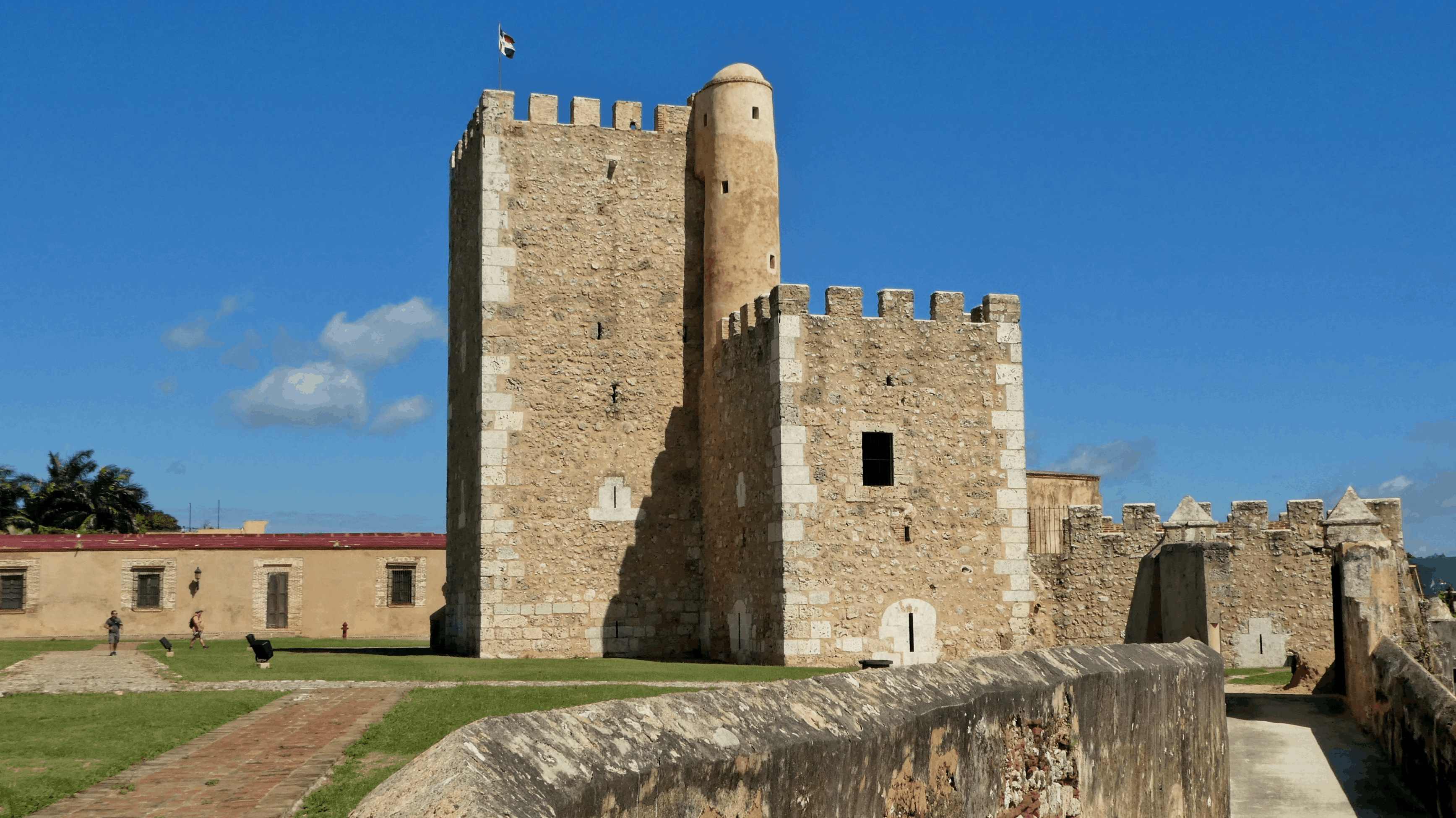
Colonial architecture, cathedrals, and forts in Santo Domingo tell stories of early conquest and settlement, while local music styles like merengue and bachata showcase Dominican creativity and expression. Festivals throughout the year celebrate patron saints, cultural heritage, and music, with carnival parades and dance performances adding color to community life.
Dominican culture is deeply rooted in family and celebration. Visitors can explore local communities, sample street food, and engage with craftspeople and musicians to experience the heart of daily life. Whether wandering historic plazas or dancing to Caribbean beats by the sea, the cultural landscape is vibrant and inviting.
ATMs and card acceptance are common in tourist areas; cash is handy for markets and small vendors. Exchange services are available at banks and airports.
Dominican cuisine highlights bold flavors and hearty staples the locals love:
- Sancocho – Traditional meat and root vegetable stew
- Mangu – Mashed plantains with pickled onions
- La Bandera Dominicana – Rice, beans, and meat combo
- Tostones – Fried green plantains
- Pescado Frito – Freshly caught fried fish
- Dulce de Coco – Coconut dessert
Dominican Republic FAQs
Do I need a visa to travel to the Dominican Republic? Visa policies depend on nationality; many visitors from the US, Canada, EU, and Caribbean do not require visas for short stays. Always check with the nearest Dominican embassy or consulate.
Do I need to purchase travel insurance before travelling? Yes. Travel insurance is strongly recommended for medical, trip cancellation, lost luggage, and unexpected emergencies.
Is tipping customary in the Dominican Republic? Tipping is appreciated; in restaurants, 10–15% is typical if service isn’t already included.
Can I drink the water in the Dominican Republic? Tap water is generally safe in many urban hotels, but bottled water is recommended especially in rural areas.
What is the internet access like in the Dominican Republic? Wi‑Fi is widely available in hotels, cafes, and towns; speeds may vary outside major centers.
Can I use my mobile in the Dominican Republic? Mobile coverage is good in cities and resort areas. Local SIM cards are affordable and recommended for data.
How do I stay safe and healthy while travelling? The Dominican Republic is generally safe for travelers; remain aware of surroundings in crowded places and follow health advisories.
Are Soca Islands trips accessible for travelers with disabilities? Accessibility varies; modern hotels and major excursions often have facilities, but some natural sites may have limited access. Discuss needs in advance.