Barbados Group Tours
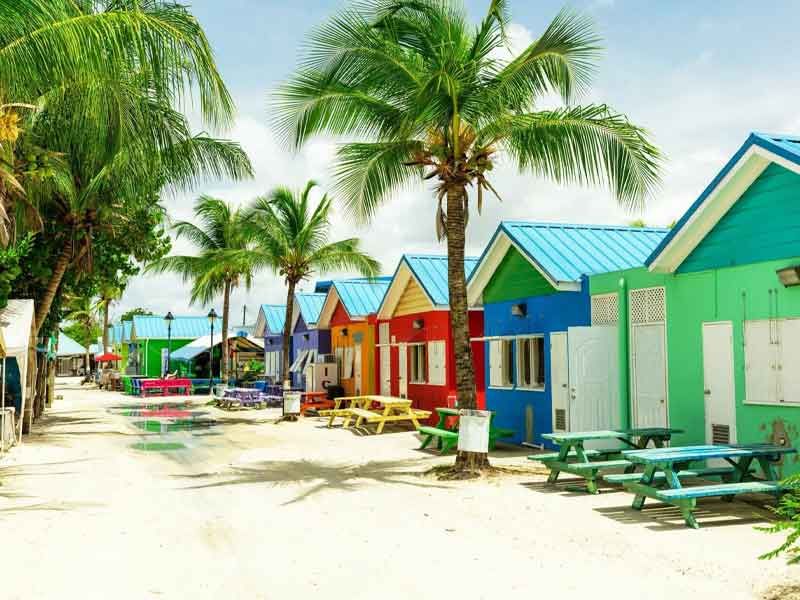
Barbados is where Caribbean charm meets elegance. Explore historic Bridgetown, unwind on Crane Beach, and sip rum at a local distillery. The island pulses with music—from calypso to reggae to soca—and its people radiate warmth and hospitality. From luxury resorts to lively fish fries in Oistins, Barbados knows how to treat you right. It’s not just a beach getaway, it’s a full-on vibe.
Barbados at a glance
Bridgetown
283k
Barbados Dollar (BBD)
English
+1-246
Type A & B plugs
Atlantic Standard Time (AST, UTC-4)
Our Barbados tours and holidays
Learn more about Barbados
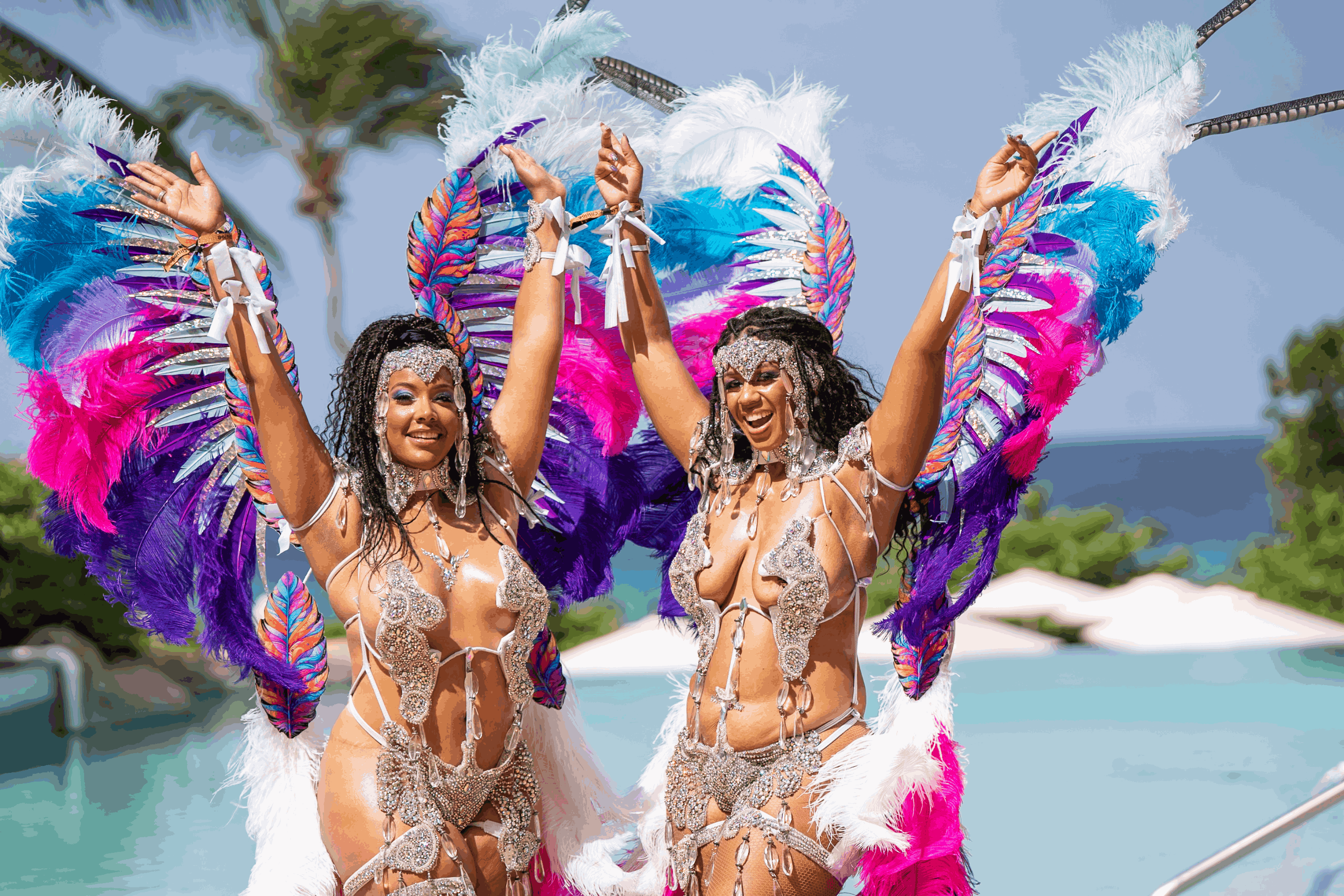
The best time to visit Barbados is from December to April, during the dry season, when the island enjoys warm, sunny weather with lower humidity and little rainfall, making it ideal for enjoying the pristine beaches, water sports, and outdoor excursions. This period also coincides with the high season for tourism, so you'll find a vibrant atmosphere, plenty of events, and festivals like Crop Over (Barbados' biggest celebration). However, this is also when prices for accommodations and flights tend to be higher. If you prefer a quieter experience with fewer crowds and more affordable rates, consider visiting in the shoulder months of November or May. While there's a slightly higher chance of rain, the weather is still pleasant and you can often find great deals. The hurricane season runs from June to November, but Barbados is relatively well-protected from hurricanes compared to other Caribbean islands. Overall, the dry season offers the best balance of ideal weather, events, and activities, making it the prime time to visit.
5 to 7 days allows for a mix of relaxation and exploration of the island's diverse attractions.
Barbados provides car rentals, taxis, guided tours, and public transportation. Accommodation options include guesthouses, boutique hotels, all-inclusive resorts, and vacation rentals. Visitors can access ATMs, currency exchange, SIM card providers, wellness centers, dive shops, and medical facilities.
Barbados has a rich and diverse history, shaped by a mix of Indigenous, African, European, and Caribbean influences. The island was first inhabited by the Arawak and Carib peoples before being claimed by the Spanish in the early 16th century. However, it was the British who colonized Barbados in 1627, and it became one of their most important sugar-producing colonies, relying heavily on enslaved African labor. Barbados was a major center for the Atlantic slave trade, and the legacy of this history is deeply embedded in the island's culture. After gaining independence from Britain in 1966, Barbados developed its own unique identity, blending African traditions with British colonial legacies. The island's culture is rich in music, with calypso, soca, and reggae taking center stage, as well as the iconic Bajan folk songs and the world-famous Crop Over Festival celebrating the end of the sugar cane harvest. The culture also reflects a strong sense of community, pride, and resilience, with a blend of rituals, festivals, and art that showcase its heritage. The island’s official language is English, but many locals speak in a distinct dialect known as Bajan. With a rich tapestry of influences, Barbados continues to celebrate its unique culture while embracing modernity.
In Barbados, the official currency is the Barbadian Dollar (BBD), but US Dollars are also widely accepted, especially in tourist areas, hotels, and shops. The exchange rate is fixed at 2 BBD = 1 USD, so it's easy to use both currencies. Credit and debit cards (Visa, MasterCard, and American Express) are widely accepted in most establishments, including restaurants, hotels, and larger shops.
ATMs are readily available in major cities like Bridgetown, and they dispense both Barbadian Dollars and US Dollars. However, it’s a good idea to carry some cash for small purchases or in more rural areas where cards may not be accepted.
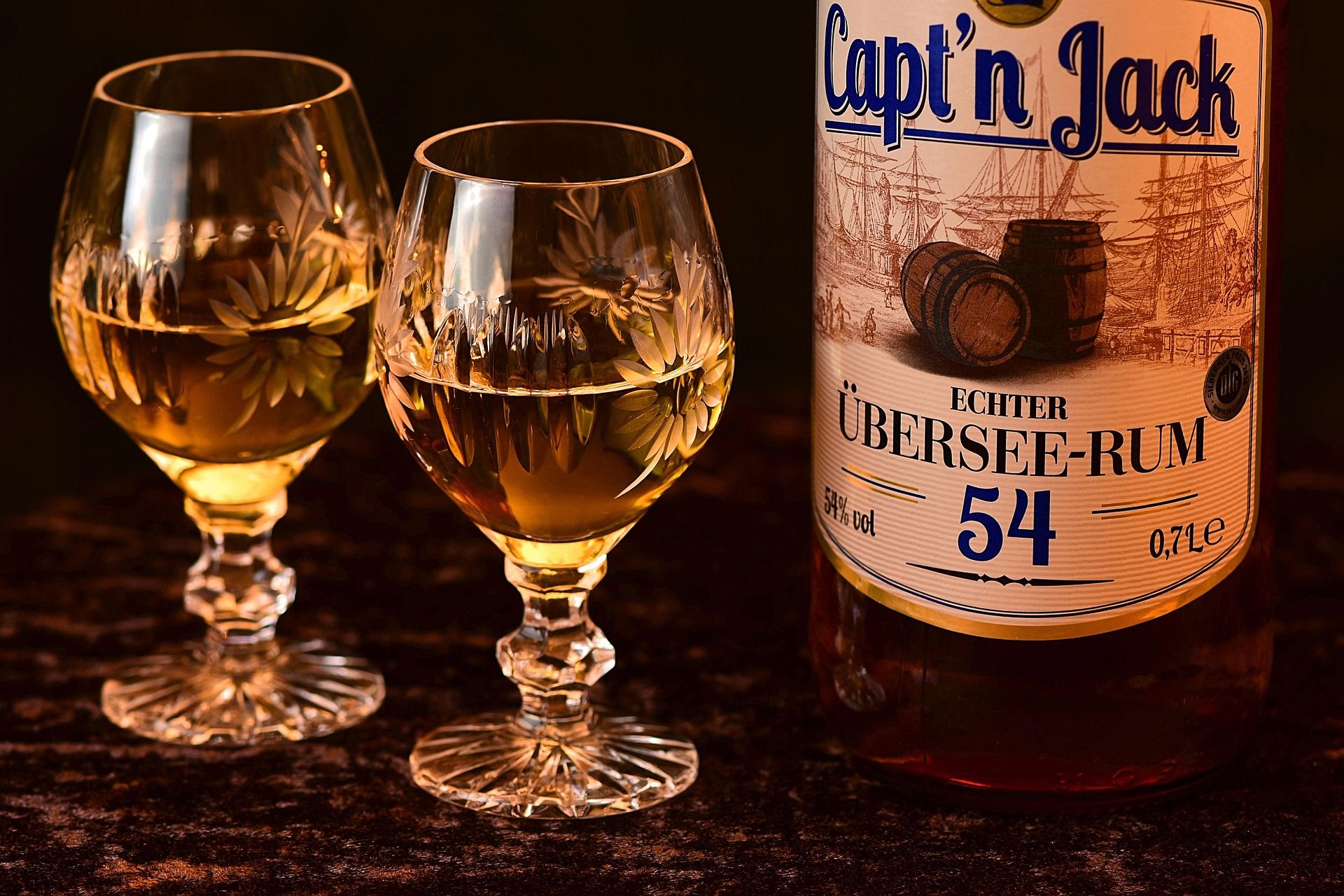
Barbadian cuisine is a flavorful blend of Caribbean influences with African, British, and Indian touches. A must-try is flying fish and cou-cou, the national dish, featuring tender flying fish served with a cornmeal-based dish similar to polenta. Another popular dish is pepperpot, a spicy stew made with beef, pork, or chicken, infused with cinnamon and allspice. Pudding and souse is a traditional meal of pickled pork served with sweet potato pudding and seasoned with lime and cucumber. Saltfish and breadfruit, Bajan macaroni pie, and roti are also local favorites, showcasing the island's love for savory, hearty meals. For dessert, try the Bajan rum cake, a moist treat made with rum and fruit. No visit to Barbados is complete without sampling its famous Mount Gay rum, often enjoyed with meals or in refreshing cocktails. These dishes reflect the island’s rich culture, agricultural history, and love for bold flavors.
Barbados FAQs
Do I need a visa to travel to Barbados
Whether you need a visa to travel to Barbados depends on your nationality. Citizens from many countries, including the United States, Canada, the United Kingdom, and most European Union nations, do not require a visa for short stays, typically up to 90 days. However, travelers must have a valid passport (with at least six months of validity beyond the date of entry), proof of onward or return travel, and sufficient funds for their stay. For longer stays or specific purposes like work or study, a visa is usually required. It's advisable to check with the nearest Barbados embassy or consulate for the most current entry requirements based on your nationality and travel plans.
Do I need to purchase travel insurance before traveling?
Absolutely. All passengers traveling with Soca Islands are required to purchase travel insurance before the start of their trip. Your travel insurance details will be recorded by your leader on the first day of the trip. Due to the varying nature, availability and cost of health care around the world, travel insurance is very much an essential and necessary part of every journey.
Is tipping customary in Antigua & Barbuda?
Yes, tipping is customary in Barbados, though it is not mandatory. In most restaurants, a 10-15% tip is standard if a service charge hasn’t already been added to the bill. For smaller services, such as taxi rides, a tip of 10% is appreciated. Hotel staff, including bellhops and housekeepers, typically receive $1-2 USD per service. In more casual settings, rounding up the bill or leaving small change is also common. While tipping is a way to show appreciation for good service, it's always optional based on the quality of service you receive.
Can I drink the water in Antigua & Barbuda?
Yes, tap water in Barbados is generally safe to drink, especially in urban areas like St. John’s. However, in rural areas or after heavy rainfall, it’s best to boil water or drink bottled water to be cautious. Many locals and visitors opt for filtered or bottled water just to be safe.
What is internet access like in Antigua & Barbuda?
Internet Access in Barbados is widely available, and the island has a well-developed infrastructure for both Wi-Fi and mobile data. Most hotels, resorts, cafes, and restaurants offer free Wi-Fi, especially in tourist areas like Bridgetown and the South Coast. There are also public Wi-Fi hotspots in some locations. For reliable internet access, visitors can also use mobile data through local SIM cards or mobile hotspots.
Can I use my mobile in Antigua & Barbuda?
You can use your mobile phone in Barbados, but ensure your phone is unlocked if you plan to switch to a local SIM card for better rates. The main mobile providers in Barbados are Flow and Digicel, offering prepaid SIM cards and mobile data packages. If you're traveling with a phone that supports international roaming, you can use your home carrier's network, though it may be more expensive.
How do I stay safe and healthy while traveling?
Soca Islands takes the health and safety of its travelers seriously and takes every measure to ensure that trips are safe, fun, and enjoyable for everyone. We recommend that all travellers check with their government or national travel advisory organisation for the latest information before departure.
Are Soca Islands trips accessible for travelers with disabilities?
We believe travel should be accessible to everyone. Although some destinations and itineraries may be more accessible than others, we’ll do our best to accommodate your needs, make reasonable adjustments where possible, and guide you toward the most suitable trips.