Antigua & Barbuda Group Tours
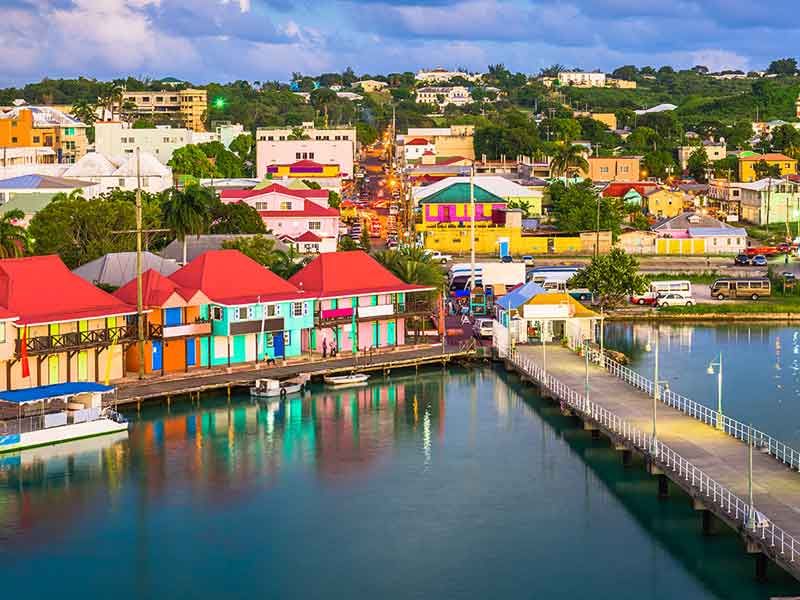
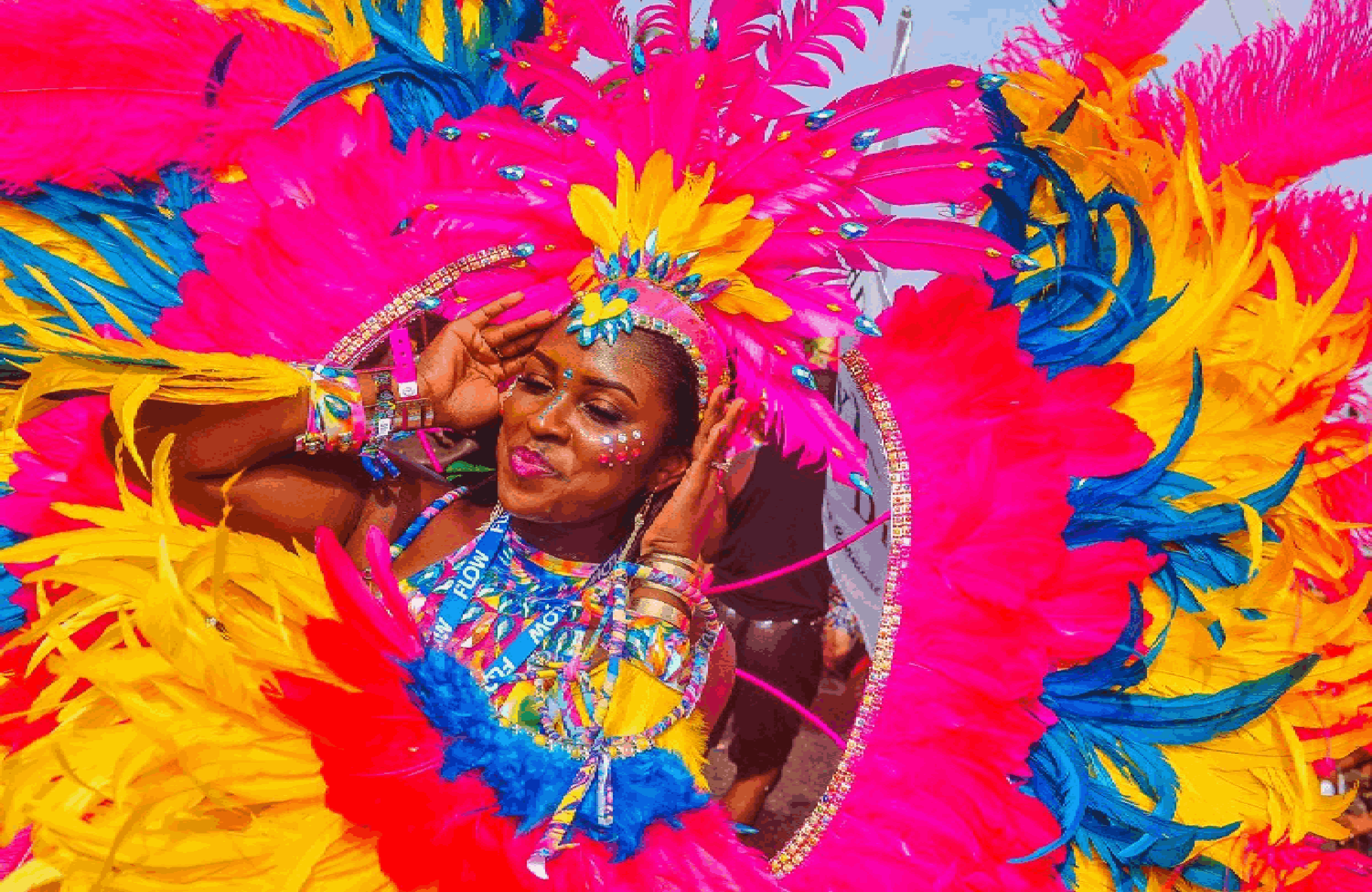
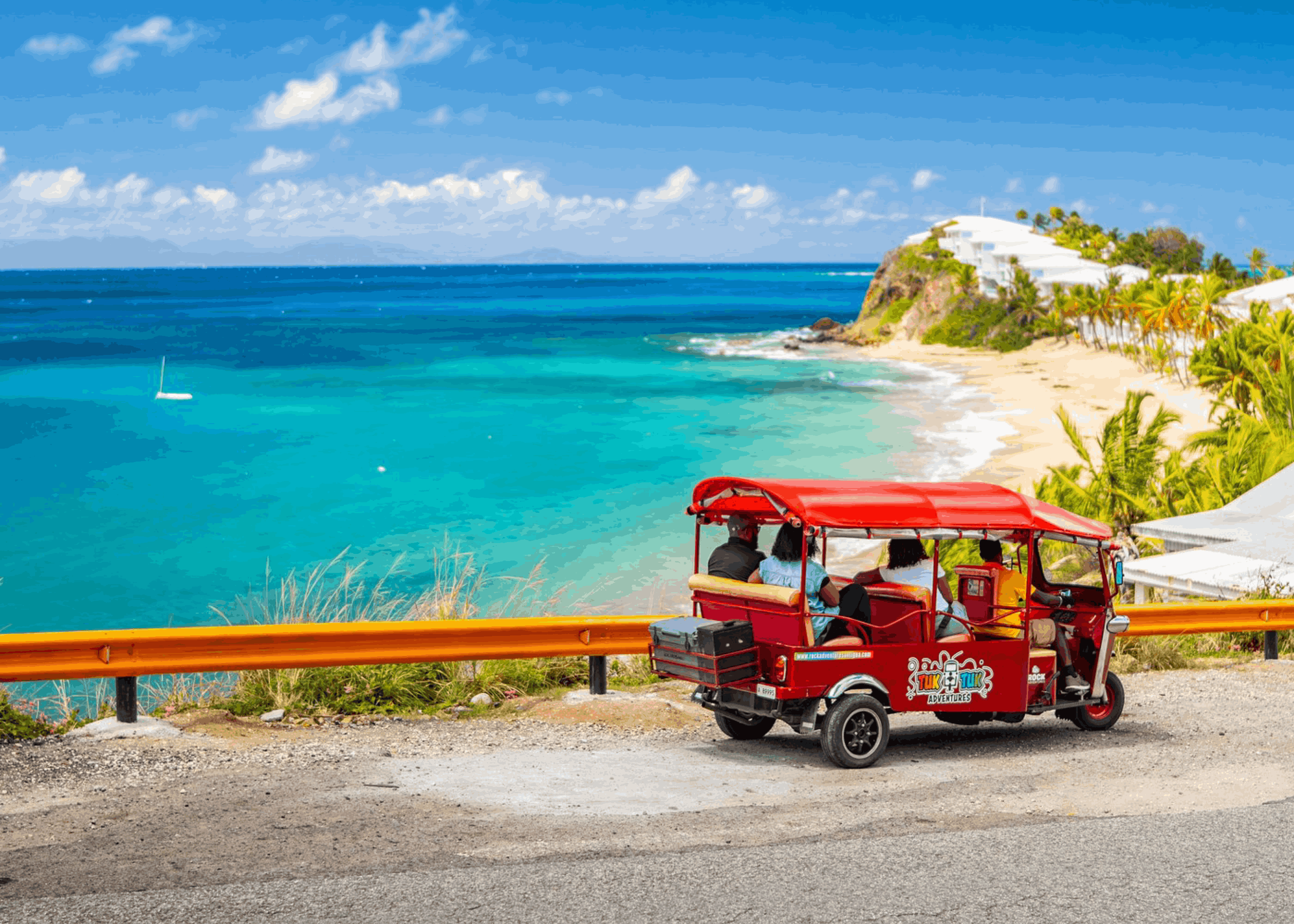
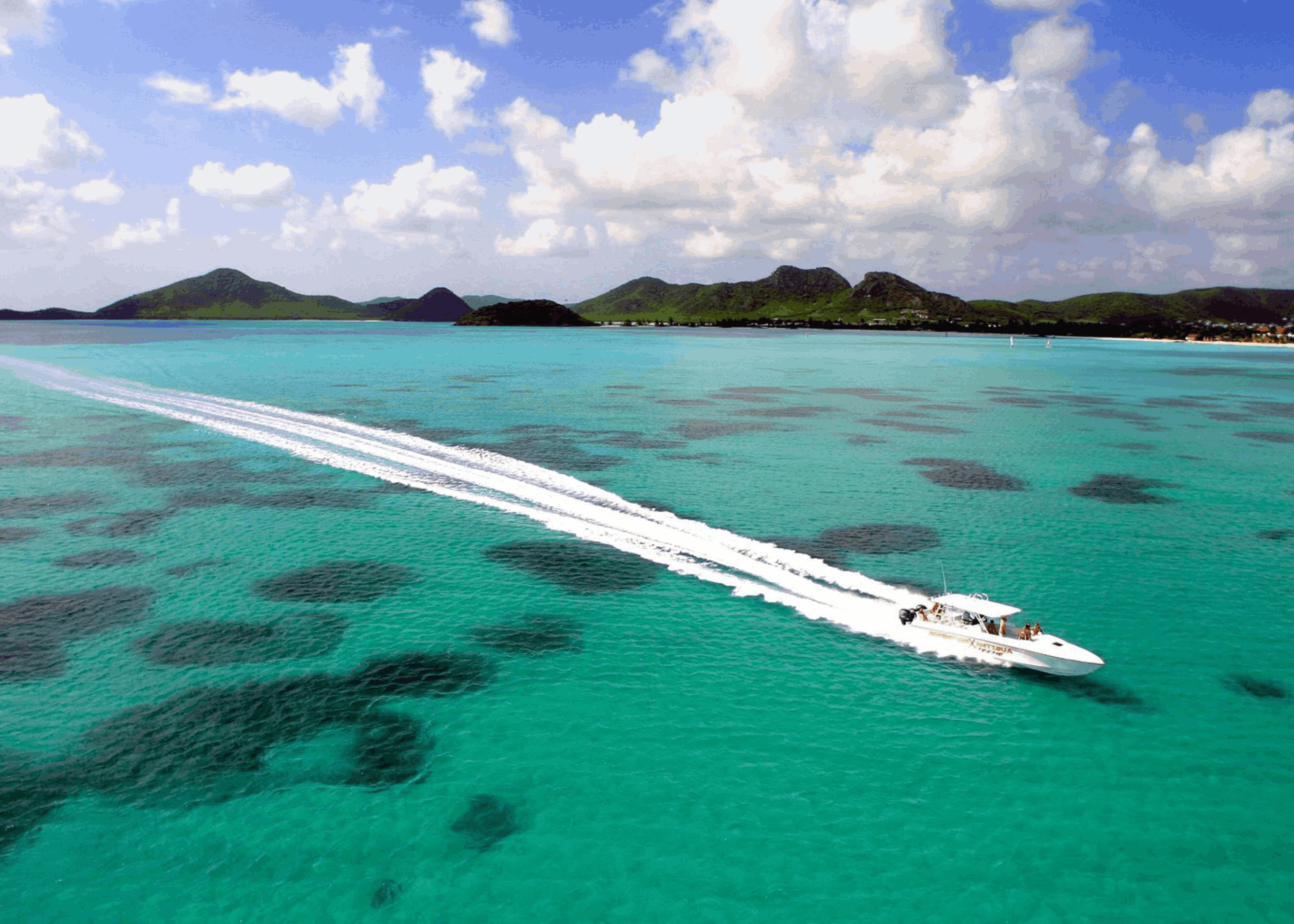
Antigua and Barbuda, a vibrant twin-island nation in the Caribbean, offers the perfect mix of adventure and relaxation. Antigua boasts 365 beaches—one for every day of the year—along with historic sites like Nelson’s Dockyard and snorkeling spots like Cades Reef. Barbuda, its quieter sister, is known for its untouched pink sand beaches and the famous frigate bird sanctuary. From laid-back island vibes to high-energy Carnival celebrations, the culture here is rich, colorful, and full of that unmistakable Caribbean spirit—exactly what we live for at Soca Islands.
Antigua & Barbuda at a glance
St. John's
94k
Eastern Caribbean Dollar (XCD)
English
+1-268
Type A & B plugs
Atlantic Standard Time (AST, UTC-4)
Our Antigua & Barbuda tours and holidays
Learn more about Antigua & Barbuda
The best time to visit Antigua and Barbuda is from mid-December to April, during the dry season. This period offers pleasant weather with warm temperatures, low humidity, and little rainfall, making it ideal for beach activities, sightseeing, and outdoor adventures. This is also peak tourist season, so you’ll find lively events and festivals. For fewer crowds and better deals, the shoulder months of November and early December can be a great option, though there may be occasional showers. The hurricane season runs from June to November, so it's best to avoid this time for optimal weather.
4 to 6 days provides sufficient time to visit key attractions, enjoy the beaches, and experience local culture.
Visitors will find car rentals, taxis, guided tours, and ferry services. Accommodation ranges from guesthouses and boutique hotels to luxury resorts. Amenities include ATMs, currency exchange, SIM card providers, wellness centers, dive shops, and medical facilities.
Antigua and Barbuda's history and culture are shaped by a rich mix of Indigenous, African, European, and Caribbean influences. The islands were originally inhabited by the Arawak and Carib peoples before being colonized by the Spanish in the early 16th century, and later by the British in 1632. The British brought enslaved Africans to work on the sugar plantations, which played a major role in the islands' economy. After centuries of colonial rule, Antigua and Barbuda gained independence from Britain in 1981. Today, the islands’ culture reflects their African heritage through music (especially calypso, steelpan, and reggae), dance, and festivals like Carnival. The culture also embraces influences from the island's British colonial past, visible in its language, traditions, and institutions. Antigua and Barbuda celebrates its diverse and vibrant culture with pride, blending local customs, Caribbean rhythms, and global influences, making it a dynamic destination for both locals and visitors.
In Antigua and Barbuda, the official currency is the East Caribbean Dollar (XCD), which is shared by several countries in the Eastern Caribbean. However, US dollars are widely accepted, especially in tourist areas, and many businesses list prices in both currencies. Credit and debit cards (Visa, MasterCard) are commonly accepted at hotels, restaurants, and larger shops, though it’s always a good idea to carry some cash for smaller vendors or when traveling to more remote areas. ATMs are readily available in St. John's and major tourist areas, but you may want to notify your bank of your travel plans to avoid any issues with card usage.
In Antigua and Barbuda, the cuisine reflects a rich blend of Caribbean flavors with African, European, and indigenous influences, offering a unique and vibrant food culture. Fungi and pepperpot is a must-try, a hearty dish made with a cornmeal-based side (fungi) paired with a spicy, savory stew of beef, pork, or fish. Another staple is saltfish and fungie, combining salted cod with fungi, often served alongside fried plantains or vegetables. For a truly local experience, goat water, a rich, flavorful goat stew, is a popular comfort food, and jerk chicken, marinated with a mix of aromatic spices and grilled to perfection, is a Caribbean favorite. Roti, a soft flatbread stuffed with curried meat (often chicken, goat, or vegetables), is widely available as a street food and quick meal. Don’t miss the Antiguan black pineapple, known for its sweet, tangy flavor, often enjoyed fresh or as a dessert. Lastly, conch, a tropical mollusk, is served in various dishes such as soups, salads, and fritters, showcasing the island's fresh seafood. These dishes, with their bold and vibrant flavors, make Antigua and Barbuda a true culinary destination.
Antigua & Barbuda FAQs
Do I Need a Visa to Travel to Antigua and Barbuda?
Visitors from many countries do not require a visa for short tourist visits to Antigua and Barbuda. Visa-free visitors are typically granted a stay of up to 90 days on arrival, although the exact duration may vary. Entry requirements can change, so we recommend checking with your local Antigua and Barbuda embassy or consulate before travelling.
Is Tipping Customary in Antigua and Barbuda?
Tipping is common in Antigua and Barbuda and is appreciated for good service. Many hotels and restaurants automatically add a 10% to 15% service charge to the bill. If a service charge is not included, it is customary to tip around 10% to 15% at restaurants. Small tips are also appreciated by hotel staff, drivers, and tour guides.
What Is the Internet Access Like in Antigua and Barbuda?
Wi-Fi is widely available in hotels, resorts, cafés, and restaurants, particularly in tourist areas such as St. John’s, Dickenson Bay, and Jolly Harbour. Internet speeds are generally reliable, though they may occasionally be slower in more remote areas of the island.
Can I Use My Mobile Phone in Antigua and Barbuda?
Antigua and Barbuda has a reliable mobile network with good coverage across most of the islands. International roaming is available with most mobile providers, but charges can be high. Many travellers choose to purchase a local SIM card upon arrival for more affordable data and calls.
What Are the Toilets Like in Antigua and Barbuda?
Most hotels, restaurants, resorts, and tourist facilities have modern flush toilets. In more remote areas or at beaches and smaller establishments, facilities may be basic, so it can be helpful to carry hand sanitizer and tissues.
Can I Drink the Water in Antigua and Barbuda?
Tap water in Antigua and Barbuda is generally treated and considered safe in many areas, but some travellers prefer to drink bottled or filtered water. Bringing a reusable water bottle and refilling it with purified water is a good option during your stay.
Are Credit Cards Widely Accepted?
Credit cards are widely accepted at hotels, resorts, restaurants, and many tourist businesses. However, smaller shops, local vendors, taxis, and beach bars may prefer cash, so it is a good idea to carry some Eastern Caribbean dollars.
What Is ATM Access Like in Antigua and Barbuda?
ATMs that accept international cards are available in St. John’s and other main towns across the island. If you plan to spend time at smaller beaches or in less developed areas, it is wise to withdraw enough cash beforehand.
Do I Need Travel Insurance?
Soca Islands strongly recommends that all travellers purchase travel insurance before departure. Your policy should ideally cover medical expenses, emergency evacuation and repatriation, trip cancellation or interruption, and lost or delayed baggage. Healthcare costs and travel disruptions can be expensive, so having travel insurance helps provide peace of mind while travelling.
Staying Safe and Healthy While Travelling
At Soca Islands, the safety and wellbeing of our travellers is a top priority. Our trips are designed to be safe, fun, and inclusive, with experienced local guides and support throughout your journey. Before travelling, we recommend checking travel advisories from your government, reviewing health guidance from the World Health Organization, and ensuring routine vaccinations are up to date. Travelling informed helps you enjoy the best possible experience in Antigua and Barbuda.