
India Group Tours
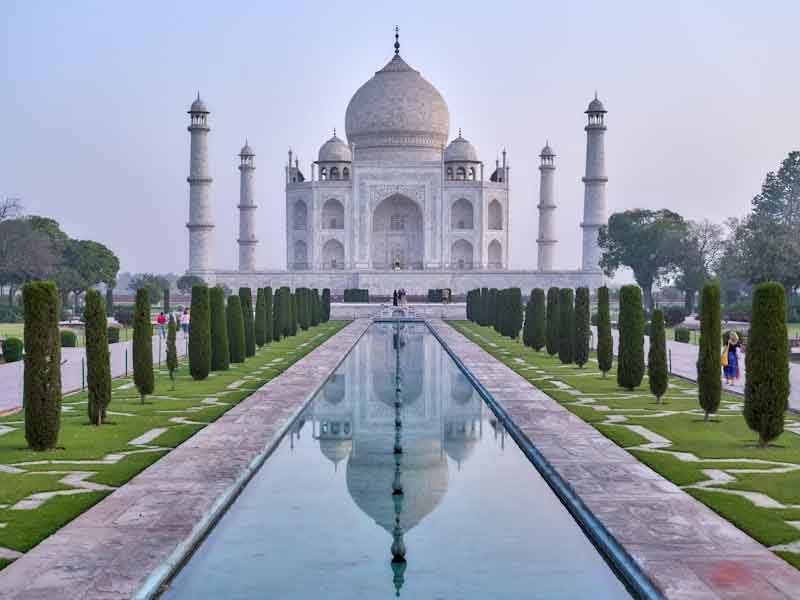
India is a vast and diverse subcontinent of ancient civilizations, sacred rivers, towering palaces, and vibrant cities. Visitors can explore the iconic Taj Mahal, wander through Rajasthan’s forts and desert towns, cruise Kerala’s backwaters, or trek Himalayas in Uttarakhand and Himachal Pradesh. Urban centers like Delhi, Mumbai, and Bengaluru combine history, modern commerce, and cuisine.
India’s landscapes range from golden beaches in Goa to dense forests in Karnataka, from snow‑covered peaks to fertile plains along the Ganges. Its cultural fabric is woven with multiple religions, festivals, and languages, offering travelers experiences that are both deep and varied.
India at a glance
New Delhi
1.4 billion
Indian Rupee (INR)
Hindi & English (official), many regional languages
+91
Type C, D & M (Indian 3-pin)
GMT +5:30
Our India tours and holidays
Learn more about India
India’s climate varies greatly depending on the region, from tropical beaches in the south to cooler mountain climates in the Himalayas. In most areas, temperatures rise significantly between April and June, while the monsoon season runs from June to September.
The best time to visit much of India is between October and March, when temperatures are cooler and more comfortable for sightseeing, cultural tours, and outdoor exploration. This period also includes many festivals such as Diwali, offering visitors a chance to experience India’s vibrant traditions.
10–21 days
India supports a wide range of traveler needs:
- Extensive train and bus network
- Domestic flights
- Guided heritage and city tours
- Safari experiences in tiger reserves
- Yoga, wellness, and spiritual retreats
- Hotels and heritage homestays
India’s history spans over 4,500 years, from Indus Valley civilizations to empires like Maurya, Gupta, Mughal, and British colonial rule. Hinduism, Buddhism, Jainism, Sikhism, and later Islamic influences have shaped temples, monuments, philosophy, art, and society. The Mughal era gifted iconic structures such as the Taj Mahal and Agra Fort, while centuries of trade and scholarship enriched literature and culture.
India’s post‑independence journey continues to emphasize unity in diversity. Festivals like Diwali, Holi, Eid, and Navratri unify communities across religions and regions. Classical music, dance forms like Bharatanatyam and Kathak, and regional crafts showcase centuries of artistic refinement.
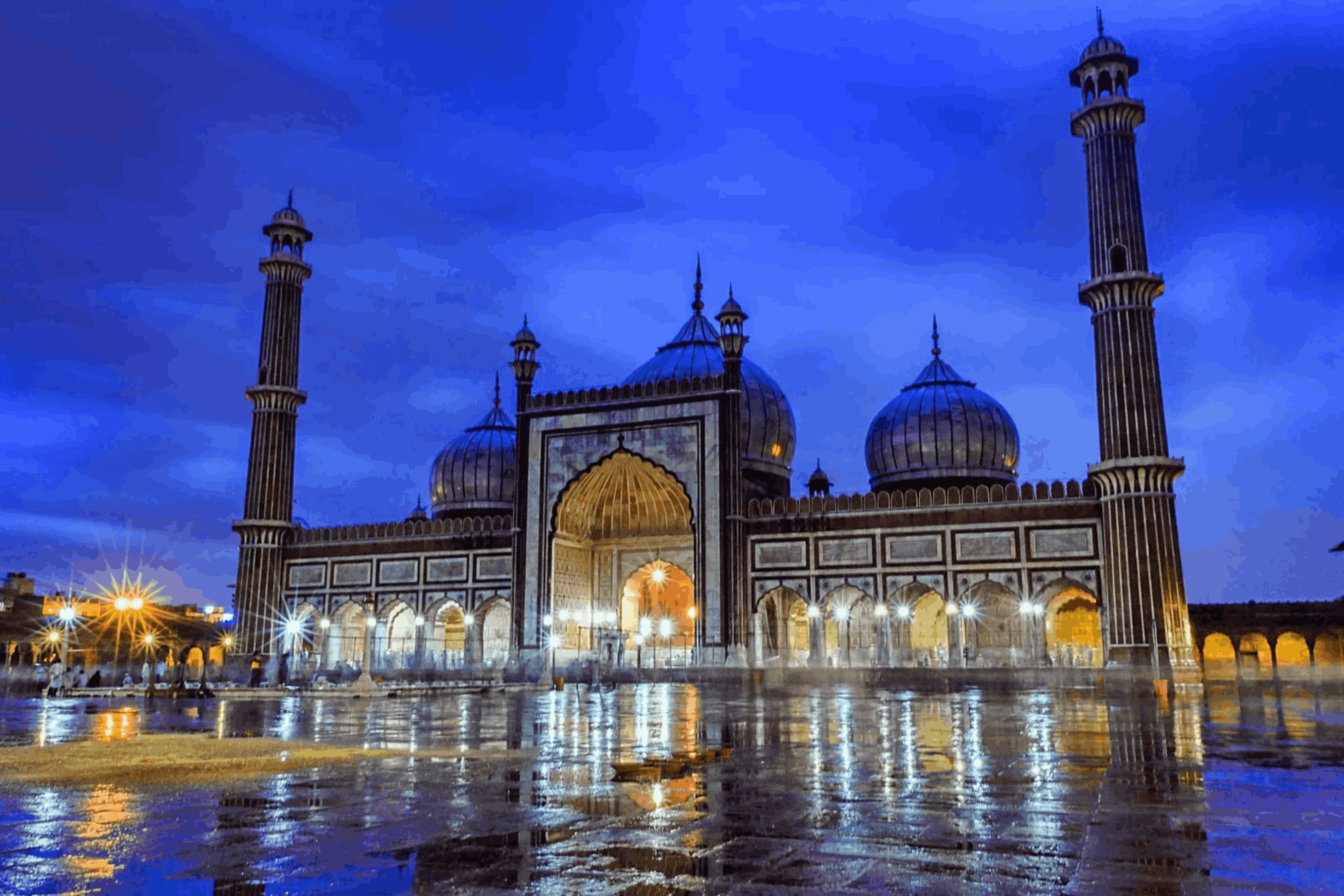
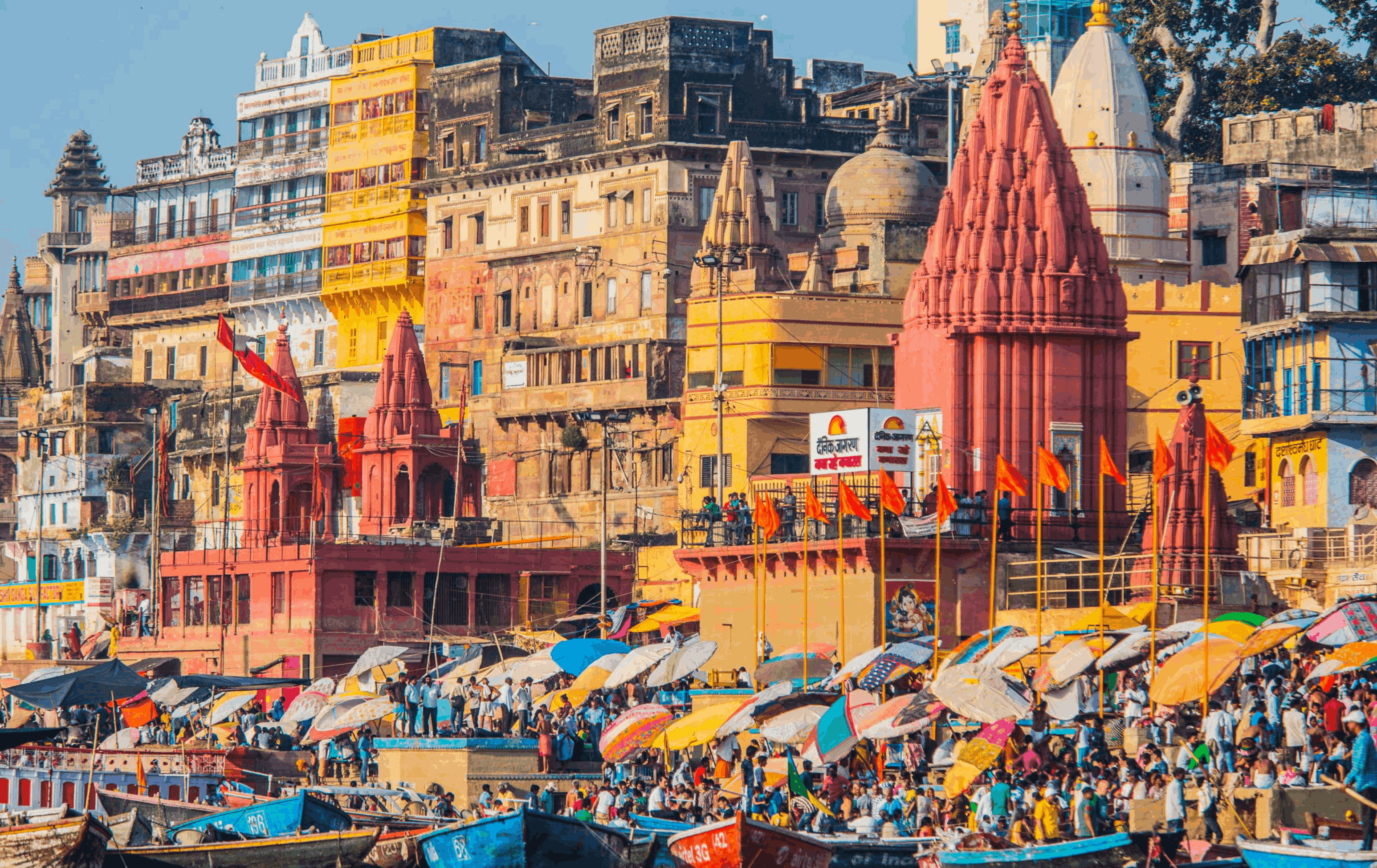
Indian food, clothing, languages, and traditions vary significantly by state, offering immersive cultural experiences across regions. Pilgrimage routes and spiritual centers, along with bustling market streets and modern urban spaces, immerse visitors in India’s complex cultural tapestry.
ATMs are widespread; cards are accepted in cities, though cash is preferred for markets and rural areas.
India’s cuisine is rich, regional, and diverse:
- Biryani – Spiced rice with meat or vegetables
- Masala Dosa – Crispy rice‑lentil crepe
- Butter Chicken – Creamy tomato chicken curry
- Chole Bhature – Spicy chickpeas with fried bread
- Rogan Josh – Aromatic lamb curry
- Samosa – Fried pastry snack
- Gulab Jamun – Sweet syrup‑soaked dessert
India FAQs
Do I need a visa to travel to India? Yes. Most travelers require a visa before departure. India offers e‑Visas for tourism for many nationalities check eligibility online before traveling.
Do I need to purchase travel insurance before travelling? Yes. Insurance is highly recommended for medical emergencies, trip interruptions, and unexpected events.
Is tipping customary in India? Yes. Tipping is customary in restaurants, hotels, and for guides — usually a small percentage or rounding up.
Can I drink the water in India? Tap water is not recommended in most areas. Bottled or filtered water is advised.
What is the internet access like in India? Wi‑Fi and mobile data are widely available in cities; speed may vary in rural areas.
Can I use my mobile in India? Yes. Coverage is extensive; local SIM cards offer affordable data.
How do I stay safe and healthy while travelling? Avoid unbottled water, use mosquito protection, follow local advisories, and maintain hygiene.
Are Soca Islands trips accessible for travelers with disabilities? Accessibility varies; major cities and modern hotels have facilities, but rural and historic sites may be limited.