
Bali Group Tours
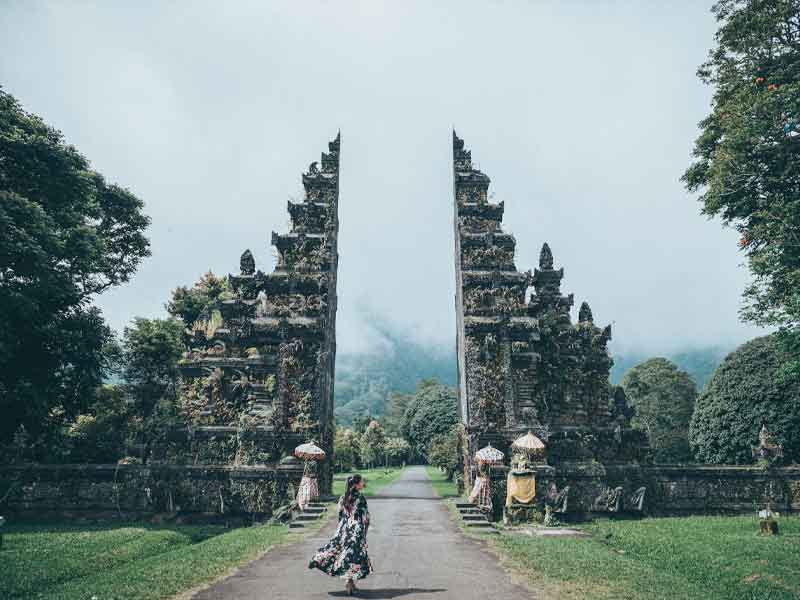
Bali one of Indonesia’s most beloved islands is famed for its lush rice terraces, volcanic mountains, sacred temples, and turquoise coastal waters. Travelers can explore vibrant beach towns like Kuta and Seminyak, find spiritual peace in Ubud’s yoga and wellness retreats, or visit ancient Hindu temples such as Tanah Lot and Uluwatu. Bali’s blend of natural beauty, cultural heritage, and island lifestyle attracts honeymooners, adventure travelers, surfers, and explorers alike.
Beyond beaches and temples, Bali’s interior offers dramatic waterfalls, terraced landscapes in Tegalalang, and Mount Batur sunrise treks. The island’s hospitality, wellness experiences, artisan markets, and traditional ceremonies provide layers of cultural richness beyond its scenic views.
Bali at a glance
Denpasar
4.3 million
Indonesian Rupiah (IDR)
Indonesian Rupiah (IDR)
+62
Type C & F (European 2-pin)
GMT +8
Our Bali tours and holidays
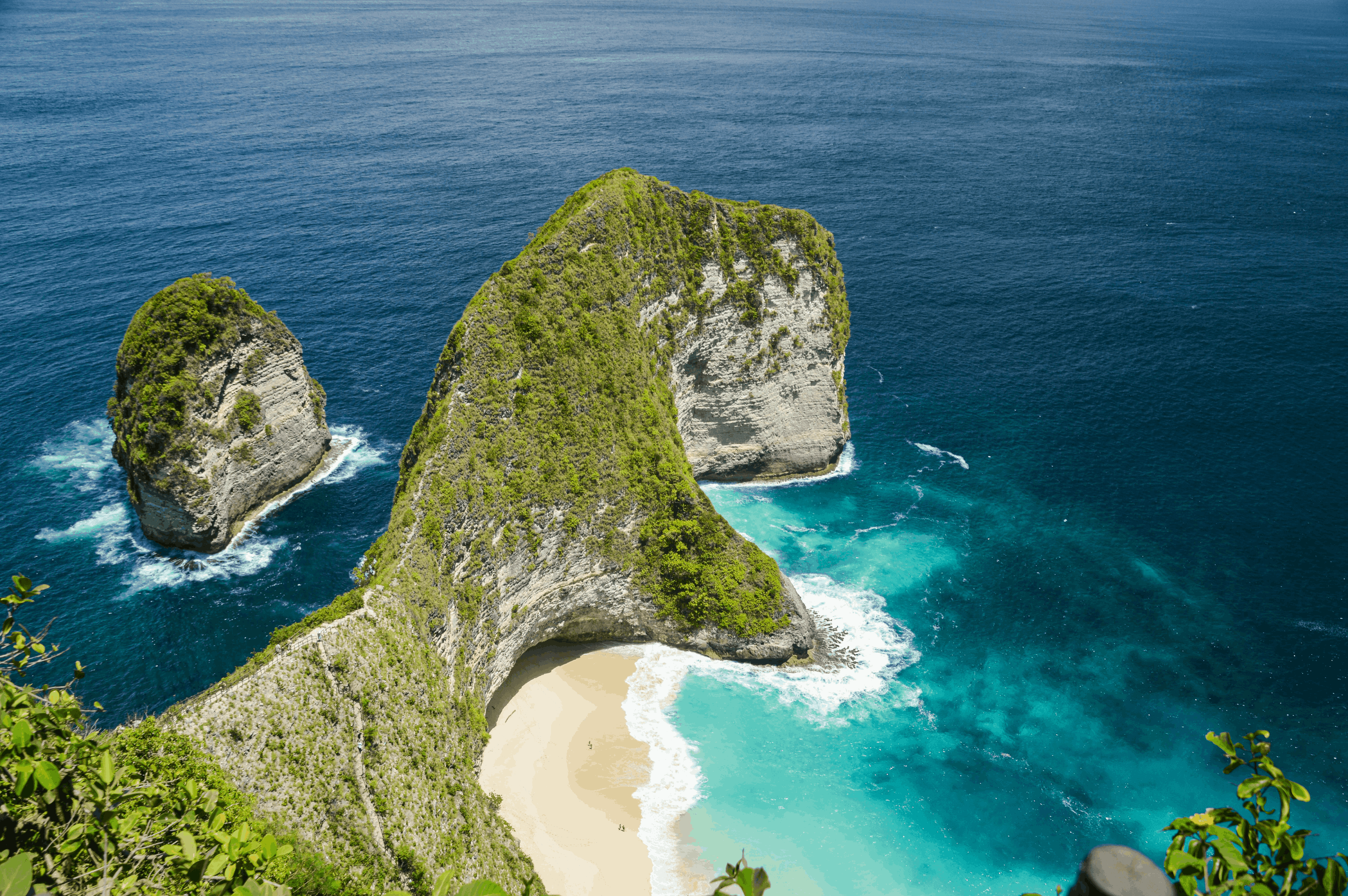
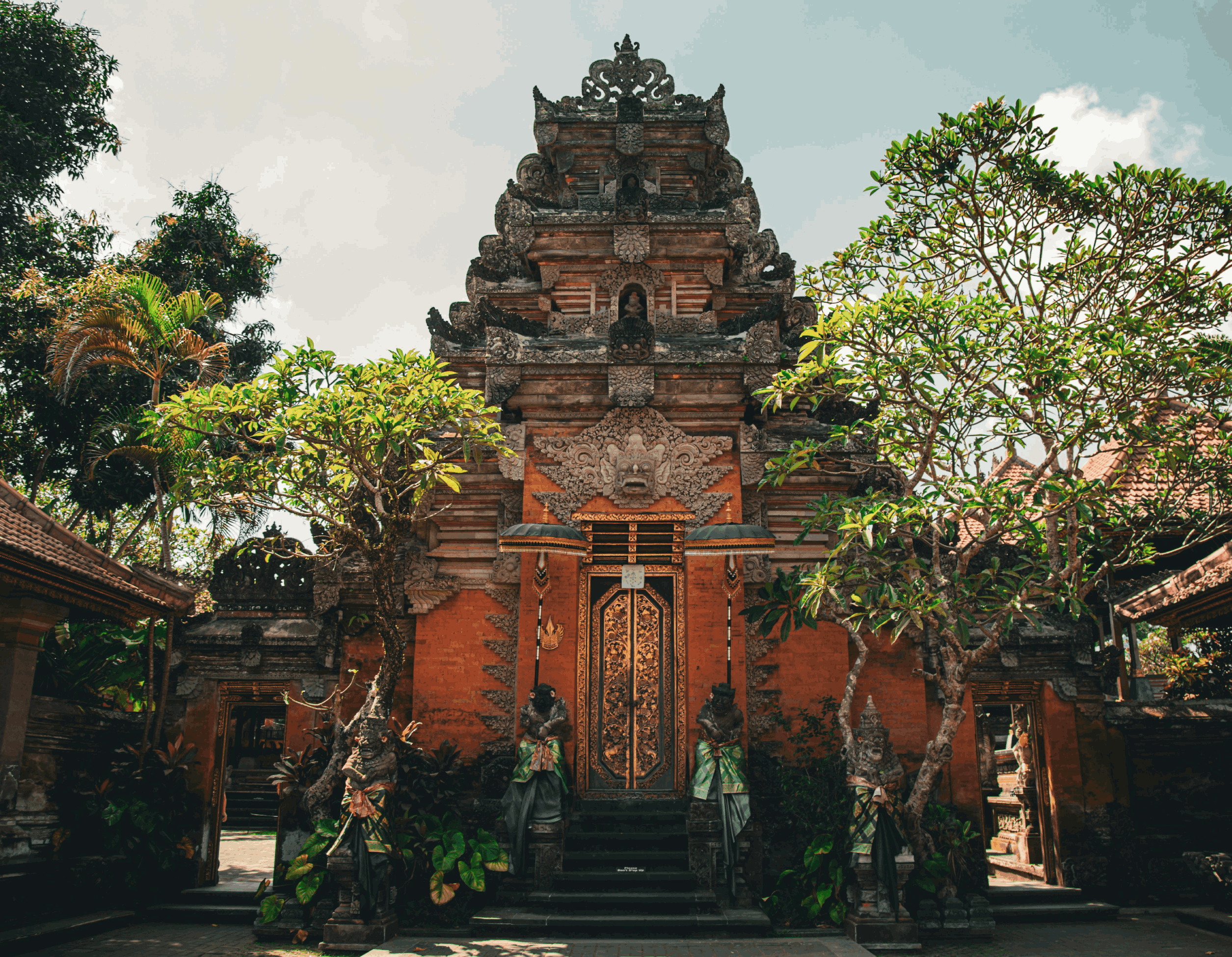
Learn more about Bali
Bali enjoys a tropical climate with warm temperatures year-round, averaging 26°C to 30°C. The island experiences two main seasons: dry and wet.
The best time to visit Bali is from May to October, when the dry season brings sunny skies and excellent conditions for beaches, surfing, and outdoor adventures. The wet season from November to April sees more frequent rainfall but still offers plenty of sunshine between showers.
7–10 days
Bali caters to a wide range of travelers with services from relaxation to adventure tours:
- Guided temple and cultural tours
- Surfing lessons and beach activities
- Yoga and wellness retreats
- Snorkeling and diving excursions
- Mount Batur sunrise hikes
- Spa and traditional Balinese massage
- Hotel, villa, and resort accommodations
Bali’s culture is deeply rooted in Balinese Hinduism, which shapes village life, festivals, ceremonies, and artistic expression. Each village has its own temples and religious observances, with colorful rituals held throughout the year. Balinese dance, gamelan music, and wood carving reflect centuries of cultural development influenced by Indian Hindu traditions and agrarian life.
The arrival of Hinduism around the 1st millennium AD greatly influenced Bali’s architecture, religion, and society, resulting in iconic temple styles and ceremonial rituals. Majestic temple complexes like Besakih the “Mother Temple” stand as spiritual centers central to Balinese identity.
Bali has also become a global cultural crossroads, blending traditional art, crafts, and performance with modern tourism. Local markets, galleries, and workshops allow travelers to experience Balinese heritage firsthand, from painting and pottery to silver jewelry craftsmanship.
The Indonesian Rupiah (IDR) is used across Bali. ATMs are common in tourist areas; credit cards accepted in hotels and larger restaurants but cash is preferred in markets. Always use licensed exchange services.
Bali’s cuisine offers rich flavors influenced by Indonesian spices and fresh local ingredients:
- Babi Guling – Balinese roasted suckling pig
- Nasi Goreng – Indonesian fried rice
- Mie Goreng – Fried noodles
- Satay – Grilled skewered meats
- Lawar – Traditional Balinese vegetable and coconut mix
- Bali Coffee – Locally grown and roasted
Bali FAQs
Do I need a visa to travel to Bali? Whether you need a visa depends on your nationality. Many visitors are eligible for Visa on Arrival or visa‑free entry for short stays. Always check with the Indonesian embassy or consulate before travel.
Do I need to purchase travel insurance before travelling? Yes. Travel insurance is strongly recommended to cover medical emergencies, trip cancellations, lost luggage, and unexpected events.
Is tipping customary in Bali? Tipping is not required but appreciated. Small gratuities for good service in restaurants, spas, and tours are common.
Can I drink the water in Bali? Tap water is generally not safe for drinking. Bottled or filtered water is recommended.
What is the internet access like in Bali? Internet access is widely available in hotels, cafes, and tourist areas; speeds vary outside urban centers.
Can I use my mobile in Bali? Yes. Mobile coverage is reliable in most areas. Local SIM cards offer affordable data plans.
How do I stay safe and healthy while travelling? Bali is generally safe, but be cautious with street traffic and swimming in strong currents. Follow health advisories, protect against mosquitoes, and stay hydrated.
Are Soca Islands trips accessible for travelers with disabilities? Accessibility varies by location. Many hotels and attractions have accessible features, but some temples and natural sites may not. Discuss your needs in advance.