Australia Group Tours
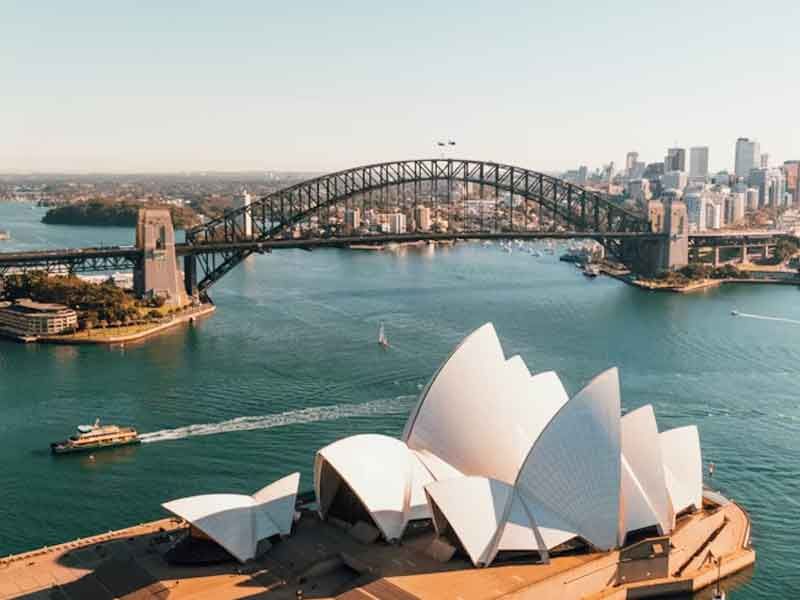
Australia is a continent of contrasts. Surf the iconic waves of Bondi Beach, dive the Great Barrier Reef, or road trip through the Outback for red rock landscapes and Aboriginal stories. Cities like Sydney, Melbourne, and Brisbane offer world-class dining, arts, and laid-back charm. Nature is the real star here—from kangaroos and koalas to rainforests and rugged coastlines. Whether you’re snorkeling, stargazing, or enjoying beach barbecues, Australia’s sense of space and adventure is unmatched.
Australia at a glance
Camberra
26.6 million
Australian Dollar (AUD)
English
+216
Type I plugs
Australian Eastern Standard Time (AEST< UTC+10:00)
Our Australia tours and holidays
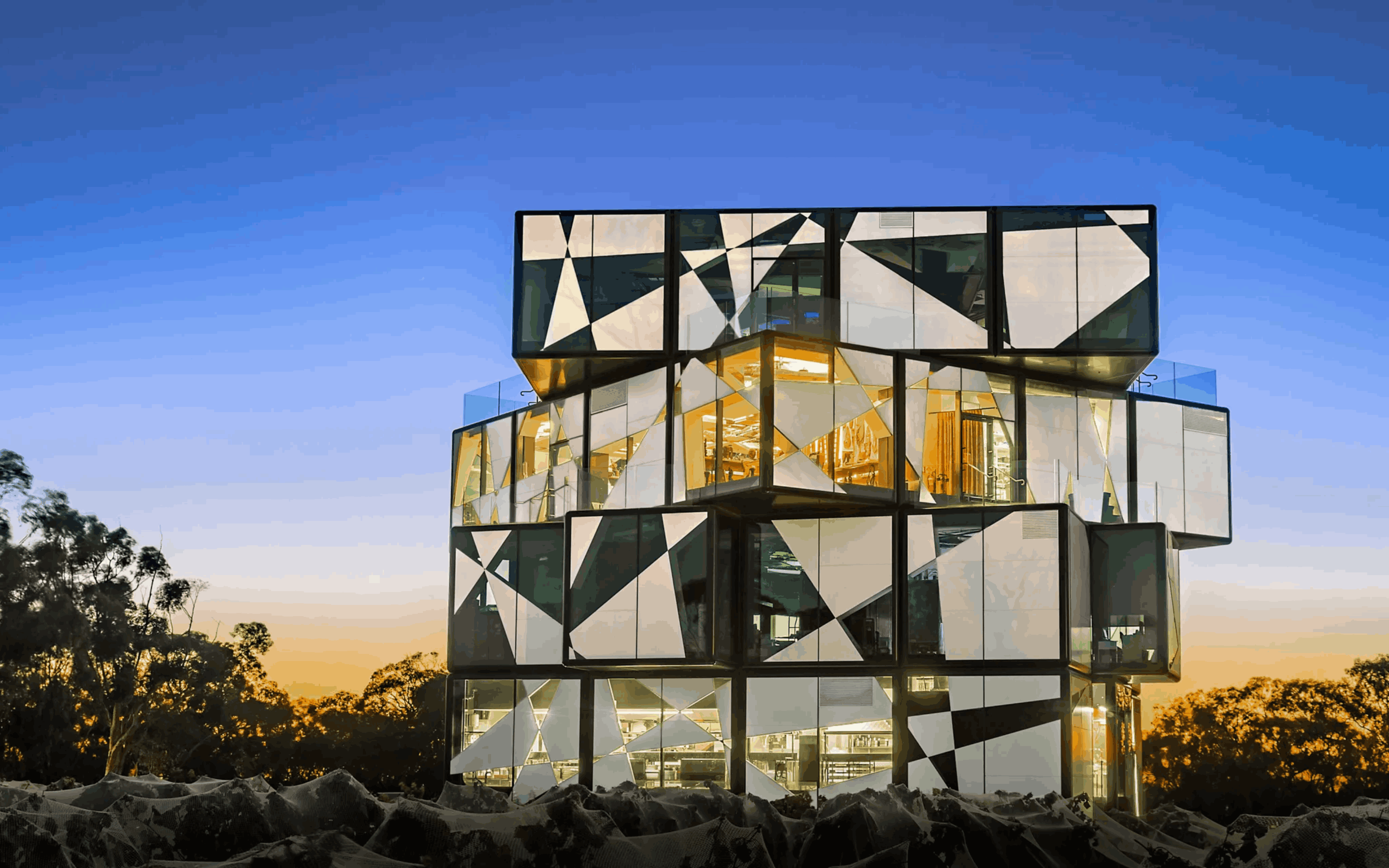

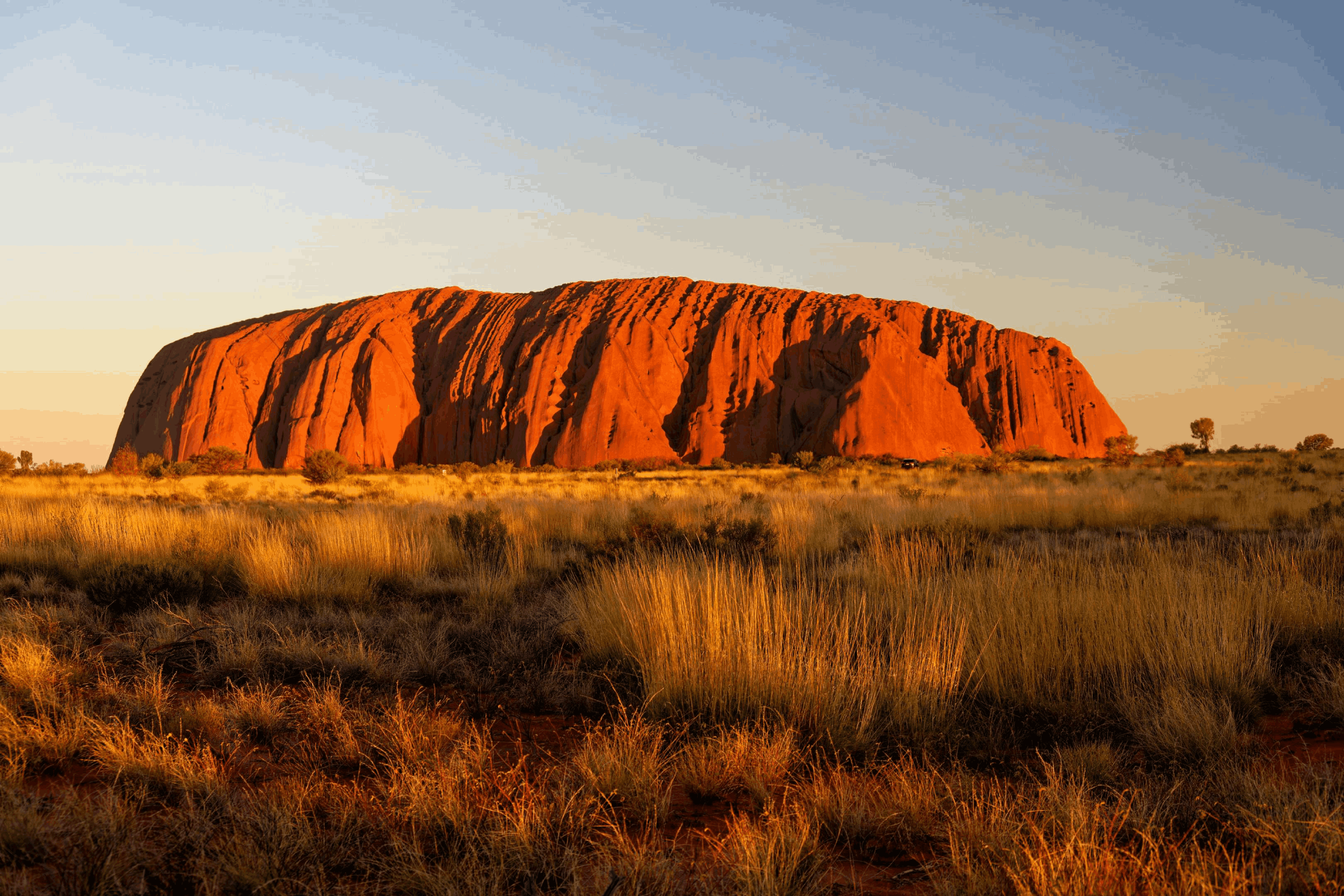
Learn more about Australia
The best time to visit Australia varies by region. Southern cities like Melbourne and Sydney are best visited in spring (September-November) or autumn (March-May) for mild weather and fewer crowds. For northern areas like Cairns and the Great Barrier Reef, the dry season from May to October offers warm, less humid conditions. The Outback is most comfortable from April to October, while skiing in the Snowy Mountains is best from June to September. Overall, spring and autumn offer the most pleasant conditions for travel.
7-10 days: Perfect for exploring one or two major cities like Sydney and Melbourne.
10-14 days: Ideal for visiting cities, nature spots, and landmarks like the Great Barrier Reef and Uluru.
3 weeks or more: Best for a comprehensive tour, including multiple cities, the Outback, and remote areas.
Car Rental: Major companies like Hertz and Avis offer rentals nationwide.
Accommodation: Options include hotels, guesthouses, hostels, resorts, Airbnb, and eco-lodges.
Transportation: Public transport (buses, trams, trains), domestic flights with Qantas and Virgin Australia, Uber, taxis, and ferries are available.
Tour Operators: Guided tours to major attractions are offered by companies like AAT Kings and Intrepid Travel.
Food Delivery: UberEats, Deliveroo, and Menulog provide convenient delivery services.
Banking: ATMs and currency exchange services are widely available.
Australia's culture is shaped by its Indigenous heritage, colonial past, and modern multicultural identity. Indigenous peoples, including Aboriginal Australians and Torres Strait Islanders, have a rich cultural history dating back over 60,000 years. European colonization began in 1788, leading to a diverse population and a multicultural society. Australia's national culture values a laid-back lifestyle, community, and a love for outdoor activities. The country is known for its thriving arts scene, popular sports like Australian Rules Football and cricket, and iconic landmarks like the Great Barrier Reef and Uluru. Overall, Australia blends ancient traditions with modern influences, creating a unique national identity.
In Australia, the currency is the Australian Dollar (AUD), with banknotes in $5, $10, $20, $50, and $100, and coins in 5c, 10c, 20c, 50c, $1, and $2. Credit and debit cards (Visa and MasterCard) are widely accepted, and ATMs are available, though a fee may apply. Tipping is not mandatory but appreciated (10-15% in restaurants). Currency exchange services are available at airports and banks. Mobile payment systems like Apple Pay and Google Pay are commonly used. It’s best to carry both cash and cards for convenience.
Australia's food scene is diverse, influenced by its multicultural society and history. Must-try dishes include meat pies, Vegemite on toast, Tim Tams, pavlova, and barramundi. Lamingtons, Anzac biscuits, and fairy bread are beloved treats, while salt and pepper squid and Aussie BBQs with sausages, steaks, and shrimp showcase the country's love for seafood and outdoor dining. Australia's food culture offers something for every taste, from iconic sweets to fresh seafood.
Australia FAQs
Do I need a visa to travel to Australia?
Whether you need a visa depends on your nationality. Citizens from many countries, including the United States, Canada, the United Kingdom, and most EU nations, require a visa to enter Australia, even for short stays (typically up to 90 days). Visitors must have a valid passport (generally with at least six months’ validity beyond arrival), proof of onward or return travel, and sufficient funds. For longer stays or purposes like work or study, a specific visa may be required. It’s best to check with the nearest Australian consulate or embassy for the latest entry requirements.
Do I need to purchase travel insurance before traveling? Yes. Travel insurance is highly recommended for all visitors to Australia. It can cover unexpected events like medical emergencies, lost luggage, trip cancellations, or delays. While Australia has excellent healthcare facilities, having insurance gives you peace of mind and financial protection during your trip.
Is tipping customary in Australia?
Tipping in Australia is not mandatory but appreciated for good service. In restaurants, a tip of 10–15% is standard if a service charge isn’t already included. Taxi drivers, hotel staff, and local guides typically receive small tips of around AUD 2–5, depending on the service. It’s useful to carry small denominations for tipping.
Can I drink the water in Australia?
Yes, tap water in Australia is safe to drink. The water is of high quality and treated to meet strict health standards. Bottled water is also widely available for those who prefer it, especially in remote or rural areas.
What is the internet access like in Australia?
Internet access in Australia is widely available, with free Wi-Fi offered in most hotels, cafes, and restaurants in major cities like Sydney, Melbourne, and Brisbane. Mobile internet from providers like Telstra, Optus, and Vodafone is generally reliable across the country, although remote areas may have limited coverage.
Can I use my mobile in Australia?
Yes, mobile phone coverage is excellent in most urban areas and along major travel routes. Local providers such as Telstra, Optus, and Vodafone offer affordable prepaid SIM cards and data packages. If you’re using your home carrier, ensure international roaming is enabled before departure. Remote areas, especially in the Outback, may have limited coverage.
How do I stay safe and healthy while traveling?
Australia is a generally safe destination for tourists. Stay alert in crowded places, avoid isolated areas at night, and keep valuables secure. To stay healthy, drink plenty of water, use sunscreen, and be cautious with outdoor activities (e.g., swimming in the ocean). Always check your government’s travel advisory for up-to-date safety information.
Are trips accessible for travelers with disabilities?
Australia is a highly accessible destination with many modern hotels, attractions, and public transport options that cater to travelers with disabilities. However, some older buildings or remote areas may not be fully accessible. It’s best to contact your travel provider in advance to ensure proper accommodations and support for specific needs.