
Uganda Group Tours
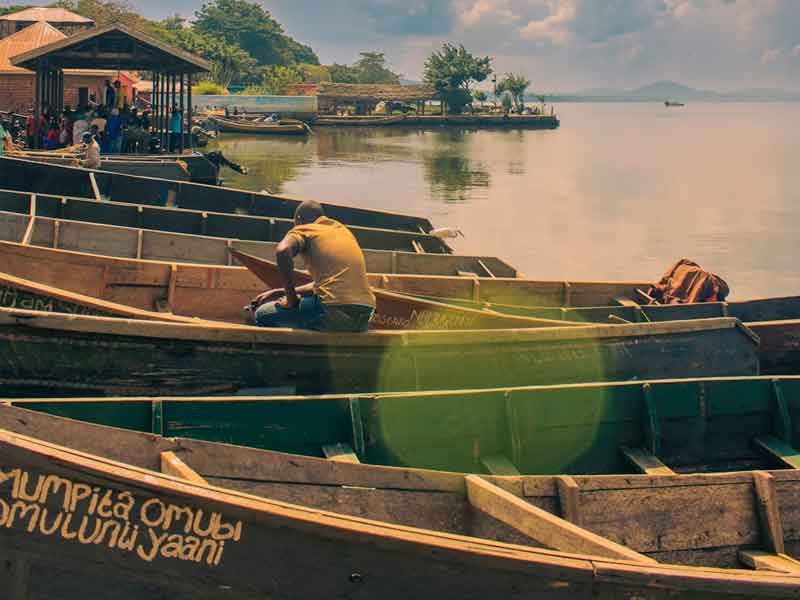
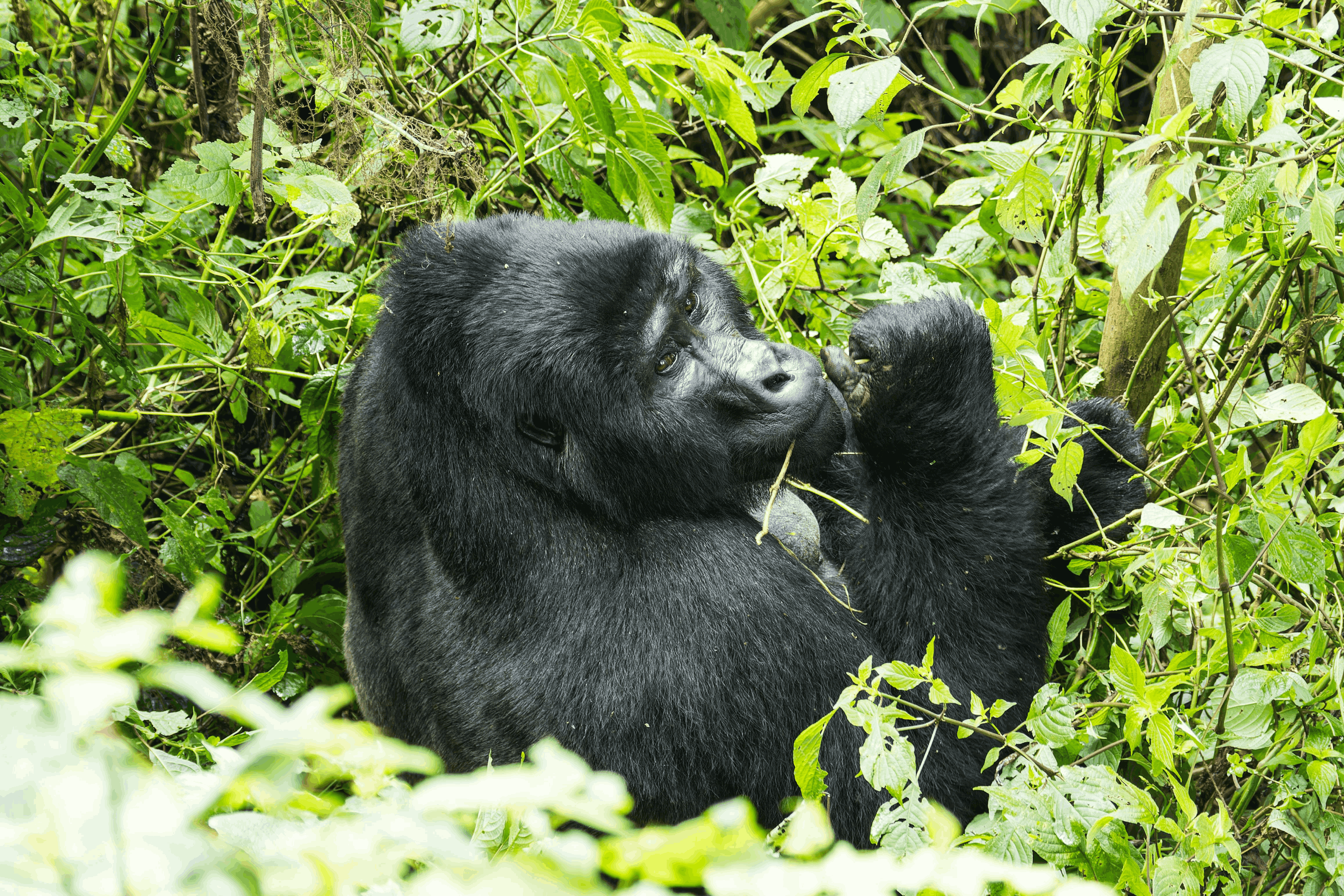
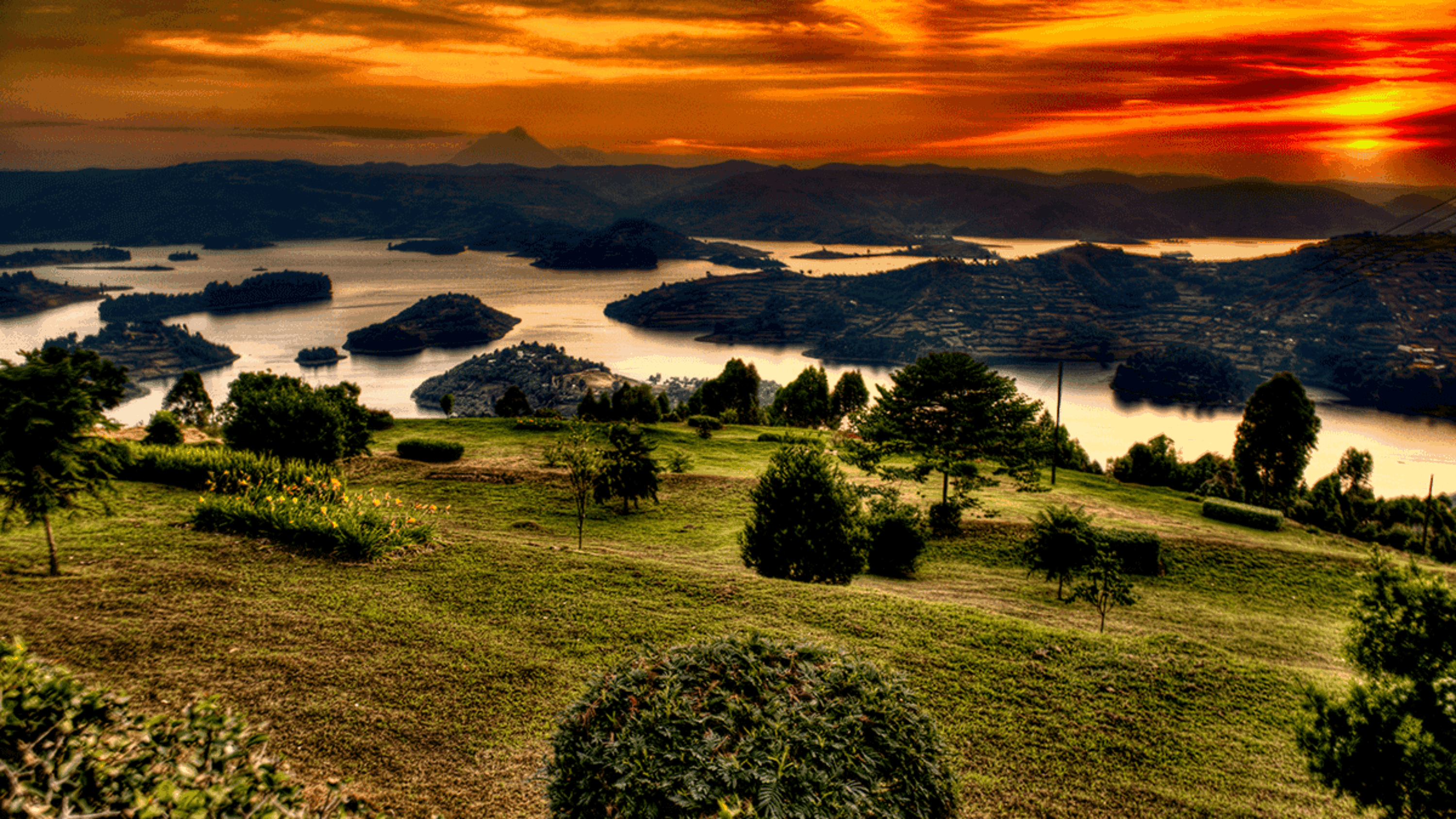
Uganda, known as the “Pearl of Africa,” is famed for its lush landscapes, abundant wildlife, and the legendary source of the Nile River. Visitors can trek through the misty Bwindi Impenetrable Forest to encounter endangered mountain gorillas, go on wildlife safaris in Queen Elizabeth National Park, or explore the expansive Lake Victoria and its islands. The Rwenzori Mountains, with their snow-capped peaks, offer thrilling hiking and climbing opportunities, while waterfalls, rainforests, and savannahs showcase the country’s natural diversity. Kampala, the capital, offers urban attractions including museums, markets, and vibrant nightlife, blending modernity with local traditions.
Uganda’s tourism emphasizes both adventure and culture. Visitors can interact with local communities, experience traditional dance and music, and explore rural villages. Eco-tourism is prominent, with opportunities to participate in wildlife conservation and sustainable farming projects. From kayaking on the Nile to birdwatching in forest reserves, Uganda offers a wide array of experiences for adventure travelers, wildlife enthusiasts, and culture seekers alike.
Uganda at a glance
Kampala
46 million
Ugandan Shilling (UGX)
English, Swahili
+256
Type G (UK 3-pin)
East Africa Time (EAT) – GMT +3
Our Uganda tours and holidays
Learn more about Uganda
Uganda’s climate is tropical and moderated by altitude, with warm temperatures and periodic rainfall throughout the year. Average temperatures typically range between 20°C and 30°C.
The best time to visit Uganda is during the dry seasons from December to February and June to August, when conditions are ideal for wildlife safaris, gorilla trekking, and exploring national parks.
The rainy seasons from March to May and September to November can bring heavier showers, which may make trekking trails muddy and travel in remote areas more difficult. However, the landscapes are especially lush and green during these months.
7-12 days
Uganda is ideal for wildlife adventures and nature-based tourism.
• Gorilla trekking in Bwindi Impenetrable Forest • Safari tours in Queen Elizabeth and Murchison Falls National Parks • Nile River rafting and boat tours • Hiking in the Rwenzori Mountains • Birdwatching and nature photography tours • Cultural visits to local communities
Uganda’s history spans ancient kingdoms, colonial encounters, and post-independence development. The Buganda, Bunyoro, and Ankole kingdoms shaped social and political structures for centuries, with the Buganda Kingdom still preserving cultural ceremonies and rituals. British colonialism introduced new governance systems and infrastructure, which influenced education, transportation, and urban development. Uganda gained independence in 1962, and since then, it has worked to preserve its diverse ethnic heritage while fostering national unity.
The country is home to over 50 ethnic groups, each with distinct languages, music, dance, and art. Traditional crafts, festivals, and ceremonies reflect a deep respect for ancestry and community. Drumming, storytelling, and ceremonial dances are central to cultural expression, while modern influences blend with traditions in urban centers. Visitors can attend local festivals, visit artisan villages, and experience performances that showcase the fusion of Uganda’s history with contemporary life.
Tourism in Uganda is deeply connected to nature and heritage. Community-based tourism initiatives allow visitors to engage with local traditions, participate in conservation programs, and explore historical sites. From gorilla trekking to cultural immersion, travelers gain a multifaceted experience of Uganda’s natural beauty, rich history, and vibrant culture.
Uganda’s official currency is the Ugandan Shilling (UGX). ATMs are available in major cities such as Kampala, Entebbe, and Jinja, but rural areas may have limited access. Credit cards are accepted in hotels, upscale restaurants, and larger stores, but cash is preferred elsewhere. Currency exchange bureaus and banks provide safe and reliable services, with US dollars often accepted in tourist hotspots. Travelers should carry small denominations for tips, local transportation, and market purchases.
Uganda’s cuisine is a reflection of its fertile lands, diverse cultures, and rich traditions. Meals are often communal, highlighting local ingredients such as plantains, maize, beans, and fresh fish from its lakes. Sampling local dishes is an essential part of experiencing Uganda’s culture and hospitality.
- Matoke – Steamed and mashed green bananas, often served with peanut sauce or meat.
- Luwombo – Steamed meat or vegetables cooked in banana leaves.
- Posho – Cornmeal porridge, a staple in many Ugandan households.
- Rolex – Ugandan street food: an omelette wrapped in a chapati with vegetables.
- Nyama Choma – Grilled meat, commonly goat or beef, often enjoyed at social gatherings.
Uganda FAQs
Do I need a visa to travel to Uganda? Most visitors need a visa, available online or on arrival. Confirm requirements with the nearest Ugandan embassy based on nationality.
Do I need to purchase travel insurance before travelling? Yes. Insurance is essential for medical emergencies, gorilla trekking, safaris, and trip disruptions.
Is tipping customary in Uganda? Yes. Tips are appreciated for guides, drivers, hotel staff, and restaurant workers.
Can I drink the water in Uganda? Bottled or filtered water is recommended. Tap water is often unsafe outside major cities.
What is the internet access like in Uganda? Wi-Fi is available in hotels and major cities. Rural areas and lodges may have limited connectivity.
Can I use my mobile in Uganda? Coverage is good in cities and tourist areas. Local SIM cards are recommended for affordable data and calls.
How do I stay safe and healthy while travelling? Exercise standard precautions. Follow safety guidance during wildlife activities, drink safe water, and use mosquito repellent. Check vaccination requirements before travel.
Are trips accessible for travelers with disabilities? Accessibility is limited in many rural areas. Modern hotels may have facilities, but gorilla trekking and safaris can be physically demanding. Inform your travel provider in advance.