
Tanzania Group Tours
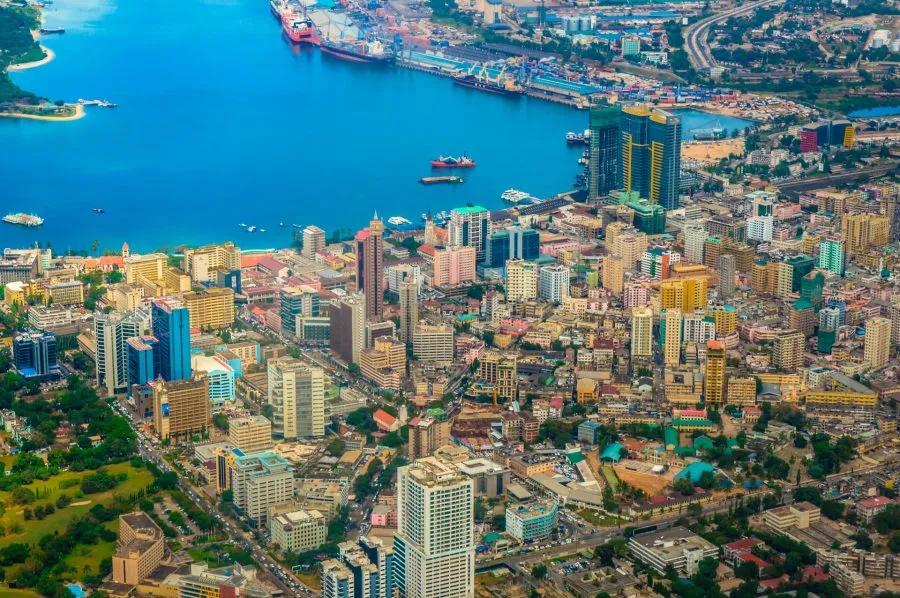
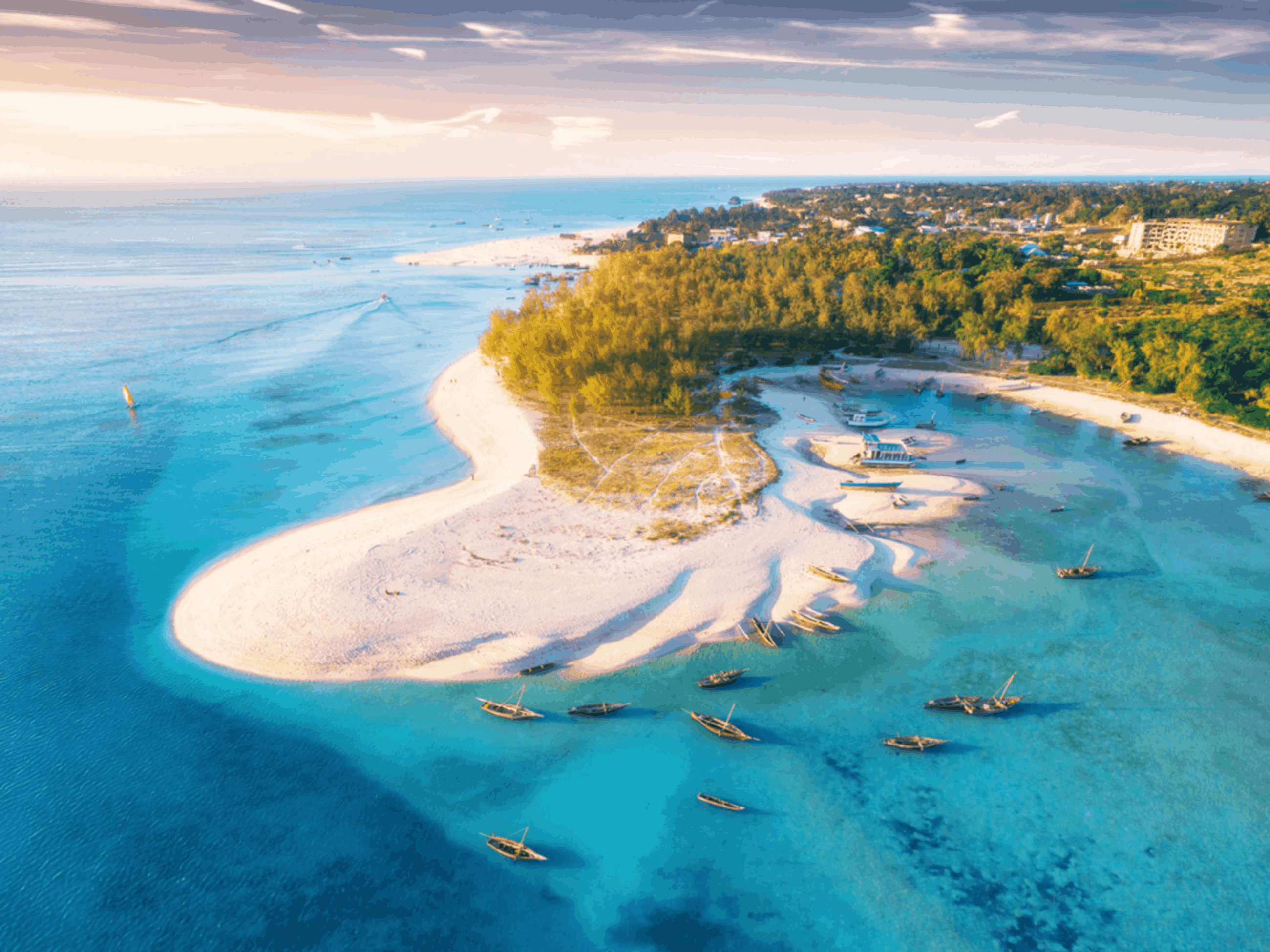
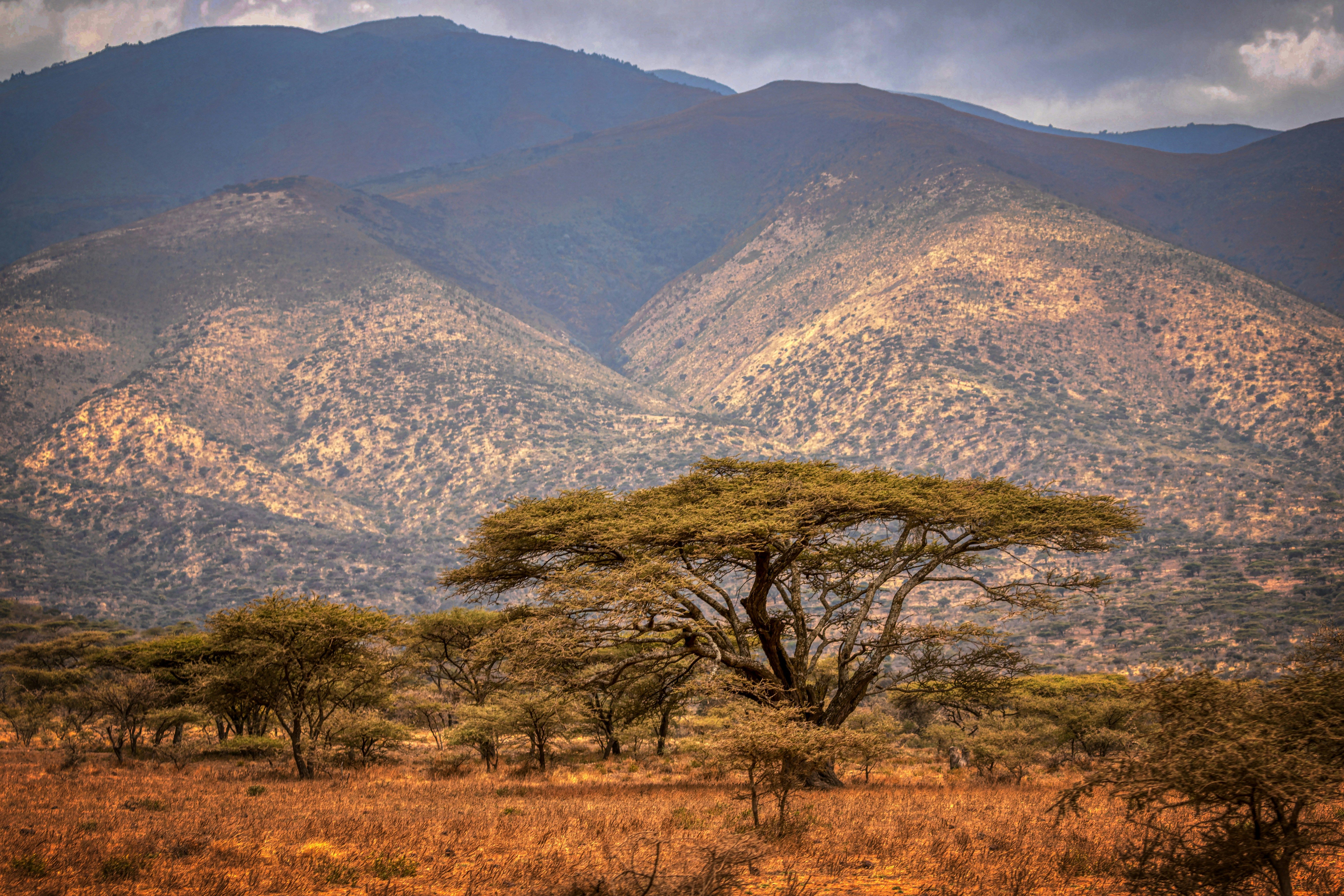
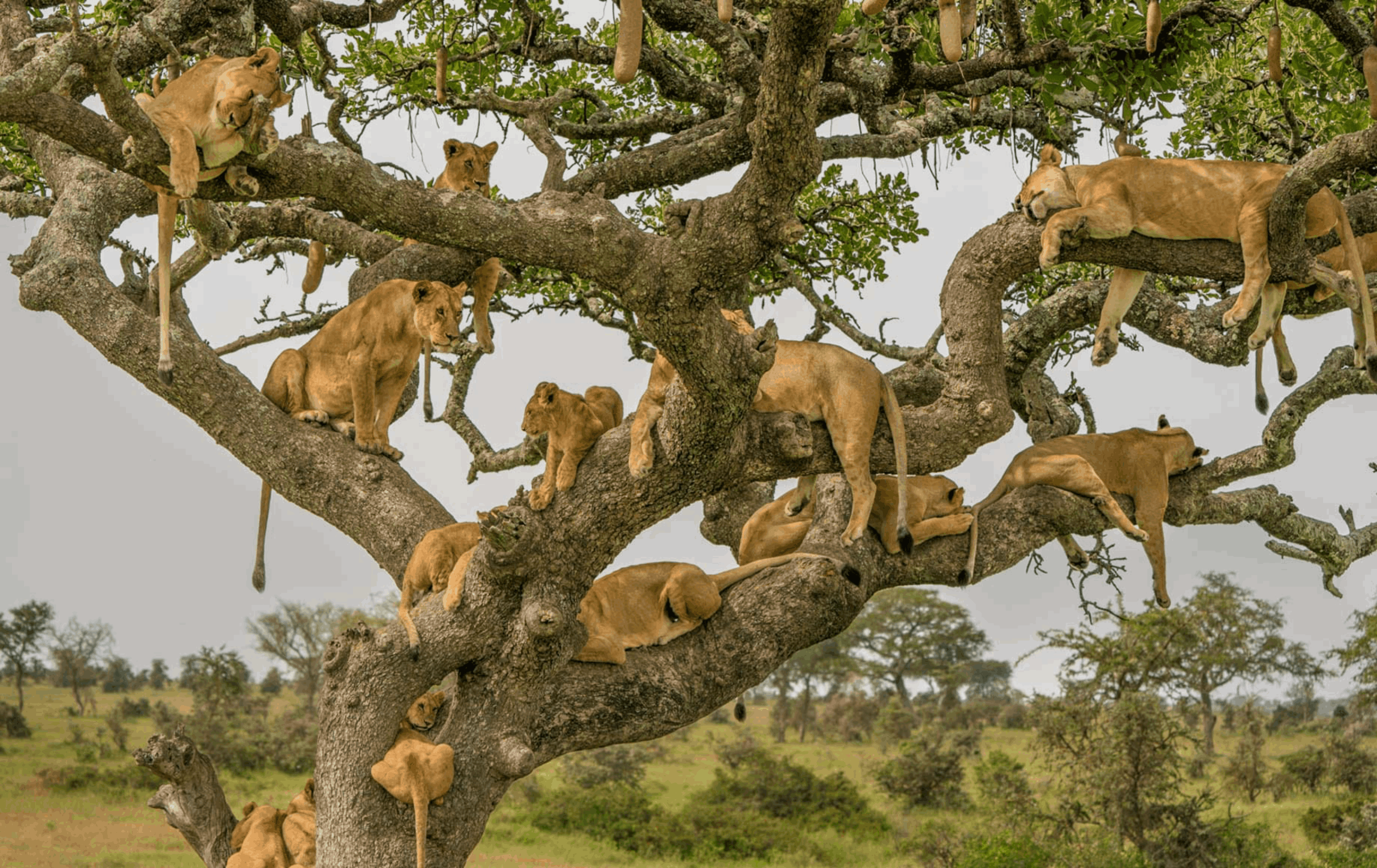
Tanzania is one of East Africa’s most diverse and experience-rich destinations, offering a powerful combination of world-famous wildlife safaris, iconic natural landmarks, and tropical coastline. From the vast plains of the Serengeti to the towering presence of Mount Kilimanjaro and the white-sand beaches of Zanzibar, the country delivers a wide range of travel experiences within a single destination.
What makes Tanzania especially appealing is the ability to combine adventure, nature, and relaxation in one trip. Travelers can move from safari game drives and mountain trekking to coastal escapes with relative ease, creating well-rounded itineraries that suit both first-time visitors and seasoned travelers.
Regional diversity is a key strength, with each area offering something unique. Northern Tanzania is known for its national parks and Kilimanjaro climbs, while the eastern coast and islands provide a slower pace with strong cultural and historical influences. This variety makes Tanzania ideal for both short, focused trips and longer, multi-experience journeys.
Tanzania at a glance
Dodoma
65 million
Tanzanian Shilling (TZS)
Swahili, English
+255
Type D & G plugs
East Africa Time (EAT, UTC+3)
Our Tanzania tours and holidays
Learn more about Tanzania
Tanzania is a year-round destination, but the best time to visit depends on your focus. The dry season from June to October is the most popular period, offering ideal conditions for wildlife viewing and trekking Mount Kilimanjaro. January to March is also a good time for climbing and witnessing the calving season in the Serengeti.
The rainy seasons (March to May and November) bring fewer crowds and lush landscapes but can make some travel and trekking conditions more challenging. Coastal areas like Zanzibar remain warm year-round, making them suitable for beach travel in most months.
10 to 14 days is a strong recommendation for Tanzania, allowing travelers to combine a safari experience in parks like Serengeti or Ngorongoro, a Mount Kilimanjaro trek or shorter hiking experience, and time to relax along the coast or in Zanzibar.
Shorter trips can focus on either a safari or Kilimanjaro climb, while longer stays allow for a more complete experience of the country’s landscapes, wildlife, and cultural regions.
10 to 14 days is a strong recommendation for Tanzania, allowing travelers to combine a safari experience in parks like Serengeti or Ngorongoro, a Mount Kilimanjaro trek or shorter hiking experience, and time to relax along the coast or in Zanzibar.
Shorter trips can focus on either a safari or Kilimanjaro climb, while longer stays allow for a more complete experience of the country’s landscapes, wildlife, and cultural regions.
Tanzania has a well-developed tourism industry focused on safaris, trekking, and coastal travel. Accommodation ranges from budget hostels and campsites to mid-range lodges and luxury safari camps. On Mount Kilimanjaro, guided treks are standard and include porters, cooks, and experienced guides to support climbers throughout the journey.
Transportation between major destinations is available through domestic flights, private transfers, and overland vehicles, though travel times can be longer compared to more developed regions. Organized tours are common and often recommended, especially for safaris and mountain climbs, due to logistics and park regulations.
In cities and tourist hubs, travelers will find tour operators, booking services, and local guides readily available, making it relatively straightforward to plan both independent and guided trips
The official currency in Tanzania is the Tanzanian Shilling (TZS), which is widely used for everyday transactions. US dollars are also commonly accepted in tourism-related settings such as hotels, safari lodges, and tour payments, particularly for larger expenses.
Cash is essential for smaller purchases, local markets, and rural areas, as card payments are not always reliable outside major cities and tourist zones. ATMs are available in cities like Arusha, Dar es Salaam, and Zanzibar, but access may be limited in remote areas.
Tipping is customary in the tourism industry, especially for guides, drivers, and Kilimanjaro trekking crews. Recommended tipping amounts are often provided by tour operators and are an expected part of the travel experience.
Ugali, Nyama Choma, Pilau, Chapati, Zanzibar Seafood, Mandazi