
South Africa Group Tours
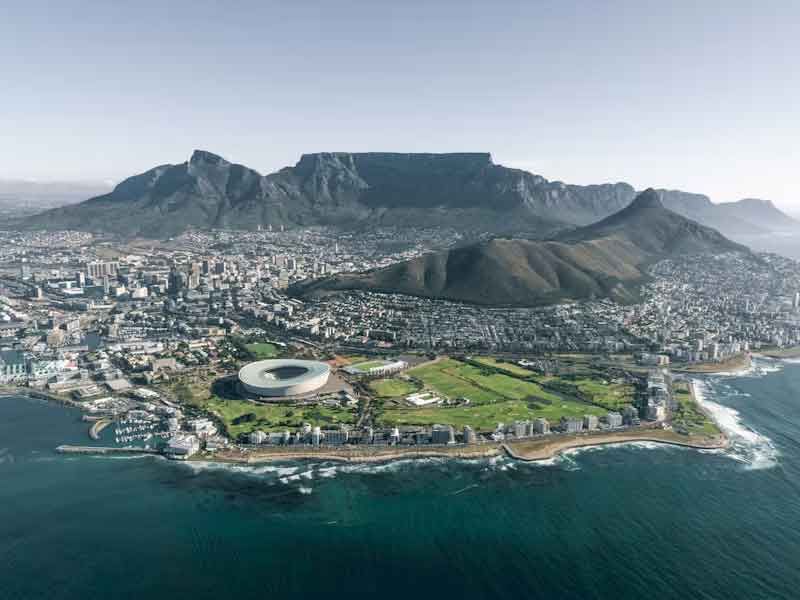
South Africa is a country of contrasts, where sweeping savannahs, dramatic mountains, and pristine coastlines meet modern cities and cultural hubs. Cape Town’s Table Mountain, the scenic Garden Route, and the beaches of Durban offer adventure and leisure opportunities for all types of travelers. Kruger National Park and Addo Elephant Park provide iconic safari experiences, allowing visitors to encounter the Big Five in their natural habitat. Beyond wildlife, South Africa offers wine country tours in Stellenbosch and Franschhoek, hiking trails in Drakensberg, and vibrant urban culture in Johannesburg and Pretoria. The country’s diverse landscapes, combined with excellent tourist infrastructure, make it an ideal destination for both adventure and relaxation.
South Africa’s tourism is deeply intertwined with cultural and historical experiences. Visitors can explore Robben Island, former mining towns, and heritage museums to understand the nation’s struggle against apartheid. Coastal towns and small villages showcase local crafts, seafood cuisine, and traditional music, while urban centers offer art galleries, theaters, and culinary tours. Adventure seekers can enjoy shark cage diving, paragliding, and scenic road trips, creating a balanced experience between history, culture, and natural beauty.
South Africa at a glance
Pretoria (administrative), Cape Town (legislative), Bloemfontein (judicial)
60 million
South African Rand (ZAR)
11 official languages, including English, Afrikaans, Zulu
+27
Type D, M & N (South African 3-pin)
South African Standard Time (SAST) – GMT +2
Our South Africa tours and holidays
Learn more about South Africa
South Africa experiences a diverse climate due to its large size and varied geography. Summers are warm to hot, while winters are generally mild in most regions.
The best time to visit depends on your travel plans. For wildlife safaris, the dry winter months from May to September are ideal, as animals gather near water sources and vegetation is thinner.
The summer months from November to March are perfect for coastal travel, beaches, and vibrant city life in places like Cape Town and Durban, though occasional afternoon storms may occur in some regions.
10–14 days
South Africa caters to adventure, wildlife, and cultural travelers alike.
• Safari tours in Kruger and Pilanesberg • Wine tasting in Stellenbosch and Franschhoek • Cape Town city and Table Mountain tours • Garden Route scenic road trips • Whale watching in Hermanus • Cultural village experiences
South Africa has a rich and complex history spanning millennia. Early San and Khoisan communities practiced hunting, gathering, and rock art traditions that remain an integral part of cultural identity. Bantu migrations introduced new social structures, farming, and ironwork. European colonization by the Dutch and later the British shaped urban centers, legal systems, and trade, culminating in racial segregation under apartheid in the 20th century. The nation’s transition to democracy in 1994, led by figures such as Nelson Mandela, marked a turning point, bringing global attention to South Africa’s resilience and reconciliation efforts.
South African culture is a vibrant blend of indigenous traditions, European influences, and modern creativity. Music genres such as maskandi, kwaito, and jazz coexist with traditional dances, beadwork, and storytelling. Festivals and cultural events celebrate local heritage, while culinary experiences from braai (barbecue) to Cape Malay cuisine offer a taste of diverse influences. Township tours, craft markets, and art galleries allow travelers to engage with communities and witness the ongoing evolution of South African identity.
Nature and wildlife are central to South African culture, with conservation efforts embedded in national consciousness. Visitors can explore national parks, participate in eco-tourism programs, and interact with local communities to understand sustainable living and heritage preservation. This connection between history, culture, and natural beauty makes South Africa a fully immersive travel experience.
South Africa uses the South African Rand (ZAR). ATMs are widely accessible in cities, towns, and tourist areas, and international debit/credit cards are generally accepted. Hotels, restaurants, and shops in urban areas usually accept cards, while rural markets and small vendors operate in cash. Currency exchange services are available at airports, banks, and licensed exchange bureaus.
South African cuisine is a flavorful blend of indigenous, Dutch, Indian, and Malay influences. Meals range from barbecued meats to fresh seafood, and local favorites like bobotie and bunny chow provide a taste of the country’s history and culture. Sampling these dishes adds a delicious dimension to any visit Bobotie – Baked minced meat with spices, topped with an egg custard.
- Bunny Chow – Hollowed-out bread filled with spicy curry.
- Braai – Traditional South African barbecue featuring beef, lamb, or chicken.
- Biltong – Dried, cured meat snack, similar to jerky.
- Chakalaka – Spicy vegetable relish often served with bread or meat.
- Milk Tart (Melktert) – Sweet pastry with creamy milk filling.
- Koeksisters – Fried dough twisted and soaked in syrup for a sweet treat.
South Africa FAQs
Do I need a visa to travel to South Africa? Visitors from many countries, including the US, UK, EU, Canada, and Australia, do not require a visa for short stays (usually up to 90 days). Check your nationality’s current requirements.
Do I need to purchase travel insurance before travelling? Yes. Insurance is recommended for medical emergencies, vehicle incidents, and travel interruptions.
Is tipping customary in South Africa? Yes. Tipping is customary in restaurants, bars, hotels, and taxis, usually 10–15% of the bill.
Can I drink the water in South Africa? Tap water in urban areas is generally safe to drink. Bottled water is recommended in rural or less-developed regions.
What is the internet access like in South Africa? Wi-Fi is widely available in cities, hotels, and cafes. Speeds may be slower in rural or remote areas.
Can I use my mobile in South Africa? Yes. Coverage is reliable in most areas. Local SIM cards are recommended for cheaper calls and data.
How do I stay safe and healthy while travelling? Exercise caution in cities, avoid unsafe areas, and follow local safety guidance. Healthcare is good in urban centers but limited in remote areas.
Are trips accessible for travelers with disabilities? Accessibility varies. Urban hotels and national parks may have accessible facilities, but rural lodges and safari sites may be limited. Notify your travel provider.