Morocco Group Tours
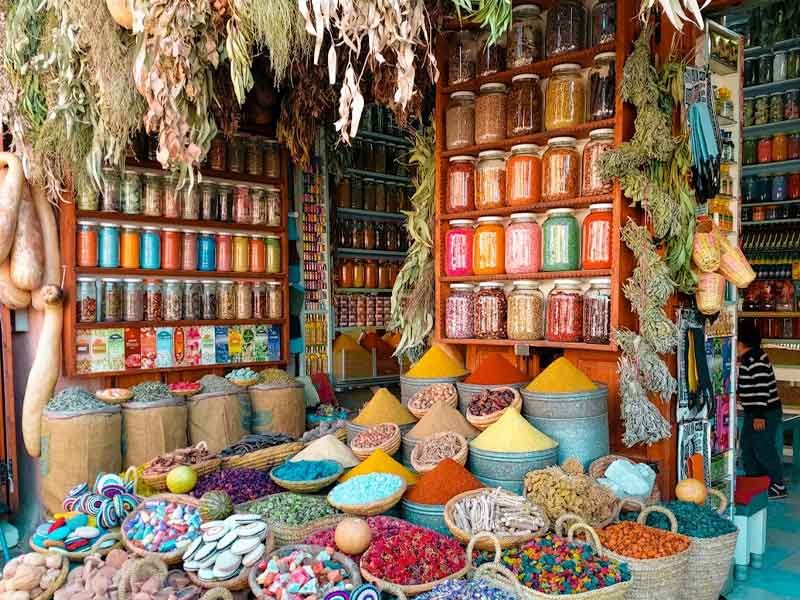
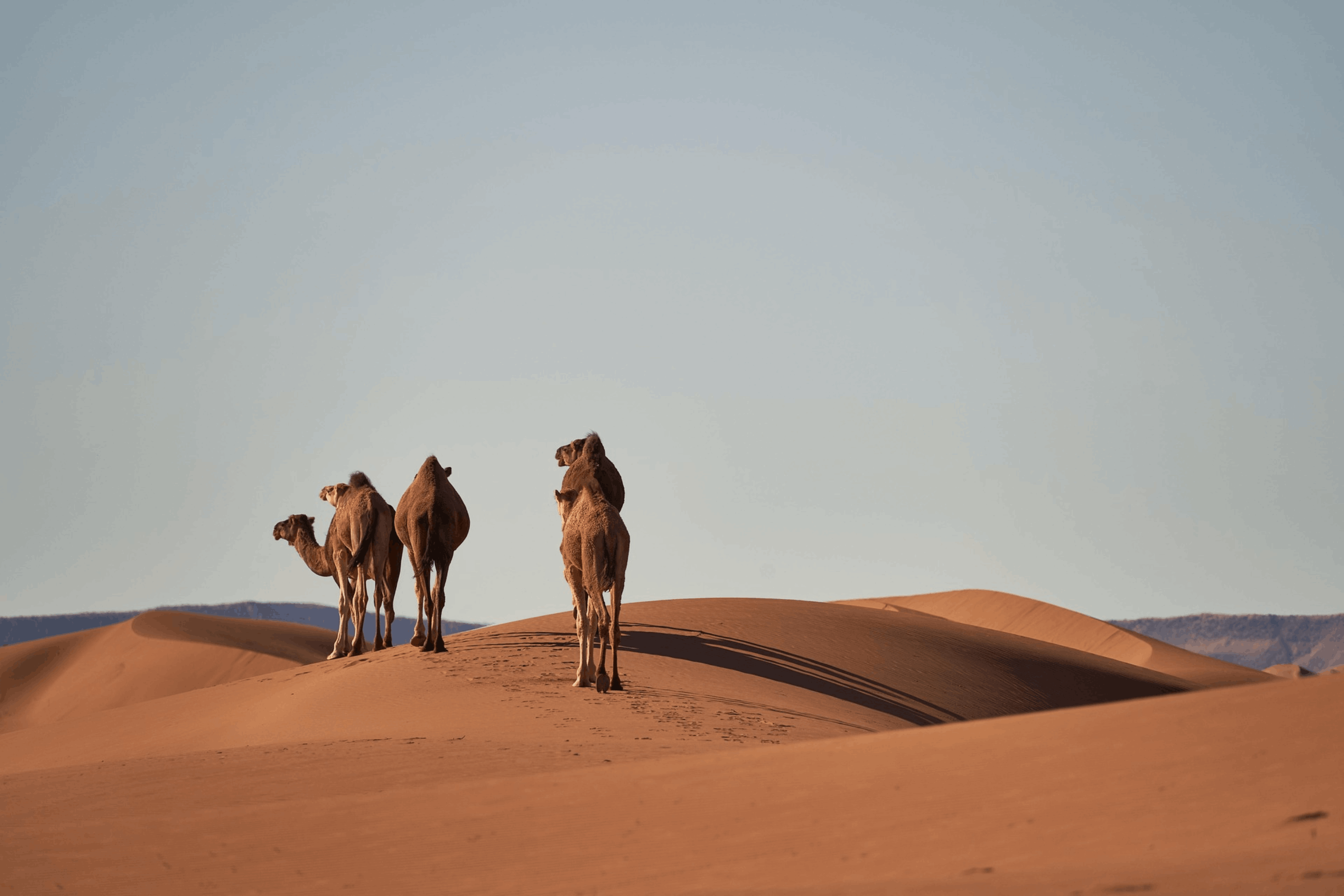
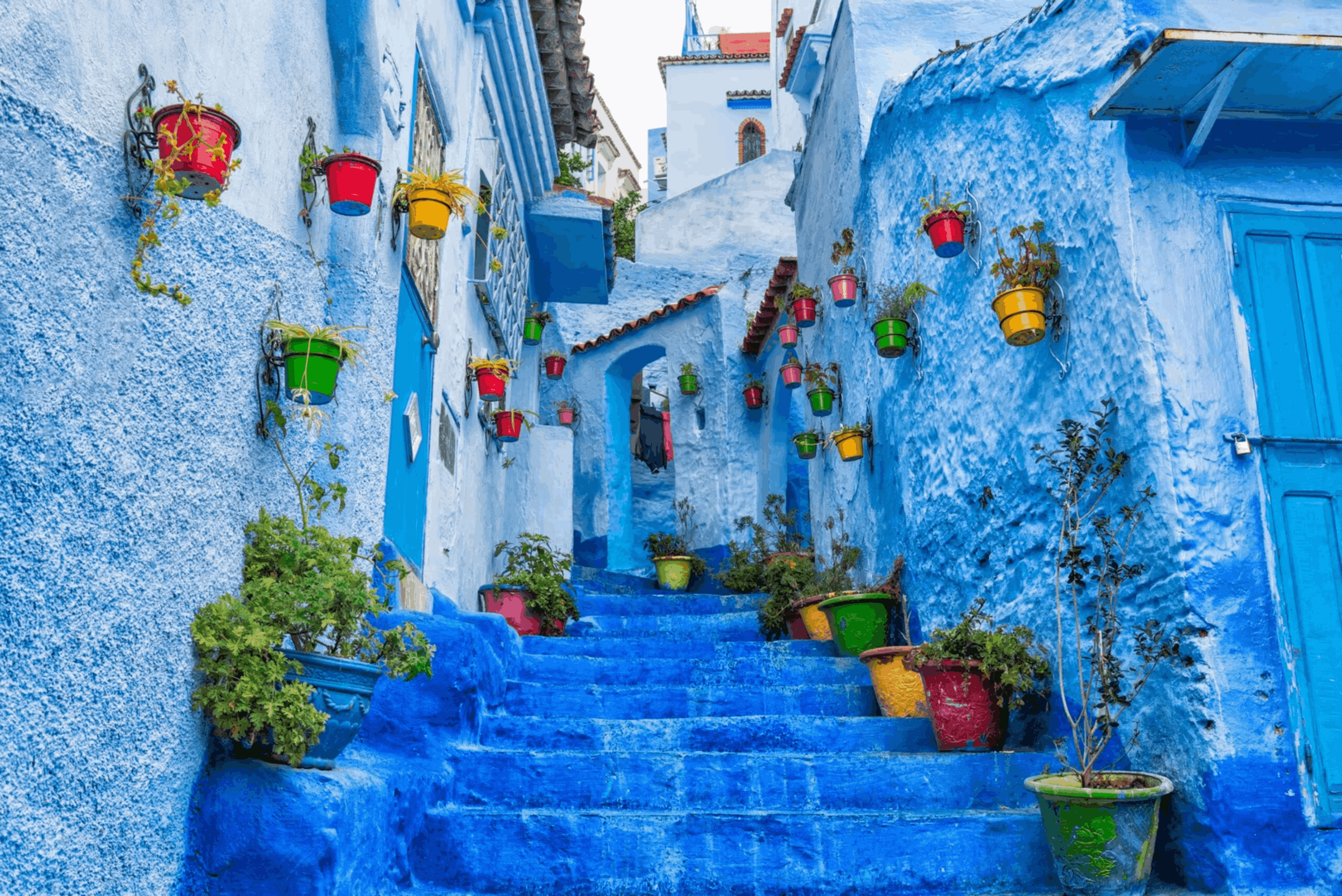
Morocco is a vibrant North African country where the desert meets the mountains and the Atlantic Ocean. From the bustling medinas of Marrakech and Fes to the coastal charm of Essaouira and Agadir, Morocco offers travelers an unforgettable mix of culture, history, and natural beauty. The Atlas Mountains provide stunning hiking trails, picturesque villages, and opportunities to explore Berber culture, while the Sahara Desert invites visitors to experience camel treks, starlit camps, and dramatic sand dunes. Morocco’s cities are full of bustling markets, ancient palaces, colorful mosaics, and lively street life, creating an immersive cultural experience for travelers.
Tourism in Morocco balances adventure and relaxation. Visitors can wander labyrinthine souks, discover historic mosques and kasbahs, relax on pristine beaches, or take scenic drives through rugged landscapes. Morocco is also known for its festivals, arts, and crafts, from traditional pottery and weaving to contemporary art galleries. Its cuisine, architecture, and diverse landscapes make Morocco a must-visit destination for travelers seeking both cultural immersion and outdoor exploration.
Morocco at a glance
Rabat
37 million
Moroccan Dirham (MAD)
Arabic, Berber, French widely spoken
+212
Type C & E
GMT +1
Our Morocco tours and holidays
Learn more about Morocco
Morocco’s climate varies from Mediterranean along the coast to desert conditions in the interior and Sahara regions. Summers can be very hot, especially inland, while winters are generally mild.
The best time to visit Morocco is during spring (March to May) and autumn (September to November), when temperatures are comfortable for exploring cities such as Marrakech, Fez, and Casablanca, as well as the Atlas Mountains and desert landscapes.
During the summer months from June to August, temperatures in inland cities can exceed 38°C, making sightseeing challenging for some travelers. Coastal areas remain cooler during this time, while winter months offer pleasant weather for desert tours and cultural exploration.
7-12 days
Morocco blends cultural exploration, desert adventures, and scenic travel.
• Guided tours of Marrakech, Fes, and Casablanca • Sahara Desert camel treks and camping • Atlas Mountains trekking • Coastal beach activities in Essaouira and Agadir • Culinary tours and spice market visits • Cultural and historic museum tours
Morocco’s history spans thousands of years, from prehistoric settlements to the rise of Berber kingdoms. Arab conquest in the 7th century brought Islam, which deeply influenced Moroccan architecture, law, and society. Dynasties such as the Almoravids, Almohads, and Saadians left their mark through magnificent mosques, palaces, and fortified cities. In the 19th and 20th centuries, French and Spanish protectorates introduced European architecture, modern infrastructure, and education, shaping Morocco into the diverse and cosmopolitan country it is today. Morocco gained independence in 1956, preserving its unique identity while embracing modernization.
Moroccan culture is a vibrant blend of Berber, Arab, and European influences. Music, art, and craftsmanship are central to daily life, with traditional genres like Gnawa and Andalusian music performed at festivals and cultural gatherings. The country’s medinas are alive with artisans creating pottery, carpets, leather goods, and jewelry. Moroccan hospitality is legendary, with mint tea ceremonies and communal meals providing a window into local life. Religious and cultural festivals, such as Eid celebrations and the Fes Festival of World Sacred Music, highlight Morocco’s rich heritage and community spirit.
Tourists can experience Morocco through its food, markets, and living traditions. Guided tours of historic cities, desert excursions, and village visits offer insight into centuries of history and culture. Travelers can learn about traditional crafts, witness ancient architectural marvels, and engage with local communities, creating a travel experience that combines adventure, education, and cultural connection.
Morocco’s official currency is the Moroccan Dirham (MAD). ATMs are widely available in cities, towns, and tourist hubs, and most accept international credit and debit cards. Hotels, larger restaurants, and shops accept cards, but markets, small vendors, and rural areas prefer cash. Currency exchange is available at banks, airports, and licensed bureaux de change, while Euros and US dollars are sometimes accepted in tourist areas.
Moroccan food is a vibrant fusion of Berber, Arab, and Mediterranean influences. Aromatic spices, slow-cooked stews, and freshly baked breads make every meal a sensory adventure. Tasting traditional dishes is a wonderful way to immerse yourself in Morocco’s rich heritage and culinary artistry. Tagine – Slow-cooked stew with meat, vegetables, and aromatic spices.
- Couscous – Steamed semolina served with vegetables, meat, or fish.
- Pastilla – Flaky pastry with chicken or pigeon, almonds, and sweet-spicy flavors.
- Harira – Rich tomato-based soup with lentils, chickpeas, and herbs.
- Mint Tea – Sweet green tea infused with fresh mint leaves, a staple of Moroccan hospitality.
- Mechoui – Slow-roasted lamb, typically cooked over a spit for festive occasions.
- Briouats – Small pastries filled with meat, cheese, or vegetables, often fried and crispy.
Morocco FAQs
Do I need a visa to travel to Morocco? Citizens of many countries, including the US, UK, Canada, and several EU nations, can visit Morocco visa-free for up to 90 days. Travelers from other countries may need to apply for a visa in advance. Always check with your nearest Moroccan embassy for the latest requirements.
Do I need to purchase travel insurance before travelling? Yes. Travel insurance is recommended to cover medical expenses, trip interruptions, lost luggage, and other unexpected situations.
Is tipping customary in Morocco? Yes. Tipping is customary and expected in Morocco. In restaurants, leaving around 5–10% is standard, and small tips are also appreciated by guides, drivers, and hotel staff.
Can I drink the water in Morocco? Tap water is generally treated but not always recommended for visitors. It’s safer to drink bottled or filtered water, especially in smaller towns or rural areas.
What is the internet access like in Morocco? Internet access is widely available in cities like Marrakech, Casablanca, and Fes, with Wi-Fi in most hotels, cafes, and restaurants. Speeds are generally good in urban areas but may be slower in remote regions.
Can I use my mobile in Morocco? Yes. Mobile coverage is good across most of the country. You can use international roaming or purchase a local SIM card for better rates on data and calls.
How do I stay safe and healthy while travelling? Morocco is generally safe for travelers. Stay aware of your surroundings, especially in busy markets and tourist areas. Keep valuables secure and follow local advice. Staying hydrated and protecting yourself from the sun is also important.
Are Soca Islands trips accessible for travelers with disabilities? Accessibility in Morocco varies. While some modern hotels and facilities offer accessibility features, older cities (medinas) can be difficult to navigate due to narrow streets and uneven surfaces. It’s recommended to plan ahead and confirm accessibility options