
Kenya Group Tours
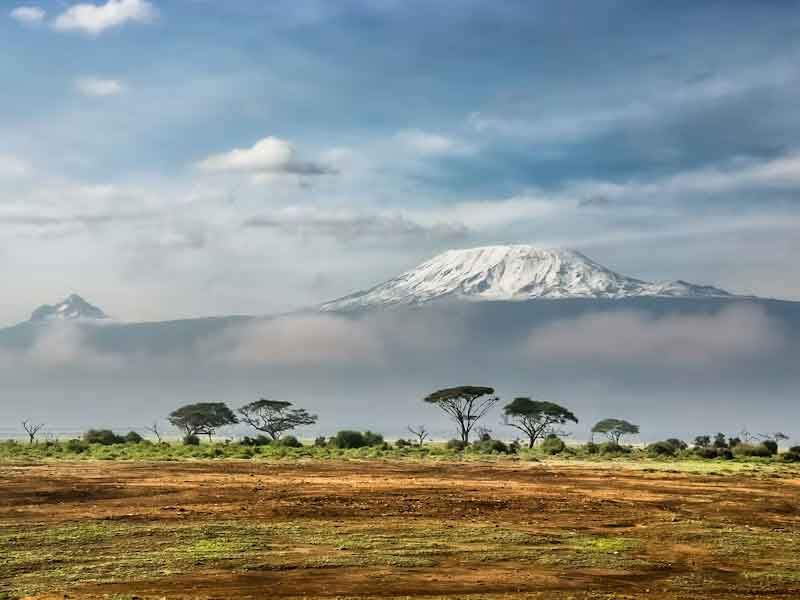
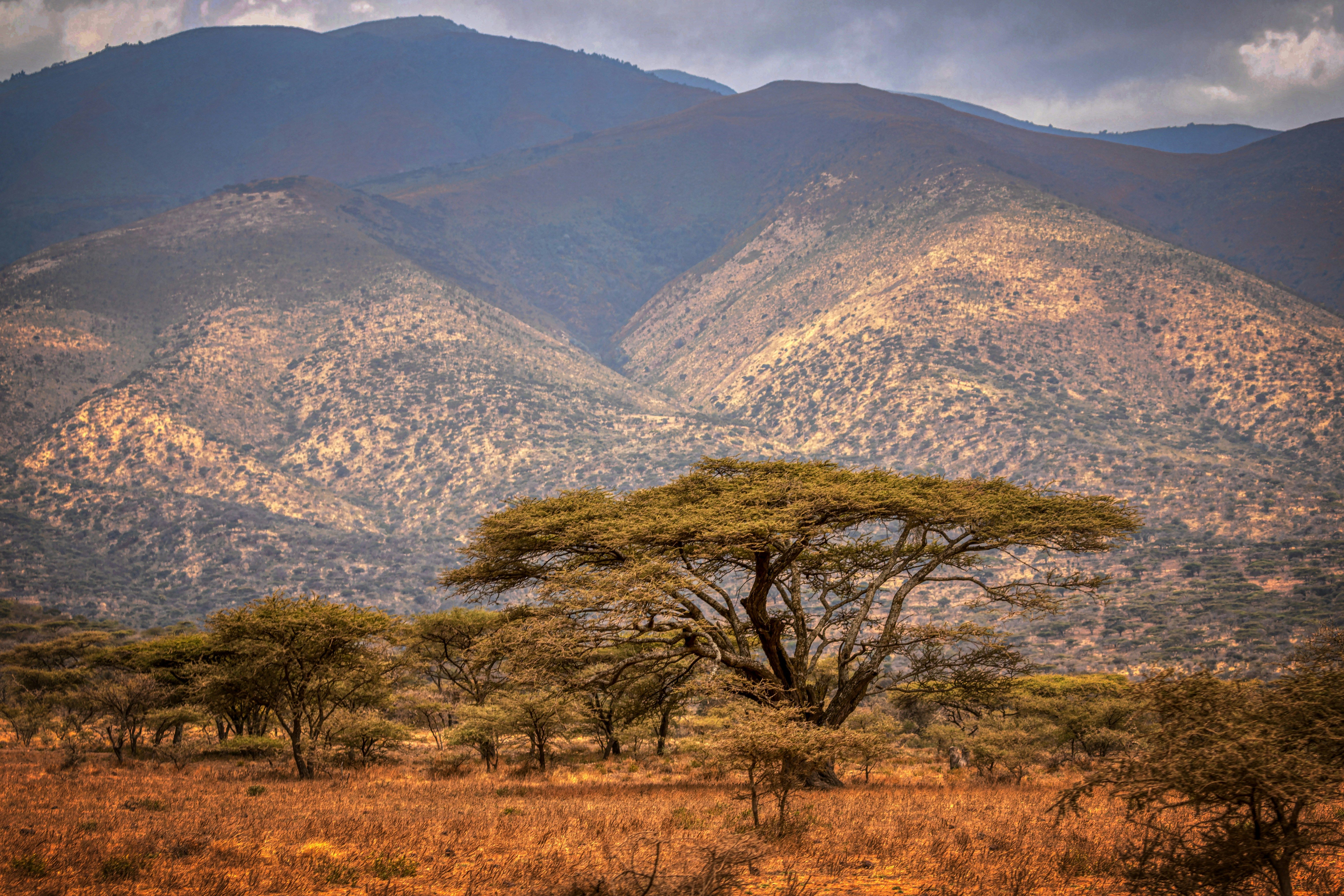
Kenya is a country of breathtaking natural diversity and adventure, stretching from the vast savannahs of the Maasai Mara to the snow-capped peaks of Mount Kenya. Wildlife enthusiasts can witness the Big Five—lion, elephant, buffalo, leopard, and rhino in some of Africa’s most famous national parks. The Great Rift Valley offers stunning lakes, scenic escarpments, and unique geological formations, while the Indian Ocean coast, including Mombasa and Diani Beach, invites relaxation, snorkeling, and water sports. Nairobi, the bustling capital, combines modern city life with cultural hubs, including museums, art galleries, and markets that showcase Kenya’s dynamic urban culture. Whether on safari, hiking mountains, or exploring vibrant towns, Kenya offers an unmatched combination of adventure and discovery.
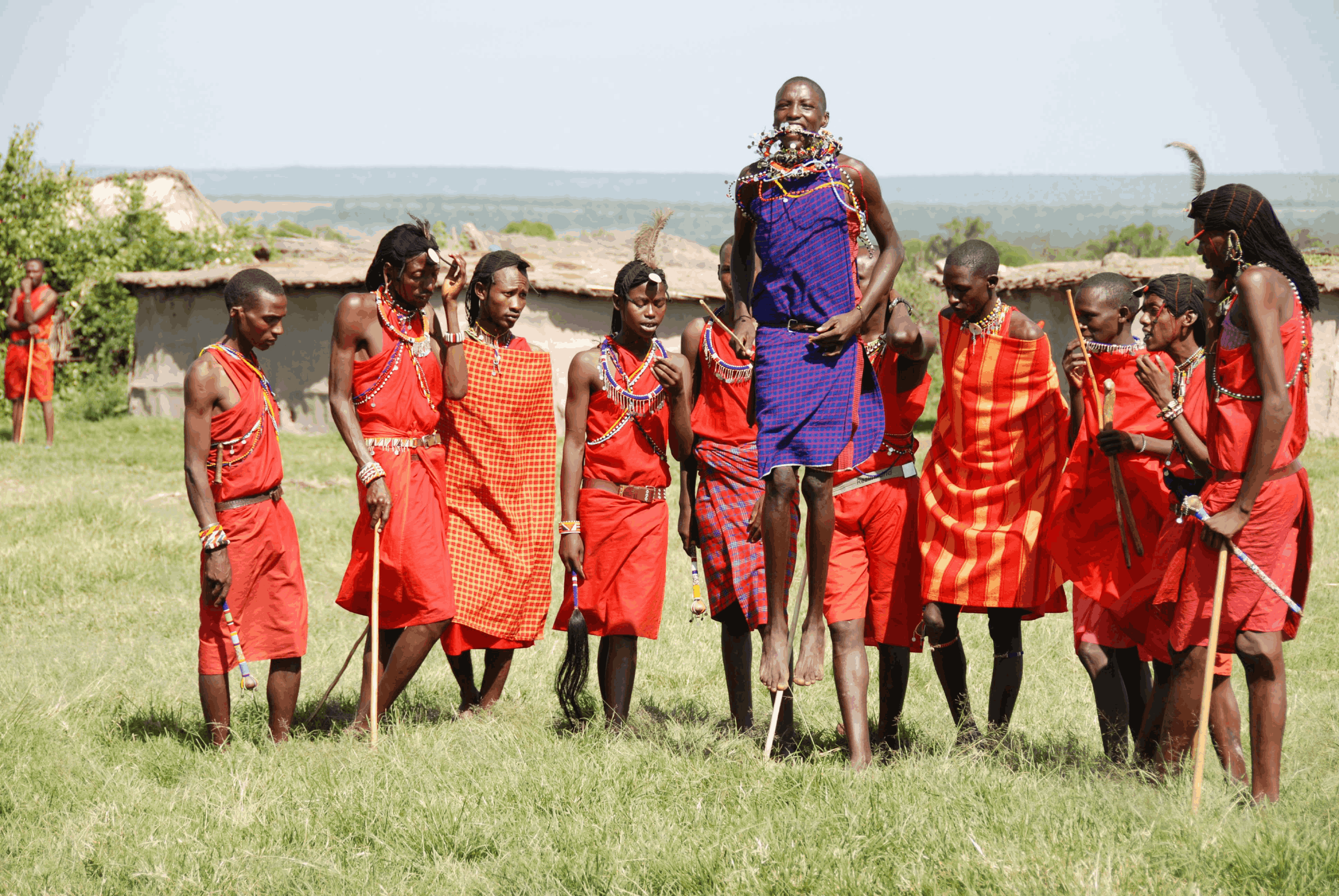
Kenya’s tourism is centered around both nature and cultural experiences. Visitors can participate in Maasai village tours, hot air balloon safaris over savannah plains, or birdwatching in the Rift Valley, which is home to thousands of species. Coastal towns offer Swahili culture, historic forts, and vibrant seafood cuisine. The country’s infrastructure supports diverse traveler needs, from luxury lodges and eco-resorts to budget-friendly campsites, making Kenya accessible for all types of travelers seeking wildlife, adventure, and cultural immersion.
Kenya at a glance
Nairobi
55 million
Kenyan Shilling (KES)
English, Swahili
+254
Type G (UK 3-pin)
East Africa Time (EAT) – GMT +3
Our Kenya tours and holidays
Learn more about Kenya
Kenya enjoys a generally warm climate throughout the year, with variations depending on altitude and region. Coastal areas are hot and humid, while highland regions such as Nairobi are cooler.
The best time to visit Kenya is during the dry seasons from June to October and January to February, when wildlife viewing is at its best in national parks and reserves. During these months, animals gather around water sources, making safaris especially rewarding.
The rainy seasons occur from March to May and October to December, bringing lush landscapes and fewer tourists. While some roads in remote parks may become difficult to access, the scenery during these months can be particularly beautiful.
7-14 days
Kenya offers diverse experiences from wildlife safaris to cultural tours and coastal adventures.
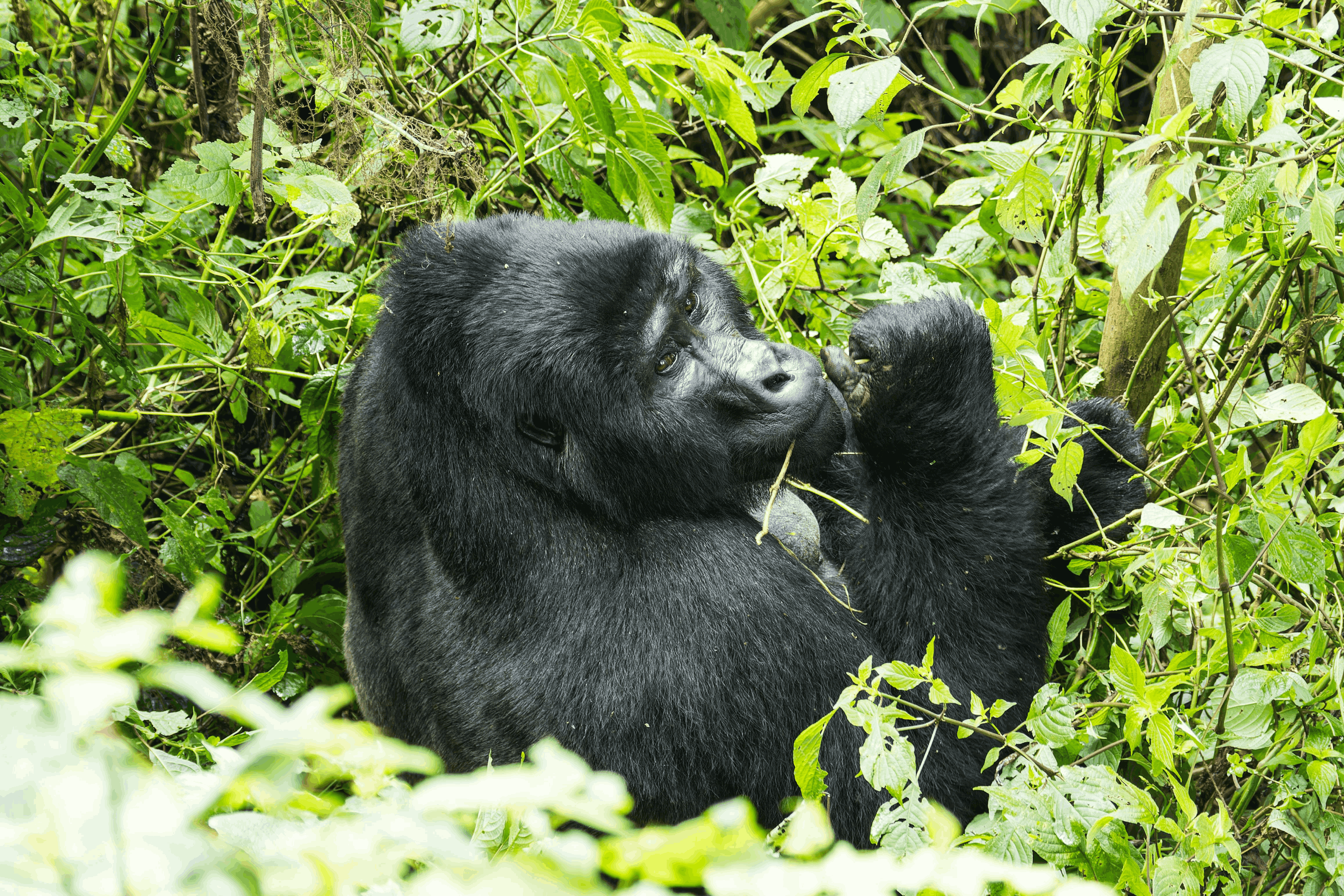
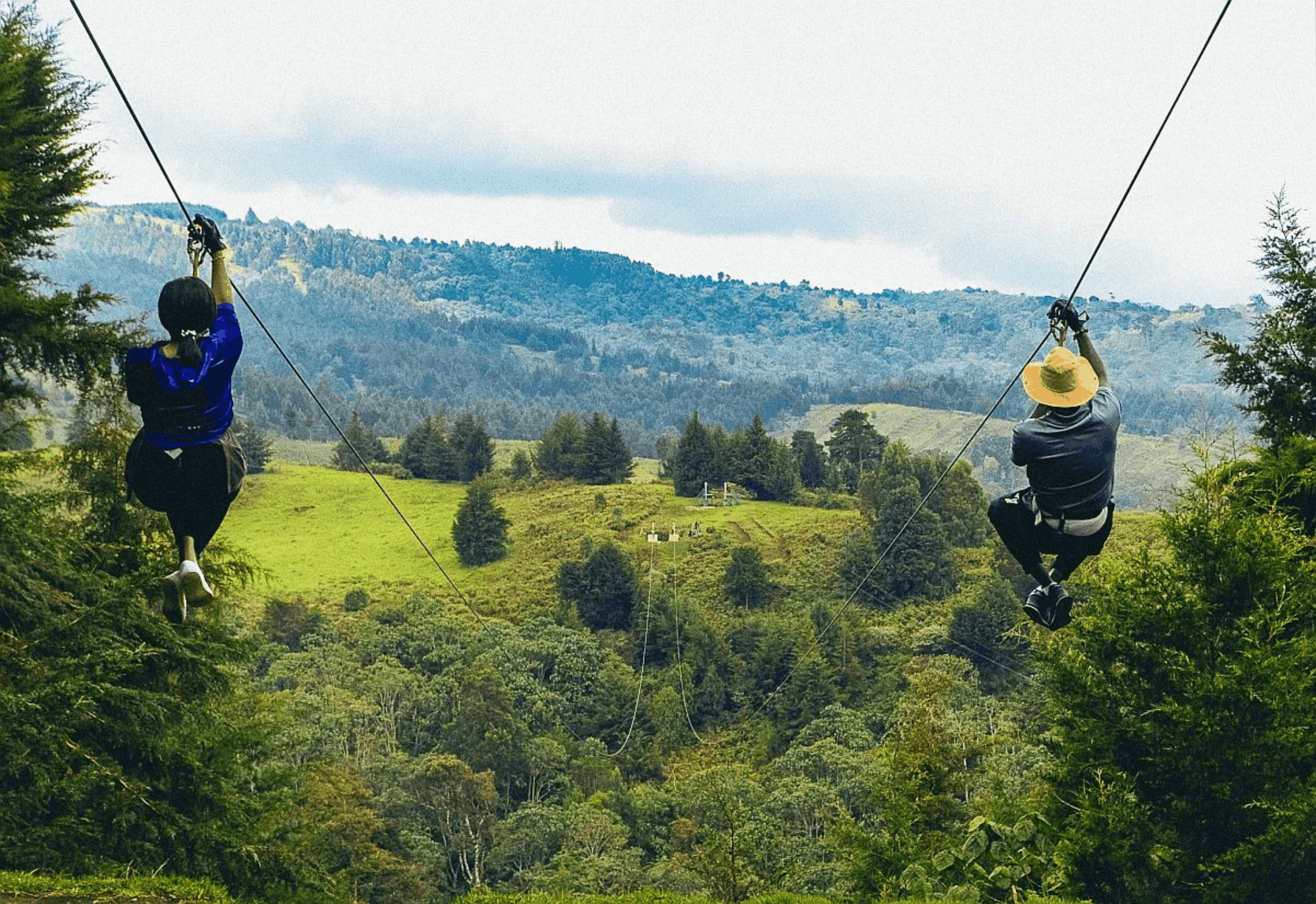
• Safari tours in Maasai Mara, Amboseli, and Tsavo • Hot air balloon rides over the savannah • Cultural visits to Maasai and other local communities • Hiking and trekking Mount Kenya • Coastal beach and water sports in Mombasa and Diani • Birdwatching and lake excursions
Kenya is one of the cradles of humankind, with archaeological sites such as Lake Turkana providing evidence of early human evolution. Indigenous tribes such as the Maasai, Kikuyu, Luo, and Kalenjin have preserved centuries-old customs, rituals, and oral histories that continue to influence Kenya’s identity today. The coastal regions were shaped by Arab and Indian traders, introducing Islam, architecture, and cuisine that remain vibrant along the Swahili Coast. European colonization by the British brought new governance systems, infrastructure, and educational institutions, culminating in Kenya’s independence in 1963.
Post-independence Kenya developed a rich tapestry of culture blending traditional practices and modern influences. Music, dance, art, and storytelling remain central to Kenyan life, with contemporary urban culture embracing hip-hop, Afro-fusion, and pop music alongside traditional drumming and ceremonial dances. Festivals like the Lamu Cultural Festival and Nairobi Film Festival allow travelers to experience Kenya’s artistic creativity, heritage, and hospitality firsthand.
Tourism also celebrates Kenya’s connection to the natural world. Community-based conservation projects and eco-tourism initiatives give visitors opportunities to engage with local traditions while supporting wildlife protection. Travelers can interact with Maasai herders, sample traditional foods such as ugali and nyama choma, and attend local markets, creating an immersive cultural experience that ties together history, tradition, and modern Kenya.
Kenya uses the Kenyan Shilling (KES). ATMs are common in cities and tourist destinations, and most accept international cards. Major hotels, restaurants, and shops accept credit cards, but cash is preferred in rural areas and local markets. Currency exchange offices, banks, and airports provide safe services. US dollars are sometimes accepted in tourist areas but carrying local currency is advisable.
Kenya’s cuisine celebrates the country’s agricultural bounty and cultural diversity. From grilled meats to hearty stews and freshly baked bread, each dish tells a story of local traditions and community life. Enjoying Kenyan food is an integral part of the safari and city experience alike. Nyama Choma – Grilled meat, often goat or beef, served with accompaniments.
- Ugali – Cornmeal porridge, a staple food often served with vegetables or meat.
- Sukuma Wiki – Sautéed collard greens, commonly served with ugali.
- Mandazi – Fried dough snack, enjoyed for breakfast or tea.
- Chapati – Flatbread served with stews or vegetables.
- Githeri – Mix of maize and beans, sometimes with vegetables or meat.
- Tilapia Fry – Fresh fish from lakes, pan-fried and spiced.
Kenya FAQs
Do I need a visa to travel to Kenya? Most visitors require an e-visa or visa on arrival, depending on nationality. Check online or with the nearest Kenyan embassy for the most up-to-date entry requirements.
Do I need to purchase travel insurance before travelling? Yes. Travel insurance is essential for medical emergencies, safari incidents, lost luggage, and trip cancellations.
Is tipping customary in Kenya? Yes. It is customary to tip restaurant staff, guides, and drivers. Safari guides typically receive a tip at the end of the tour.
Can I drink the water in Kenya? It is recommended to drink bottled or filtered water, especially in rural areas or during safaris. Tap water in major cities may be treated but still varies in taste.
What is the internet access like in Kenya? Wi-Fi is widely available in cities, lodges, and hotels. Coverage in rural areas and national parks may be limited or slower.
Can I use my mobile in Kenya? Mobile networks are reliable in urban and tourist areas. Local SIM cards are recommended for cheaper data and calls.
How do I stay safe and healthy while travelling? Kenya is generally safe, but travelers should take precautions in urban areas and during wildlife excursions. Use reputable safari operators, stay hydrated, and follow vaccination and health guidelines.
Are trips accessible for travelers with disabilities? Accessibility varies. Modern hotels and some national parks have accessible facilities, but remote safari lodges and rural areas may have limited accessibility. Notify your tour provider in advance.