
Jordan Group Tours
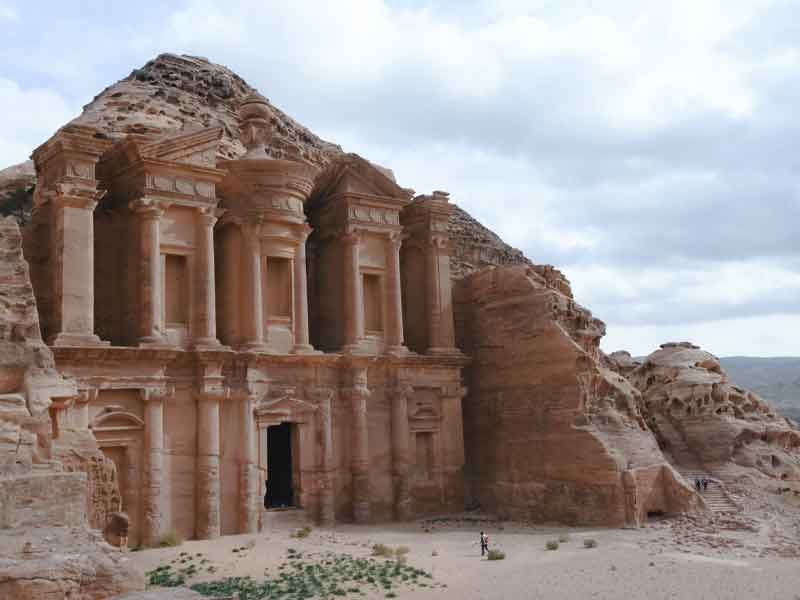
Jordan is a country of ancient wonders, dramatic desert landscapes, and vibrant culture. Visitors can marvel at Petra, the rose-red city carved into sandstone cliffs by the Nabataeans, and wander Roman ruins in Jerash. Wadi Rum offers surreal desert vistas, jeep tours, and Bedouin-style camping under star-studded skies. The Dead Sea, the lowest point on Earth, offers unique floating experiences, while the mountainous landscapes of Dana and Ajloun provide hiking and eco-tourism adventures. Amman combines historic citadels, bustling souks, and modern cafes, creating a city that bridges tradition and contemporary life.
Jordan’s appeal extends beyond its famous sites. Adventure seekers can trek through deserts and mountains, while cultural enthusiasts explore local markets, taste authentic Jordanian cuisine, and visit religious landmarks including Mount Nebo and Madaba. Eco-tourism and community-based travel initiatives allow visitors to connect with local traditions while exploring the country’s natural and cultural diversity.
Jordan at a glance
Amman
11 million
Jordanian Dinar (JOD)
Arabic
+962
Type C, D, F, G & J
GMT +2
Our Jordan tours and holidays
Learn more about Jordan
Jordan has a predominantly desert climate with hot summers and mild winters. Temperatures vary depending on elevation, with cooler weather in highland areas.
The best time to visit Jordan is during spring (March to May) and autumn (September to November), when temperatures are comfortable for exploring archaeological sites such as Petra, desert landscapes in Wadi Rum, and the shores of the Dead Sea.
During the summer months from June to August, temperatures in desert regions can exceed 40°C, while winters between December and February can be cool with occasional rain in northern areas.
5–10 days
Jordan provides cultural, historical, and adventure travel opportunities.
• Guided tours of Petra and Jerash • Dead Sea spa and floating experiences • Wadi Rum desert jeep tours and camping • Amman city walking tours • Hiking and nature excursions in Dana Biosphere Reserve • River Jordan and religious pilgrimage tours
Jordan has been a crossroads of civilizations for thousands of years. The Nabataeans built Petra as a trading hub, leaving behind stunning architecture that continues to captivate visitors. Romans, Byzantines, and Ottomans influenced cities, trade, and architecture throughout the region. Islamic and Bedouin traditions shaped daily life, art, and social structures, creating a rich cultural mosaic that endures today. Ancient trade routes, religious sites, and archaeological treasures provide a glimpse into the historical importance of the region.
Modern Jordanian culture blends ancient heritage with contemporary life. Bedouin hospitality, music, and dance coexist with urban lifestyle and modern cuisine. Festivals, traditional crafts, and local markets immerse travelers in living traditions, while guided tours and cultural programs help visitors understand the country’s past and present. Visitors can sample Mansaf, witness folkloric performances, and engage with local artisans, creating authentic cultural connections.
Tourism in Jordan is deeply linked to its history and geography. Desert landscapes, archaeological sites, and historic cities are complemented by modern infrastructure and local hospitality. From desert camping and hiking to visiting museums and markets, travelers experience a dynamic interplay of adventure, culture, and historical discovery that makes Jordan a uniquely captivating destination.
Jordan uses the Jordanian Dinar (JOD). ATMs are widely available in major cities like Amman and Aqaba, and most accept international cards. Credit cards are accepted in hotels, restaurants, and larger stores, but cash is preferred in markets, taxis, and rural areas. Currency exchange is available at banks and licensed bureaus.
Jordanian food is a warm reflection of its desert and Mediterranean heritage, with dishes that bring families and communities together. Traditional recipes use lamb, yogurt, grains, and fresh herbs, offering a flavorful and authentic taste of local life. Tasting Jordanian cuisine is a highlight of any visit. Mansaf – Jordan’s national dish: lamb cooked in fermented yogurt and served with rice and almonds.
- Maqluba – Upside-down rice, meat, and vegetable casserole.
- Falafel – Deep-fried chickpea balls, served with tahini or salad.
- Kanafeh – Sweet cheese pastry soaked in syrup, a popular dessert.
- Hummus and Baba Ganoush – Classic mezze dishes made from chickpeas and roasted eggplant.
- Shawarma – Spiced meat, often lamb or chicken, wrapped in flatbread with vegetables.
- Zarb – Bedouin-style meat and vegetable barbecue cooked underground in the desert.
Jordan FAQs
Do I need a visa to travel to Jordan? Most visitors require a visa, which can often be obtained on arrival or online depending on nationality. Check current rules before travelling.
Do I need to purchase travel insurance before travelling? Yes. Insurance is recommended to cover medical emergencies, lost luggage, trip cancellations, and travel disruptions.
Is tipping customary in Jordan? Yes. Tipping is appreciated in restaurants, hotels, and for guides, usually 5–10% of the bill.
Can I drink the water in Jordan? Tap water is generally safe in urban areas, but bottled water is recommended in smaller towns or remote regions.
What is the internet access like in Jordan? Wi-Fi is widely available in hotels, cafes, and public spaces. Speeds may vary in rural areas.
Can I use my mobile in Jordan? Yes. Coverage is reliable; local SIM cards are recommended for data and calls.
How do I stay safe and healthy while travelling? Jordan is generally safe. Be cautious in crowded areas and follow travel advisories. Stay hydrated and use sun protection in desert regions.
Are trips accessible for travelers with disabilities? Accessibility is improving but limited at historical sites. Notify your provider to accommodate your needs.