
Ghana Group Tours
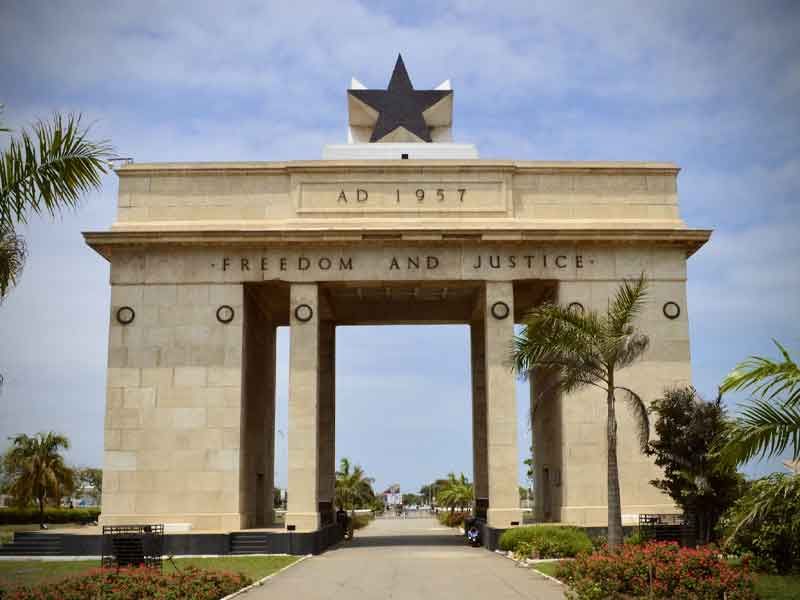
Ghana is a culturally rich and welcoming West African country known for its historical significance and vibrant lifestyle. Visitors can tour the UNESCO-listed castles of Cape Coast and Elmina, which serve as powerful reminders of the transatlantic slave trade. Accra offers a mix of modern attractions, bustling markets, and lively nightlife, while Kumasi presents a deep dive into Ashanti culture, traditions, and crafts. Ghana’s landscapes range from palm-lined beaches to forest reserves and savannahs, providing diverse opportunities for wildlife safaris, hiking, and eco-tourism.
The country’s tourism focuses on heritage, nature, and local experiences. Travelers can enjoy festivals such as Homowo and Panafest, explore national parks like Kakum with its canopy walk, or relax on beaches such as Busua and Labadi. Local cuisine, music, and arts create immersive experiences, while community-based tourism projects allow visitors to engage directly with Ghanaian traditions, crafts, and village life.
Ghana at a glance
Accra
34 million
Ghanaian Cedi (GHS)
English
+233
Type D & G
GMT
Our Ghana tours and holidays
Learn more about Ghana
Ghana experiences a tropical climate with warm temperatures throughout the year and distinct wet and dry seasons. Average temperatures range between 24°C and 32°C, with coastal breezes providing relief from the heat.
The dry season from November to March is generally considered the best time to visit, when rainfall is minimal and conditions are ideal for exploring coastal towns, historic forts, and national parks. During this period, the Harmattan winds from the Sahara can bring dry air and slightly cooler evenings.
The rainy seasons occur from April to June and September to October, bringing heavier rainfall that can affect travel in rural areas. However, these months also bring lush landscapes and fewer crowds, making them appealing for travelers seeking a quieter experience.
7–10 days
Ghana offers cultural immersion, historical exploration, and nature experiences.
• Guided tours of Cape Coast and Elmina castles • National park wildlife safaris • Cultural village and craft visits • Coastal beach trips • Traditional music and dance performances • Hiking and nature excursions
Ghana has a rich history shaped by powerful kingdoms such as the Ashanti, the Fante, and the Ga. Coastal trade with Europeans from the 15th century onward brought wealth but also the tragedy of the transatlantic slave trade. Ghana became the first sub-Saharan African country to gain independence in 1957, led by Kwame Nkrumah, marking a historic milestone in Africa’s modern history. The country has maintained a strong sense of national identity while celebrating regional and ethnic diversity.
Cultural expression in Ghana is vibrant and multifaceted. Music and dance, such as highlife, hiplife, and traditional drumming, are central to life, alongside festivals, storytelling, and artistic crafts like kente weaving and wood carving. Visitors can participate in local ceremonies, watch traditional performances, and explore markets to experience Ghanaian heritage firsthand.
Ghanaian tourism emphasizes cultural immersion and connection with nature. Eco-tourism initiatives, craft villages, and wildlife reserves provide authentic experiences. Visitors can interact with local artisans, enjoy traditional cuisine, and explore historical landmarks, creating a rich, multi-layered journey that connects past, present, and natural beauty.
Ghana uses the Ghanaian Cedi (GHS) as its currency. ATMs are widely available in major cities, towns, and tourist areas, and most accept international debit and credit cards. Major hotels, restaurants, and shops in urban centers accept Visa and Mastercard, but smaller establishments, local markets, and rural areas operate primarily in cash. Currency exchange offices and banks offer competitive rates, and it’s advisable to carry some small notes for tipping, transport, and street vendors.
- Jollof Rice – Spiced rice cooked with tomatoes, peppers, and onions, often served with meat or fish.
- Fufu – Mashed starchy food, typically served with soup or stew.
- Kelewele – Spicy fried plantains, a popular street snack.
- Banku and Tilapia – Fermented corn and cassava dough served with grilled fish and pepper sauce.
- Waakye – Rice and beans cooked together, served with meat, eggs, or fried fish.
Ghana FAQs
Do I need a visa to travel to Ghana? Yes. Most travelers are required to obtain a visa before arrival in Ghana. You’ll also typically need a valid passport (with at least six months’ validity), proof of accommodation, and a return or onward ticket. It’s best to check with the nearest Ghanaian embassy for the latest requirements based on your nationality.
Do I need to purchase travel insurance before travelling? Yes. Travel insurance is strongly recommended to cover medical expenses, trip cancellations, lost luggage, and unexpected emergencies during your trip.
Is tipping customary in Ghana? Yes. Tipping is appreciated in Ghana, especially in restaurants, hotels, and for guides or drivers. A tip of around 5–10% is common for good service.
Can I drink the water in Ghana? No. Tap water is not considered safe to drink. It’s recommended to stick to bottled or filtered water throughout your stay.
What is the internet access like in Ghana? Internet access is available in major cities like Accra and Kumasi, with Wi-Fi in hotels, cafes, and restaurants. However, speeds may vary, and connectivity can be less reliable in rural areas.
Can I use my mobile in Ghana? Yes. Mobile coverage is generally good in urban areas. Visitors can use international roaming or purchase a local SIM card for more affordable data and calls.
How do I stay safe and healthy while travelling? Ghana is considered one of the safer countries in West Africa. Take standard precautions such as safeguarding valuables, avoiding isolated areas at night, and staying aware of your surroundings. It’s also recommended to consult your doctor about vaccinations before travel.
Are Soca Islands trips accessible for travelers with disabilities? Accessibility in Ghana is limited compared to more developed destinations. Some hotels and modern facilities may offer basic accessibility, but infrastructure can be challenging. It’s best to confirm arrangements in advance.